
Last updated November 15, 2026
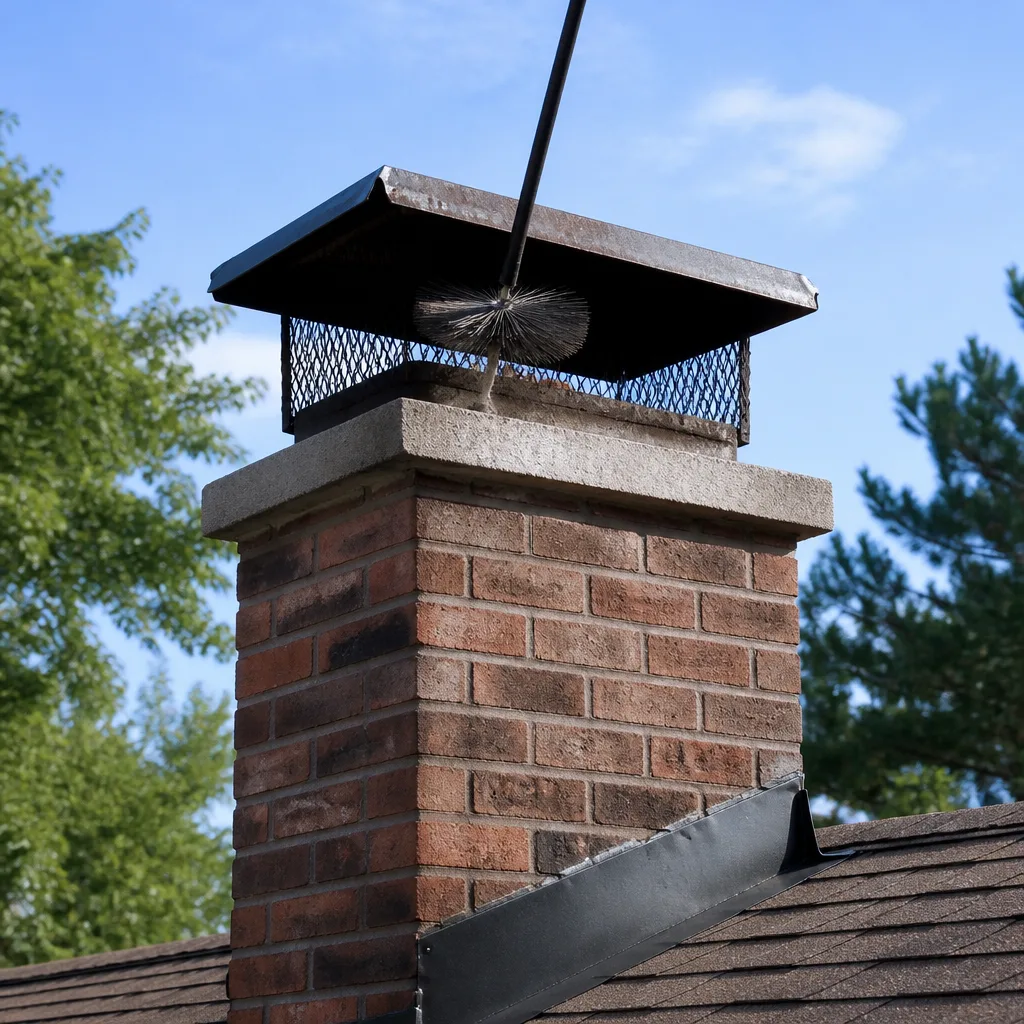 Sweep & inspection
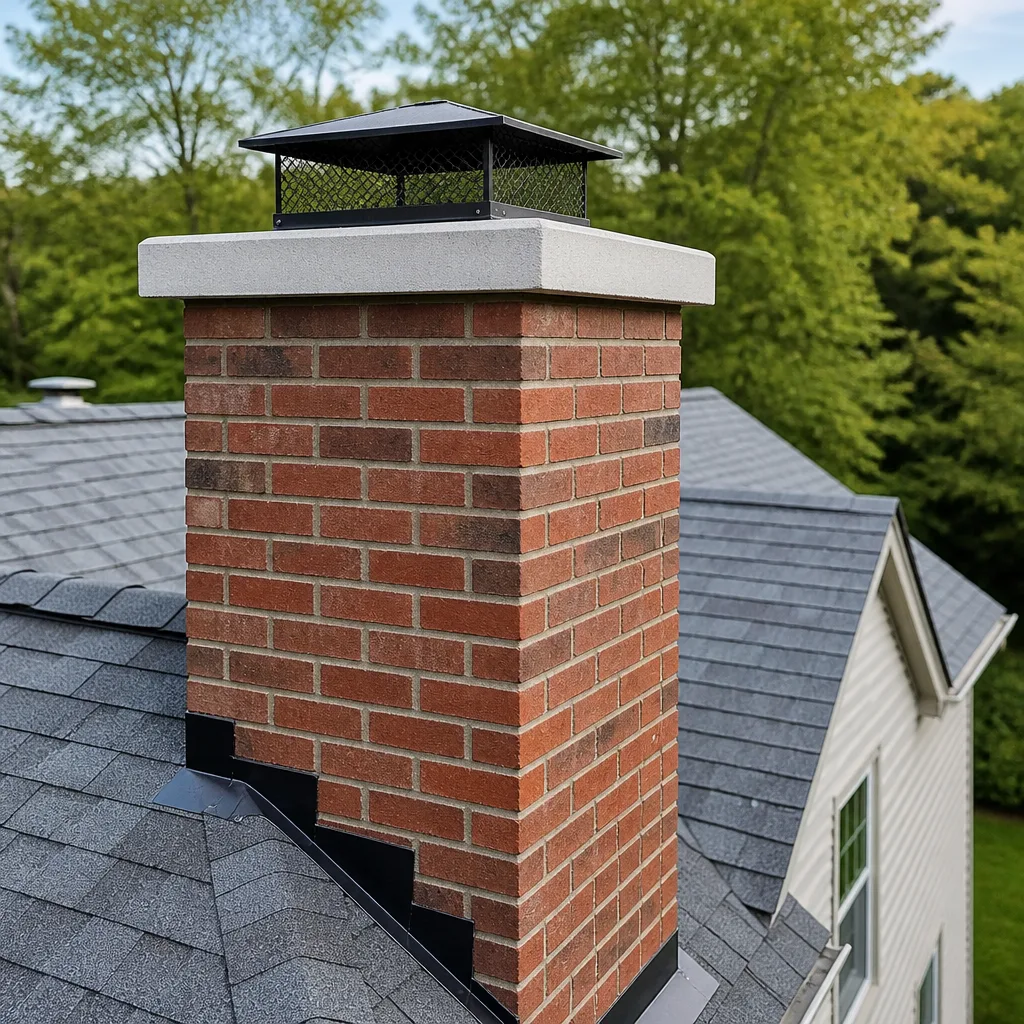 Caps & crowns
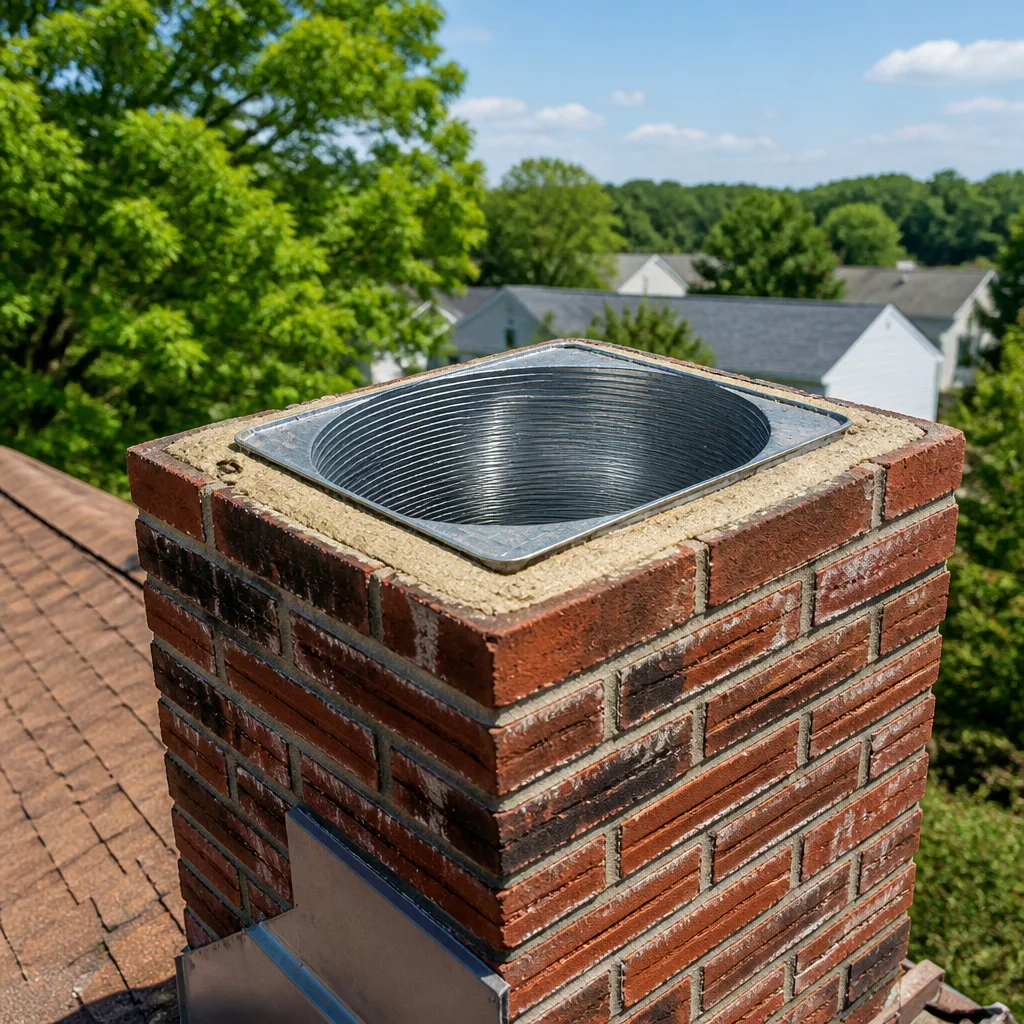 Flue relining
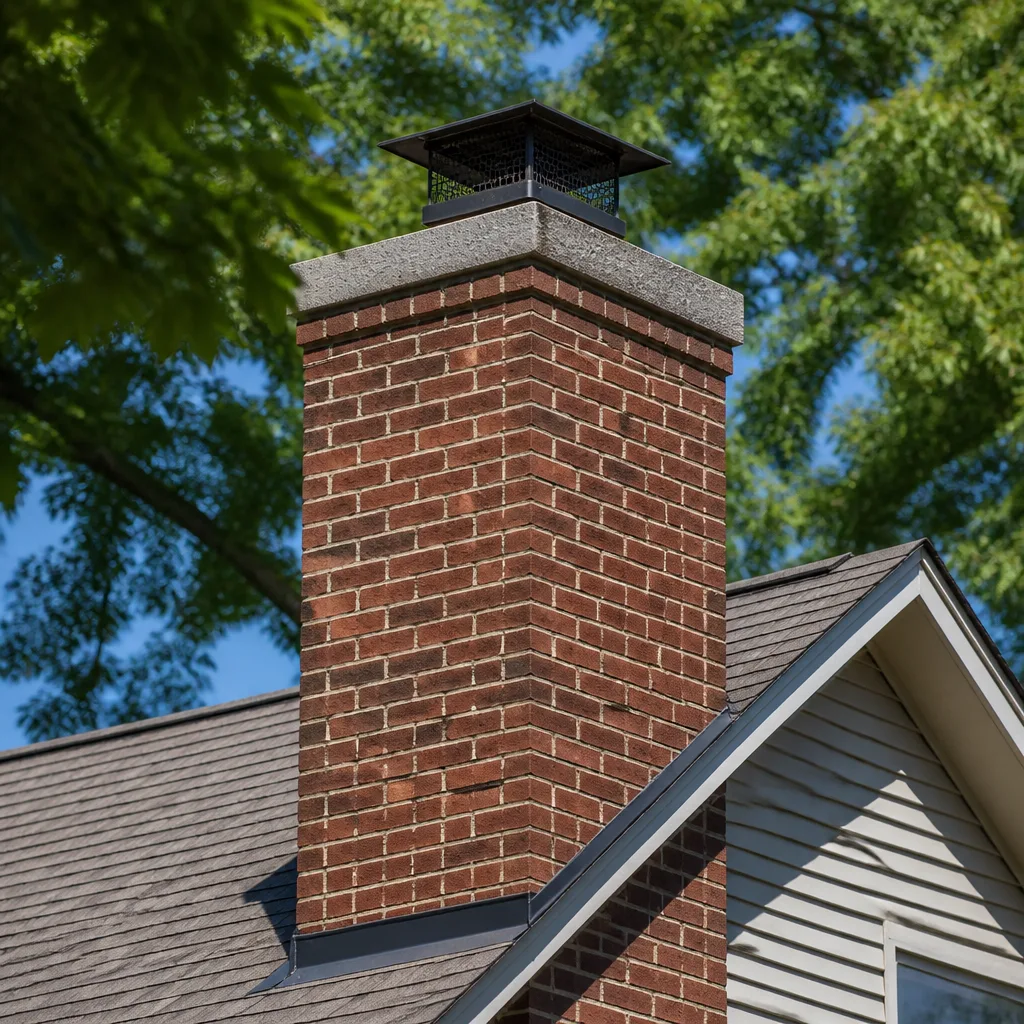 Masonry repair
 Gas fireplace service
Level 1 sweep and inspection to the NFPA 211 annual standard - flue, crown, cap, and flashing checked and photographed
Chimney sweep logs do not sweep chimneys. They loosen some creosote - which then falls where a brush and vacuum still have to collect it.
Chimney Cleaning Permits, Codes & Inspections in Suffolk, VA: What You Need to Know
Here’s the part that surprises most Suffolk homeowners: the cleaning itself is permit-free. You can have your flue swept every year for the life of the house and never pull a single permit. But the work a sweep often turns up underneath the soot – a cracked liner, a firebox with failing mortar joints, a chase that was never built to code – is a different story. That kind of work runs into the Virginia Uniform Statewide Building Code, and the contractor who quietly skips the permit is handing you a problem you won’t discover until you sell the house or file a claim. This guide draws the line clearly between routine maintenance and permitted work in Suffolk, explains how local enforcement handles chimney permits, and shows you how to get documentation that the job was done to standard.
Quick Answer
In Suffolk, Virginia, chimney sweeping and inspection are routine maintenance and don’t require a permit. Chimney repairs that alter the structure or system – relining a flue, rebuilding a firebox, replacing a chimney above the roofline, installing a new appliance and its venting – generally do require a building permit under the Virginia Uniform Statewide Building Code, and the work must meet NFPA 211 standards. Inspection is the step that tells you which category you’re actually in.
Styles & brands we work with
- Sweep & inspection
- Caps & crowns
- Flue relining
- Masonry repair
- Gas fireplace service
Table of Contents
- Permit or No Permit: Where the Line Falls in Virginia
- NFPA 211: The Standard Behind the Code
- How Suffolk Handles Chimney Permits and Inspections
- Insurance Claims and Real Estate Disclosure
- How to Get Documentation That the Work Was Done Right
- What a Chimney Inspection Actually Involves
- Suffolk’s Housing and Climate: Why Chimneys Here Age the Way They Do
Permit or No Permit: Where the Line Falls in Virginia
The Virginia Uniform Statewide Building Code governs construction and alteration of structures across the state, and individual localities administer it through their own building departments. The code draws a distinction between maintenance – keeping something working as it was built – and alteration, which changes the structure or its systems. Chimney work splits cleanly along that line.
Work that is routine maintenance and generally does not require a permit:
- Sweeping the flue to remove creosote, soot, and debris
- Level 1, 2, or 3 chimney inspections
- Replacing a chimney cap or chase cover like-for-like
- Minor mortar touch-up on the crown or at the flashing line
- Removing a bird or animal nest from the flue
- Installing a top-sealing damper in many cases (check with the local office)
Work that generally does require a building permit:
- Installing a new stainless liner or relining an existing flue
- Rebuilding a firebox or firebox floor
- Reconstructing a chimney above the roofline
- Installing a wood stove, insert, or new appliance with its venting
- Changing the flue’s route, size, or termination point
- Structural repair to the chimney chase or its footing
That list is a general guide, not a substitute for a ruling. The safest move before any repair is a phone call to the city’s building department with the specific scope in hand. The answer takes a few minutes and settles the question. What we see repeatedly is that the repairs a cleaning uncovers – a failed liner being the big one – are the exact items that cross from maintenance into permitted alteration. That’s why we inspect before we recommend anything, so you know which bucket your chimney is in before work starts.
NFPA 211: The Standard Behind the Code
NFPA 211, the Standard for Chimneys, Fireplaces, Vents, and Solid Fuel-Burning Appliances, is the national standard that Virginia’s building code leans on for chimney system requirements. Building inspectors and code officials reference it because the state code itself doesn’t try to restate every clearance dimension and construction detail. When a chimney permit is pulled and an inspector comes out, NFPA 211 is largely what’s being checked against.
The two areas homeowners hear about most are liner clearances and firebox construction.
- Liner clearances: A flue liner has to maintain separation from combustible materials in the surrounding structure. In older Suffolk homes, that clearance is frequently missing – framing was set tight against the chimney mass, or a previous liner was installed without regard to the interior dimensions of the flue. An insulated stainless liner addresses this because the insulation creates the required separation without enlarging the chimney.
- Firebox construction: The firebox has to be built from masonry or listed materials of an appropriate thickness, with the correct relationship between the firebox opening, the smoke chamber, and the flue. A firebox that’s been patched with the wrong material, or one that was resized at some point, can fail inspection even if it looks fine to the eye.
NFPA 211 also sets the clearances at the roof and the height requirements for the flue termination, which is why a chimney that “works fine” can still be flagged when a selling inspection happens. If your flue has deteriorating mortar joints but the liner is otherwise sound, HeatShield is a restoration product that resists further breakdown of the joint without a full reline in some cases – the kind of middle path a sweep-only operator can’t offer. Where the flue is in worse shape or has an offset the original builder put in, a flexible DuraFlex liner system can navigate a route that a rigid liner can’t. The standard doesn’t care which product you use; it cares that the finished system meets the clearances and construction requirements.
How Suffolk Handles Chimney Permits and Inspections
Suffolk’s code enforcement is handled through the city’s building department, which processes permit applications and schedules inspections for construction within the city limits and the surrounding unincorporated areas. Practically, a chimney permit application follows the same path as any other residential trade permit: the contractor submits the scope, a plan or description of the work, and the applicable fees, and the permit is issued before work begins. Fees are set by the city’s published schedule and vary with the scope of work.
What a Suffolk inspector typically looks at during a chimney inspection depends on the permit:
- Rough-in inspection. Before the flue is enclosed or the appliance is connected, the inspector verifies the liner installation, its clearances to combustibles, and the venting arrangement.
- Firebox and smoke chamber. For firebox rebuilds, masonry thickness and the transition into the smoke chamber are checked against the standard.
- Exterior and termination. For reconstruction above the roof, the inspector confirms the flue height above the roofline, the cap configuration, and the flashing.
- Final inspection. Once the system is complete, the final walk-through confirms the appliance is installed and the documentation is in order.
A properly permitted job ends with an inspection record on file with the city. That record matters later, when an insurance adjuster or a buyer’s inspector asks for proof. If you’ve had work done in Suffolk and aren’t sure a permit was pulled, you can ask the building department to pull the permit history for the address – the record is public. We recommend doing that before listing a house, not after.
Insurance Claims and Real Estate Disclosure
This is where unpermitted chimney repairs turn into real money. When a chimney fire or a carbon monoxide event triggers a homeowner’s insurance claim, the adjuster is looking at the cause. If the failure traces back to work that wasn’t permitted and wasn’t inspected, the insurer can dispute the claim on the grounds that the work wasn’t done to code. Insurers don’t reconstruct what never happened – if the file shows no permit and no inspection on a reline that was done two owners ago, that’s a gap in the record, and it’s the homeowner holding it.
Virginia’s residential property disclosure requirements are the other pressure point. A seller is obligated to disclose known defects in the property, and a chimney system that’s been altered without a permit is a fact a seller may need to disclose. A buyer’s inspector will look for permit history. So will a lender’s appraiser in some cases. The deal doesn’t necessarily fall apart, but you end up negotiating from a weaker position than you’d like.
What we suggest to Suffolk homeowners who’ve bought a house with an unknown repair history: have the chimney inspected before the issue comes up. A Level 2 inspection tells you what’s actually in the flue compared to what the paperwork says, and that difference is the thing you want to know while you still have options. We can work with your insurer if a claim becomes necessary, and the inspection report is the evidence they’ll want anyway.
How to Get Documentation That the Work Was Done Right
Not every homeowner wants to pull the city into a project, and some chimney work in older houses falls into a gray area where a permit isn’t strictly required. That doesn’t mean you should accept the work without evidence. Here’s how to ask for documentation that repair work is code-compliant, whether or not a formal permit was taken out.
- Ask for a written scope of work before the job starts. The scope should name the specific components – liner brand, liner type, insulation, cap, damper – and the standard the work will be completed to. Products like an Olympia Chimney liner or a Gelco cap have published specifications, and the scope should match them.
- Ask for photos before, during, and after. The best record of what was actually inside the flue is a camera image taken before the work and a matching image after. A contractor who does the work properly will have a camera down the flue and will have images to show.
- Ask for the manufacturer’s documentation. A stainless liner comes with an installation manual and a warranty card. The manual specifies the clearances and the insulation requirements. If the installer can’t produce it, the install likely didn’t follow it.
- Ask for a final inspection report from the company, not just a verbal sign-off. A written report with images and the work completed is what you hand to a buyer’s inspector or an insurance adjuster.
- If a permit was pulled, ask for the city inspection record. That record is the strongest single piece of documentation you can hold, because it means a code official signed off on the work.
A dedicated chimney company will walk you through all five without being asked. We inspect before we recommend, and we put findings in writing. If you call us out and the answer is that a repair can safely wait another season, that’s what the report will say. See our chimney repair page for the repair work we handle, and if you need the full picture first, we offer a standalone chimney inspection.
What a Chimney Inspection Actually Involves
The National Fire Protection Association classifies inspections in three levels, and the level you need depends on what’s happening with the house.
- Level 1 inspection. The standard annual inspection that goes with a routine cleaning. The accessible portions of the chimney, the firebox, and the visible flue are examined. Choose this one when the appliance and its usage haven’t changed since the last inspection.
- Level 2 inspection. A more thorough look that includes a video scan of the flue interior, the accessible portions, and the chimney’s exterior. This is the inspection you want after a chimney fire, after an appliance change, after a repair, and before buying or selling a house.
- Level 3 inspection. The deepest look, used when a Level 2 turned up a reason to open up part of the structure. It’s rare, but it happens in older Suffolk homes where a hazard is suspected inside the chase.
The inspection is the step that tells you whether you’re looking at a cleaning and nothing more, or a repair that crosses the permit line. Our technicians have up to 12 years of experience with these inspections, and the work they do is only as good as what the camera shows – which is why the camera scan is part of what we hand you. An inspection-first methodology means you get a diagnosis before a repair quote, not the other way around. Whether or not you hire us for the repair, that diagnosis is worth having in writing before you spend a dollar.
Suffolk’s Housing and Climate: Why Chimneys Here Age the Way They Do
Suffolk sits in the low country of southeastern Virginia, west of the Chesapeake and inland from the older river towns, and its housing stock reflects it. You’ve got older farmhouses and early-20th-century homes spread out through Whaleyville and Holland, and newer construction through the Harbor View and North Suffolk areas. Each stock ages a chimney differently, and each affects the kind of code issue you’re likely to find.
The local climate adds its own thumbprint. Summers are long and humid, and that moisture swings through the masonry and the liner seams every year. Freeze-thaw cycles are milder than the mountains but still frequent enough in winter that any water that’s gotten into a mortar joint will open it up over a handful of seasons. Masonry chimneys – especially those outside the thermal envelope on an older Suffolk home – take this hardest. When we see a chimney with failing crown and open mortar joints, we’re not looking at neglect so much as ten years of that cycle doing what it does. Rubber-lining a crown and sealing the joints is maintenance, not alteration. The liner condition behind those joints is the part that decides whether you’re in maintenance work or repair work.
The other local factor is ventilation. Suffolk homes with wood inserts and stoves often have a ventilation setup that was added years after the house was built, and the resulting clearances are what a Level 2 inspection finds. If you’re not sure whether your appliance change went through a permit, that’s the question a Level 2 inspection and a permit-history pull will answer. Call Suffolk chimney professionals before that question comes up at a sale.
Common Mistakes to Avoid
- Treating the sweep as the whole job. A cleaning removes creosote but doesn’t tell you anything about the liner. The repair decision comes from the inspection, and skipping it is how a homeowner ends up blindsided at a sale.
- Letting a contractor quote a reline without showing you the camera footage. Ask to see what’s actually inside the flue. If the answer is “you’ll have to trust us,” trust is the only thing in the quote.
- Assuming the previous owner’s reline was permitted. Suffolk permit records are public. Pull the history for the address before you buy or list, and if it’s missing, treat it as an inspection prompt.
- Letting a handyman do the liner because the price looked better. Chimney work depends on materials and clearances that a generalist contractor doesn’t carry. DuraFlex, HeatShield, Olympia Chimney, and Gelco are the trade-grade names; a liner from the hardware store isn’t the same product.
- Skipping the Level 2 inspection when buying a house. The standard home inspection looks at the chimney from the outside. A Level 2 looks inside it. The difference is the thing that costs you.
- Sweeping once every few years instead of annually. Creosote accumulates the same rate whether or not you noticed anything wrong. The annual chimney sweep is the inspection. Doing it yearly catches the liner problem before it becomes a permit problem.
- Not asking for the paperwork at the end of the job. Whether or not a permit was pulled, ask for the written report and the photos. If the work was done right, that paperwork exists and is easy to produce.
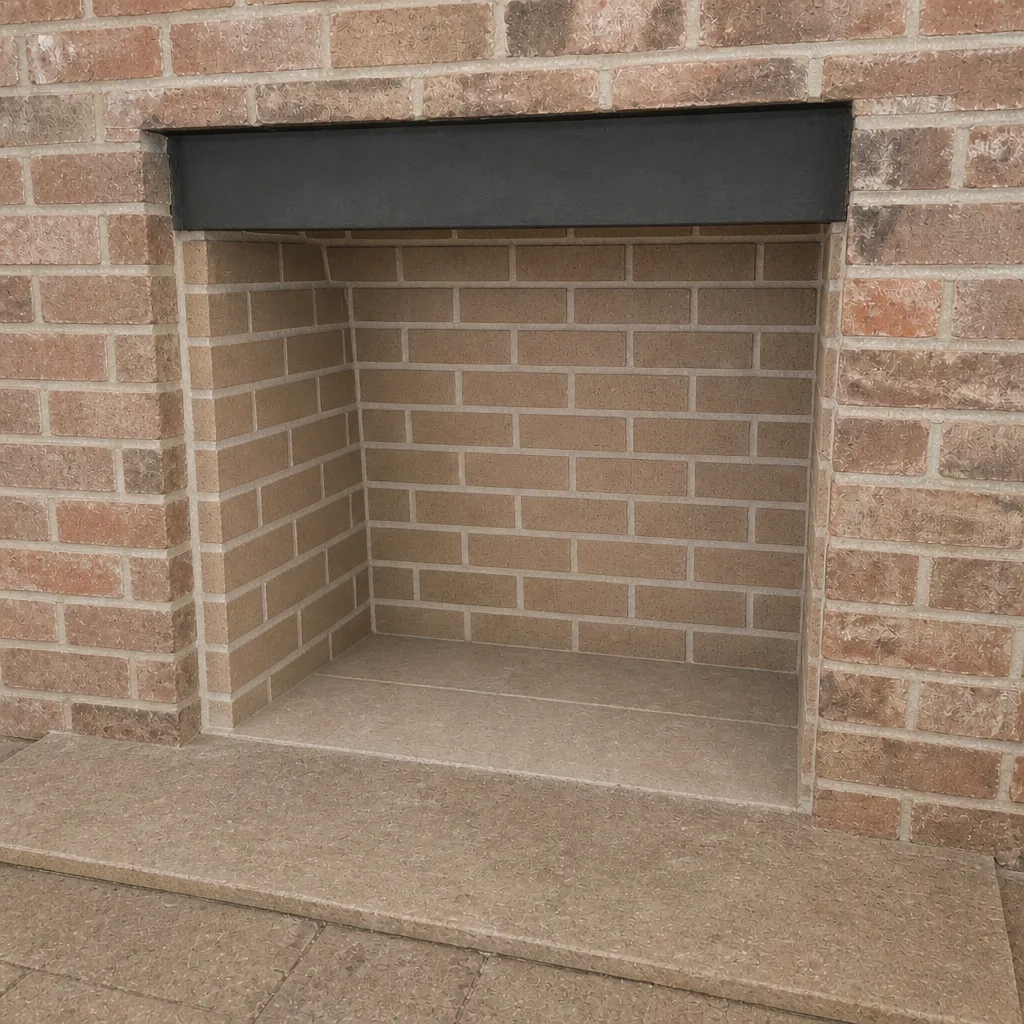
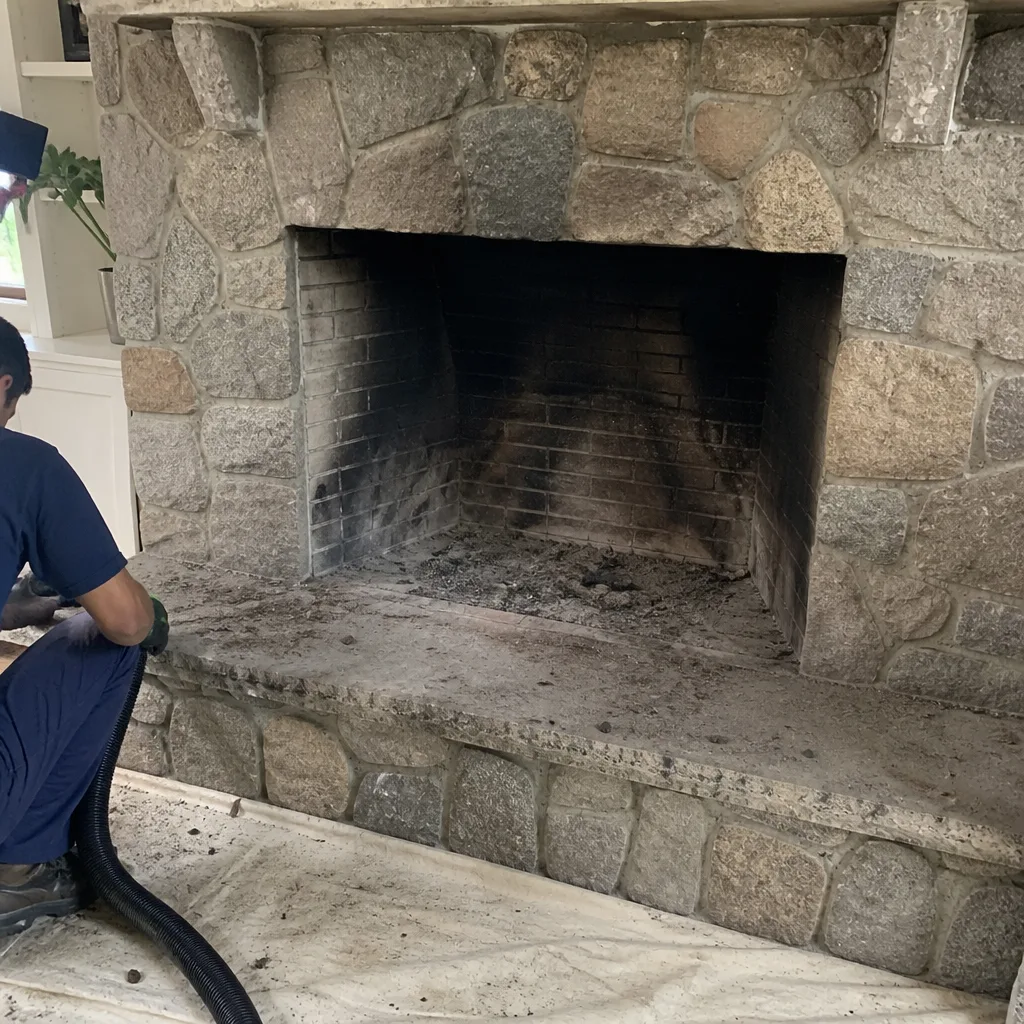
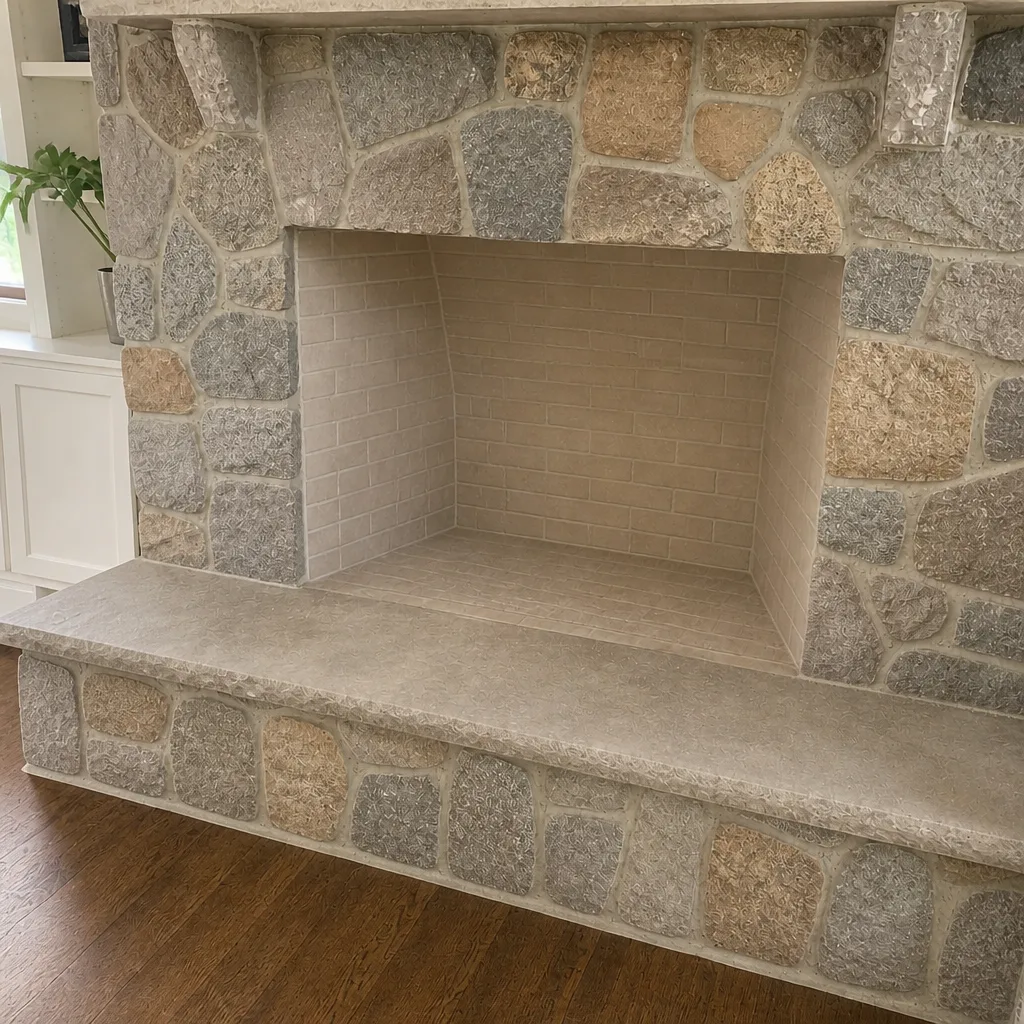
See the difference
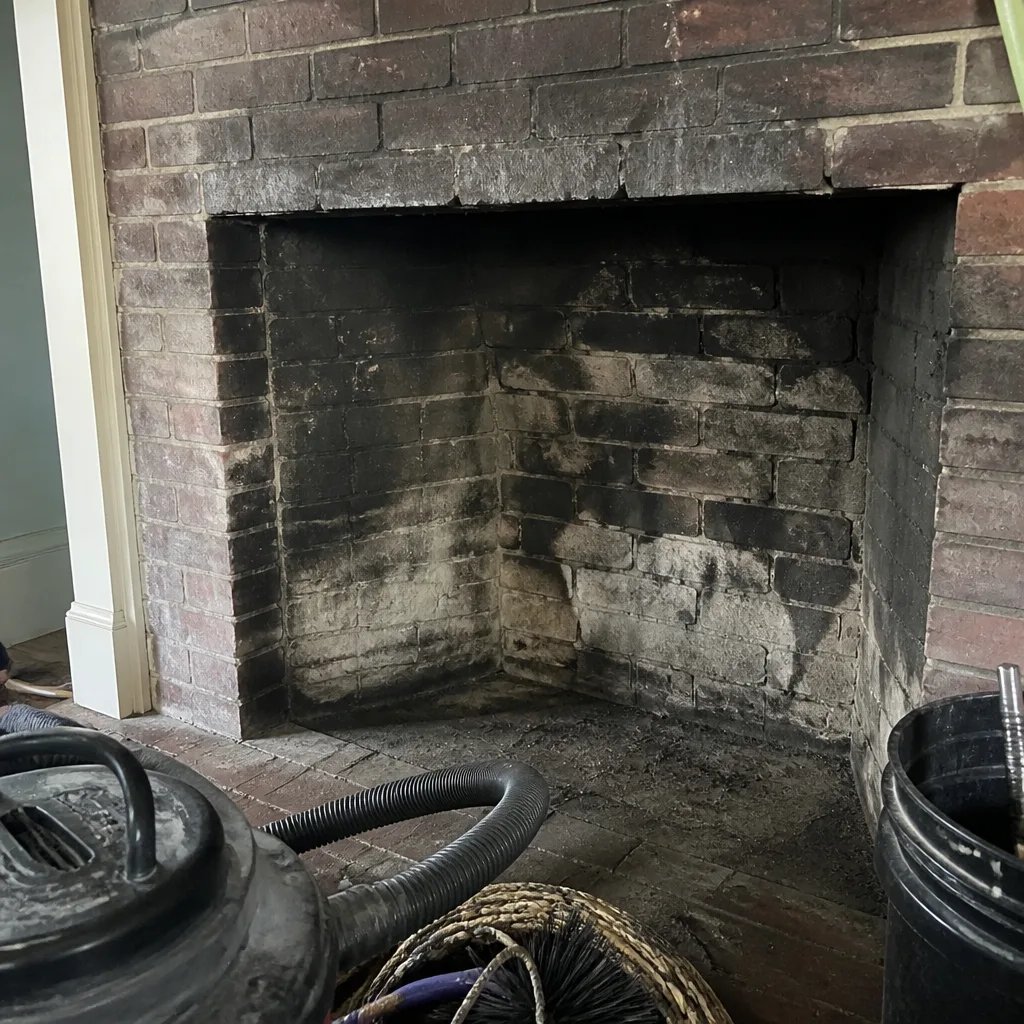 Before
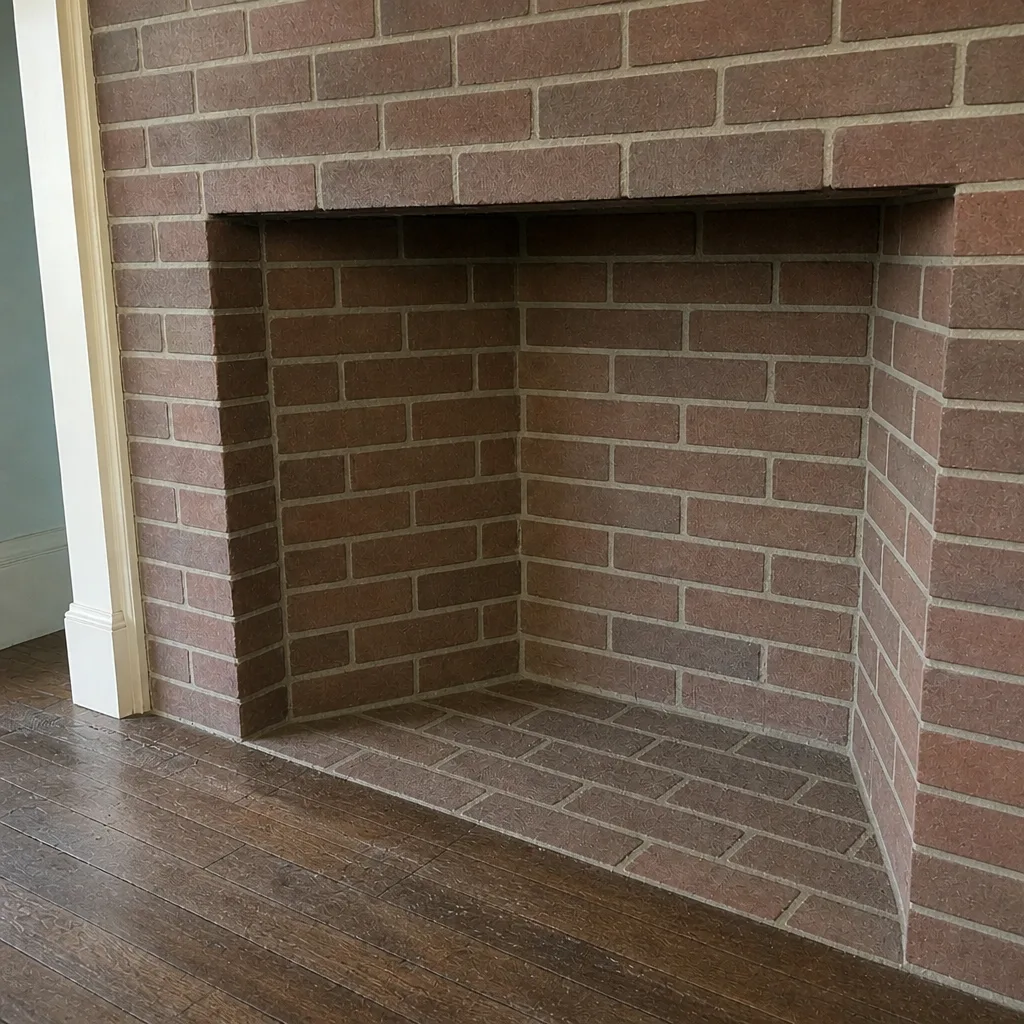 After
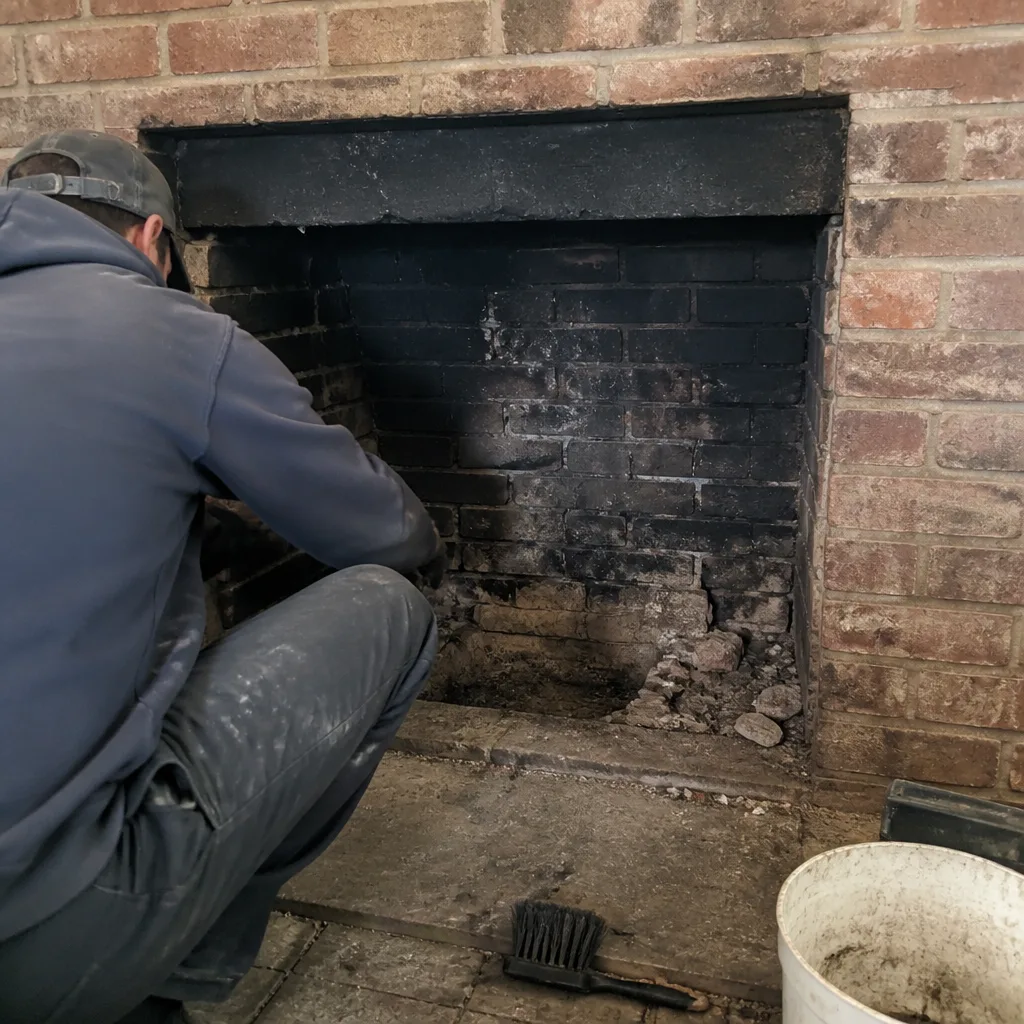 Before
 After
 Before
 After
When to Call a Professional
Some chimney decisions are safe to defer and some aren’t. Call a professional when you’ve noticed smoke rolling back into the room, when a draft that used to pull now doesn’t, when you can see cracked masonry or missing mortar at the crown, when a home inspection flagged the chimney, when you’ve had a chimney fire or a suspected one, or when you’re about to buy or sell a house and the permit history is unknown. If you’ve switched appliances, added an insert, or aren’t sure what the last owner had done, that’s a call as well. Chimney Sweep Suffolk offers free estimates in Suffolk – call (866) 361-9861. We answer 24/7. Fast dispatch from 7am to 7pm, Sunday through Friday. Our technicians have up to 12 years of experience with sweeps, inspections, and the repairs that come out of them, and the estimate you get is a written one – that’s the price the job costs.
Frequently Asked Questions
No. A routine chimney sweep is maintenance work and does not require a building permit in Suffolk or anywhere else in Virginia. If the sweep turns up a repair – a failed liner, a firebox that needs rebuilding, a chimney that has to be reconstructed above the roofline – that’s when the permit question comes up. Call (866) 361-9861 for a free estimate on a sweep or an inspection.
In most cases, yes. Installing a new flue liner or relining an existing one is an alteration to the chimney system, which falls under the Virginia Uniform Statewide Building Code and requires a permit through your local building department. The specifics depend on the scope, so confirm the ruling with the city before work begins. A properly permitted reline ends with an inspection record on file – which is the documentation a buyer or an adjuster will want later. Call (866) 361-9861 to schedule an inspection that tells you whether relining is actually necessary.
NFPA 211 is the national standard for chimneys, fireplaces, vents, and solid fuel appliances, and it’s what Virginia’s building code references for chimney system requirements. It sets the clearances a flue liner has to maintain from combustible materials, the construction requirements for a firebox, the height of the flue termination relative to the roofline, and a great deal more. When a Suffolk inspector signs off on a chimney permit, NFPA 211 is largely what’s being checked against. If you’re unsure whether your chimney meets the standard, a Level 2 inspection is the fastest way to find out – call (866) 361-9861.
Because the paperwork trail is the evidence. If a chimney fire or a carbon monoxide event triggers a claim, an insurer is going to look at whether the work on the chimney was permitted and inspected – and if it wasn’t, the claim can be disputed on the grounds that the work wasn’t done to code. On the selling side, Virginia’s residential property disclosure requirements mean a known chimney defect has to be disclosed, and a buyer’s inspector will pull the permit history anyway. Having the record in place before you list is far easier than explaining its absence. Call (866) 361-9861 for a Level 2 inspection if the history on your house is unknown.
Ask for four things in writing: the scope of work with the specific brand and product named, before/during/after photos from inside the flue, the manufacturer’s installation manual and warranty documentation, and a written final report from the company. A dedicated chimney contractor will have all four without being asked. Trade-grade materials – DuraFlex liners, HeatShield joint restoration, Olympia Chimney components, Gelco caps – each come with published specifications the work has to match. If the contractor can’t produce the documentation, treat the work as unverified. Call (866) 361-9861 to have an existing install reviewed.
Once a year for homes with an active wood-burning fireplace, insert, or stove, and the sweep should come with a Level 1 inspection built in. The annual cadence matters more than the specific month – creosote accumulates at the same rate regardless of when you schedule. If the appliance has changed, if there’s been a chimney fire, or if you’re buying or selling, move up to a Level 2 inspection that includes a video scan of the flue. Call (866) 361-9861 to book a sweep and inspection.
The Bottom Line
The permit question in Suffolk comes down to a simple split: cleaning and inspection are maintenance and need no permit; repairs that alter the chimney system fall under the Virginia Uniform Statewide Building Code and generally do. The step that protects you either way is the inspection – it tells you which bucket you’re in, in writing, before anyone touches the flue. Ask for the camera footage, ask for the written scope, ask for the manufacturer’s documentation, and pull the permit history if you’re unsure. Trade-grade materials and a contractor who inspects before recommending anything are the two habits that keep a chimney out of trouble. Chimney Sweep Suffolk handles sweep, inspection, and repair under one roof, so there’s no gap between diagnosis and the fix.
If you’re not sure where your chimney stands, call Chimney Sweep Suffolk at (866) 361-9861 for a free estimate. We answer 24/7. Fast dispatch from 7am to 7pm, Sunday through Friday. The written estimate sets the price, and if the answer is that the work can wait, we’ll tell you that too.
Written by the team at Chimney Sweep Suffolk.