
Last updated November 15, 2026
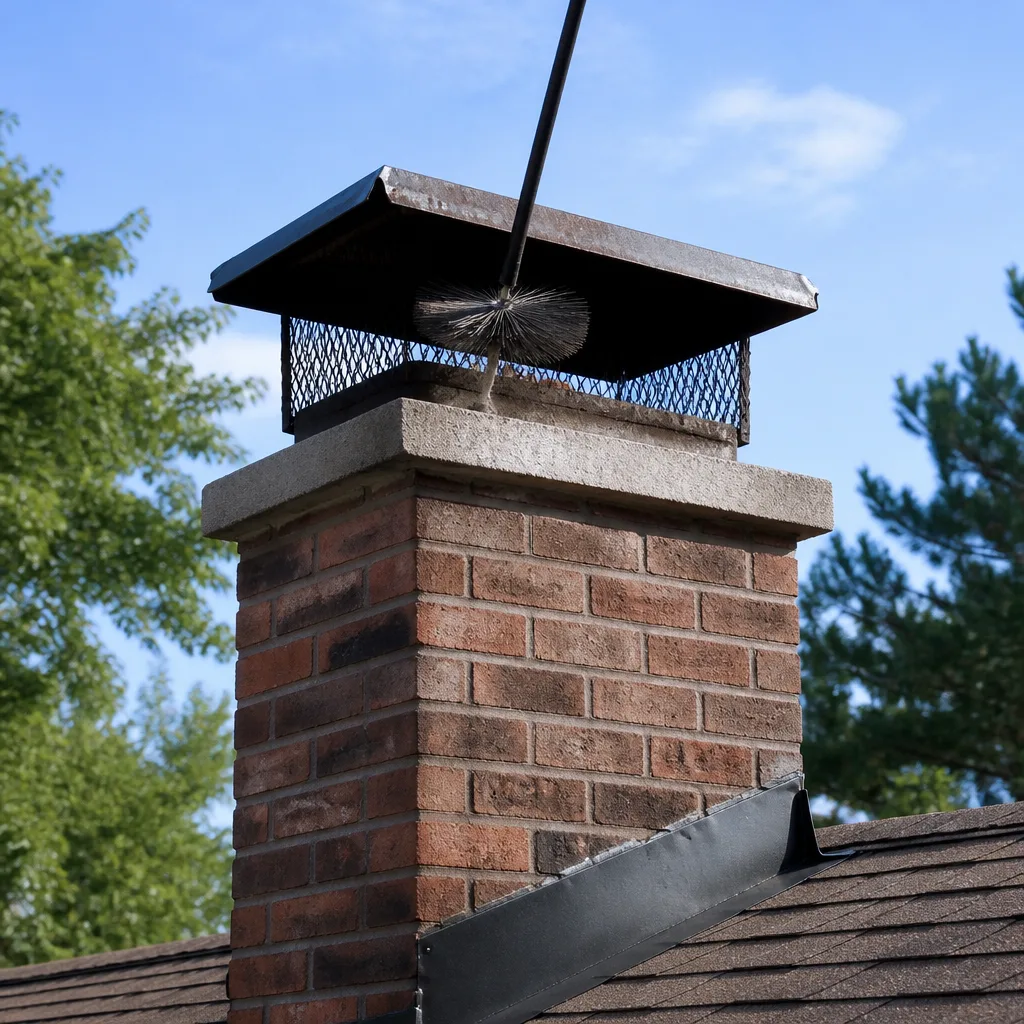 Sweep & inspection
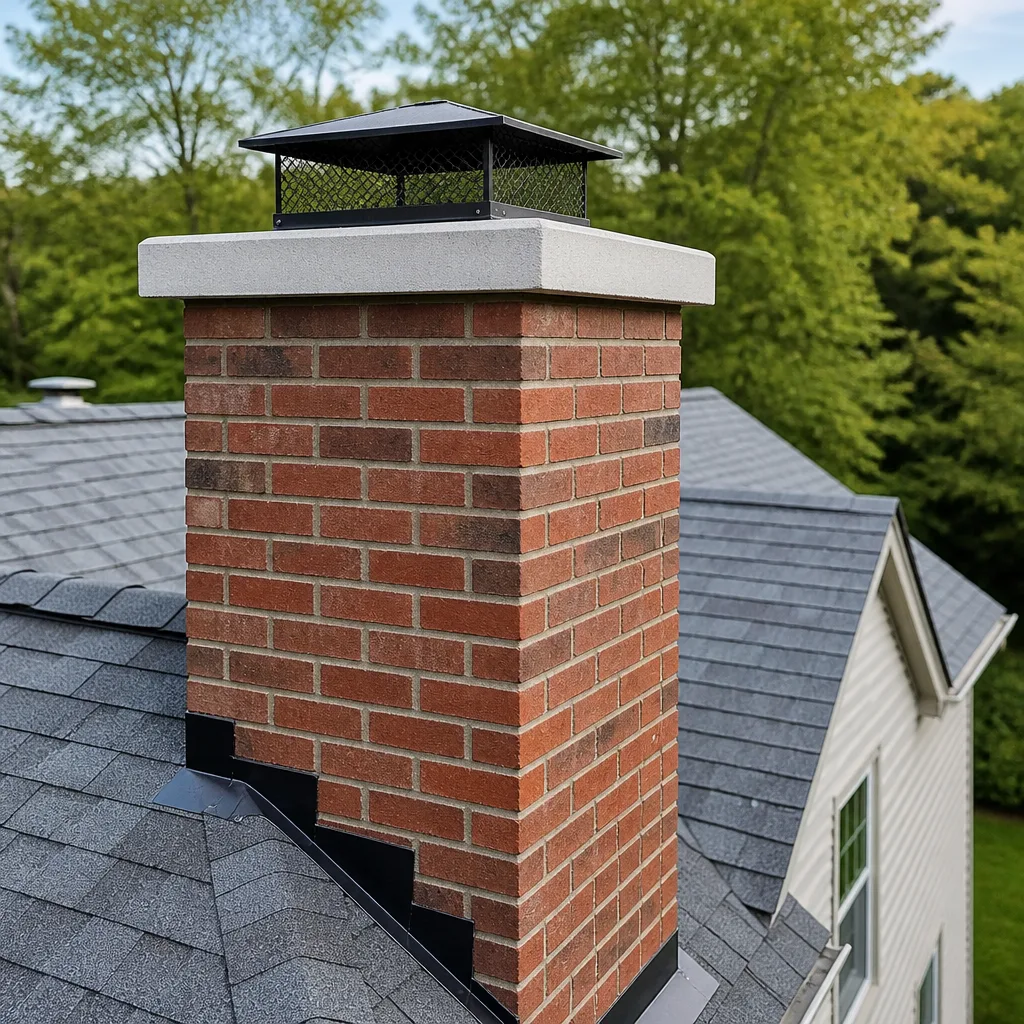 Caps & crowns
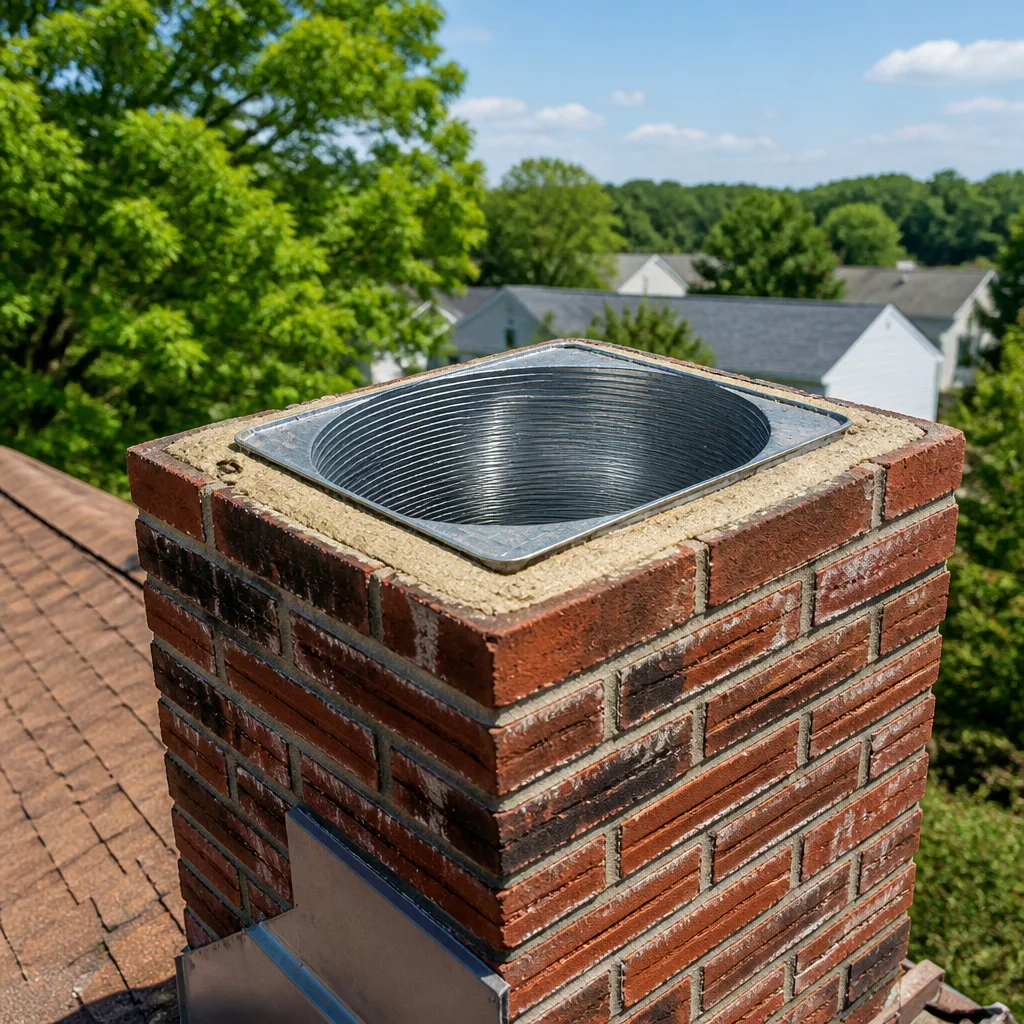 Flue relining
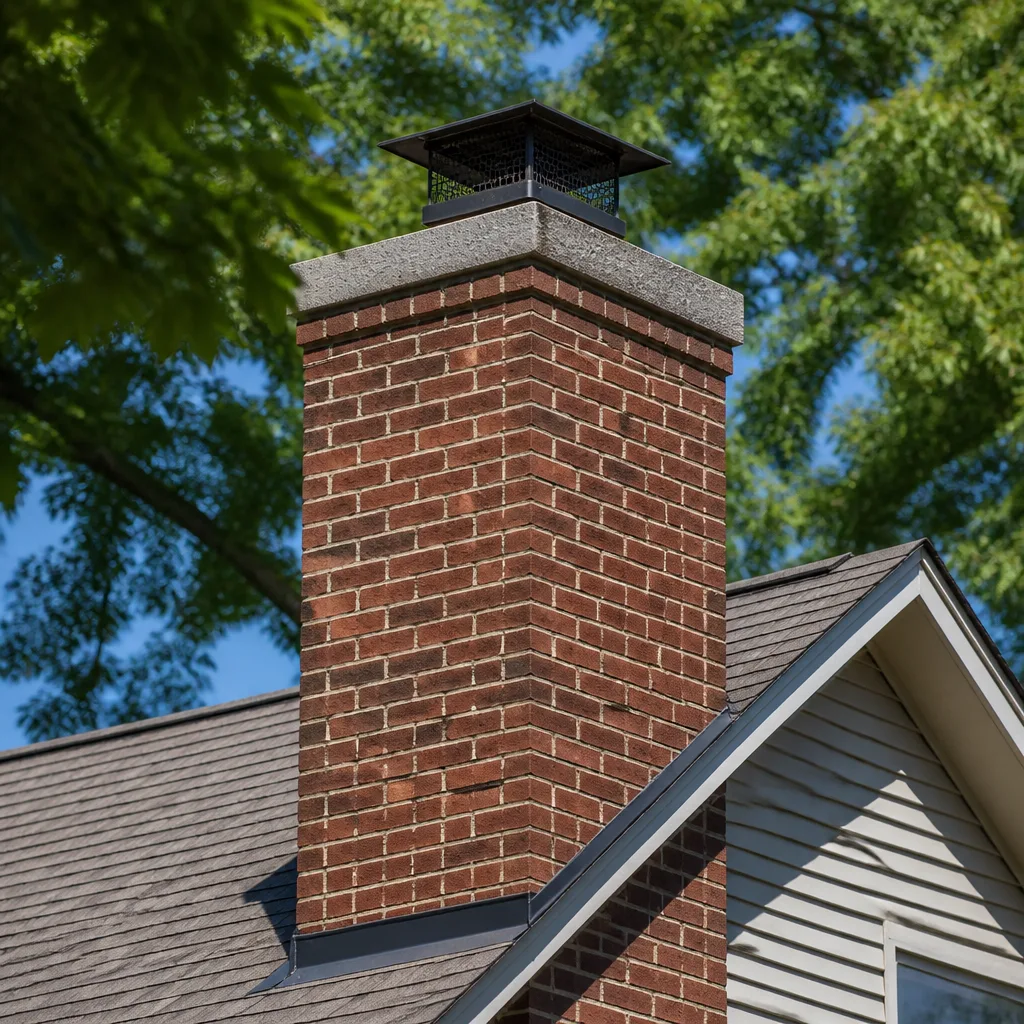 Masonry repair
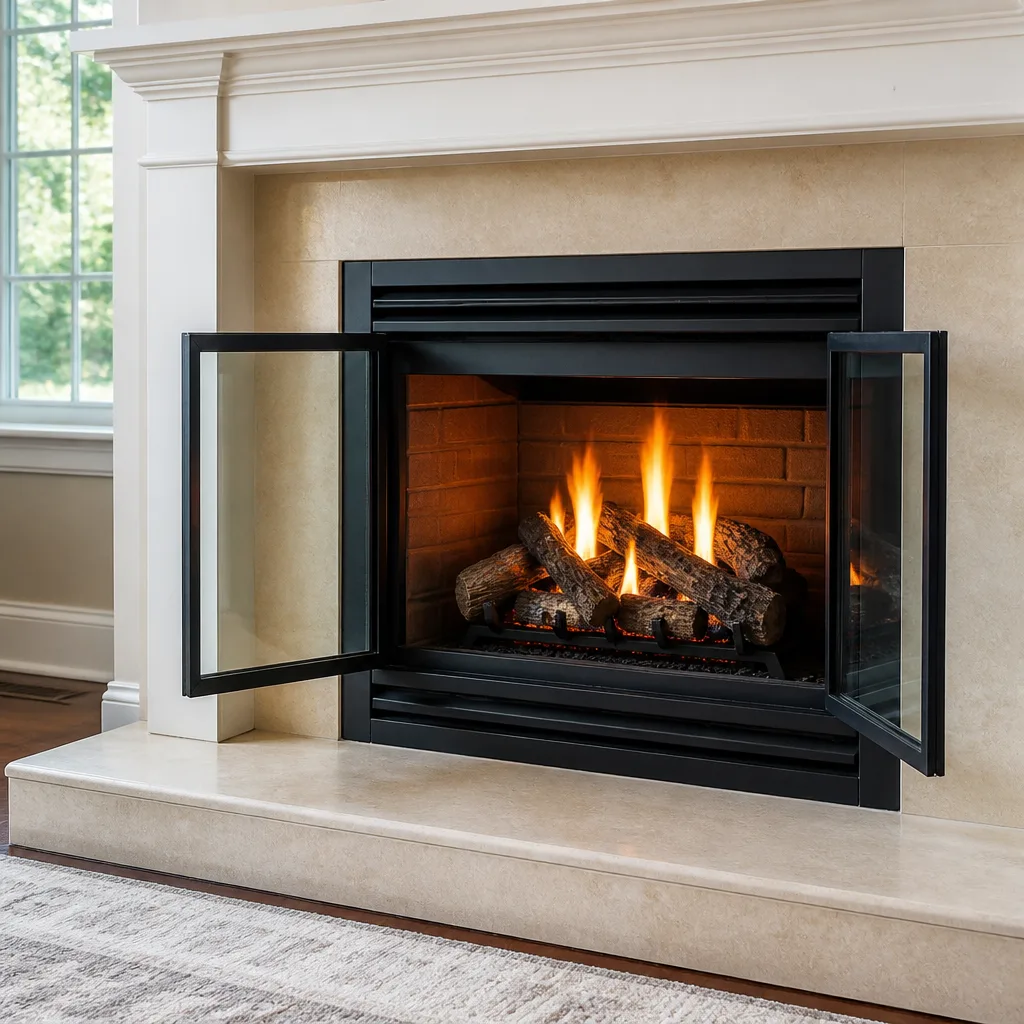 Gas fireplace service
Level 1 sweep and inspection to the NFPA 211 annual standard - flue, crown, cap, and flashing checked and photographed
Chimney sweep logs do not sweep chimneys. They loosen some creosote - which then falls where a brush and vacuum still have to collect it.
Chimney Cleaning Warning Signs: A Suffolk Homeowner’s Reference Guide
Two of the most common chimney complaints we hear in Suffolk look nothing alike, yet homeowners tend to treat them the same way: wait and see. A fireplace that puffs smoke into the room and a chalky white stain spreading down the brick outside are both warning signs, but they point in opposite directions. One is usually a draft or airflow problem you may be able to correct yourself. The other is water getting into the masonry and quietly breaking down the mortar from the inside. This guide sorts the signals your chimney sends you by what they actually mean, so you know which ones call for a cleaning, which call for a repair assessment, and which mean you should stop burning tonight.
Quick Answer
The main chimney cleaning warning signs are a strong creosote smell, smoke rolling back into the room, a sooty or glossy buildup on the flue walls, and a fire that burns sluggishly with poor draft. Those point to a flue that needs sweeping. White staining, crumbling mortar, rusted metal, and a damper that sticks are structural or moisture signals that a cleaning alone won’t fix. If you smell gas, see heavy smoke with no fire, or notice cracks inside the firebox, stop using the fireplace and get it looked at before the next burn.
Styles & brands we work with
- Sweep & inspection
- Caps & crowns
- Flue relining
- Masonry repair
- Gas fireplace service
Table of Contents
- What Does a Chimney Smell Tell You?
- Smoke Rolling Back Into the Room
- White Staining and Crumbling Brick Outside
- What You Can Check Inside Without Tools
- Cleaning Problem or Repair Problem?
- Animal Sounds and Blockages
- When to Stop Using the Fireplace Immediately
- Why Suffolk’s Climate Changes the Timing
What Does a Chimney Smell Tell You?
A chimney smell is one of the earliest warning signs, and it’s also the one homeowners most often talk themselves out of. The key is when the smell shows up. A creosote odor in summer and the same odor in the middle of winter usually mean two different things.
In winter, while you’re burning regularly, a faint smoky smell in the room often points to a draft problem or a flue that isn’t pulling hard enough. Smoke is escaping somewhere it shouldn’t. In summer, when the fireplace sits idle, a strong creosote or tar-like smell usually means moisture is reacting with the buildup inside the flue. Warm, humid air moving down a cool chimney can carry that smell into the house. The fix is often a thorough sweep, because the source is the accumulated creosote itself.
- Smoky smell in winter: likely a draft or ventilation issue, sometimes combined with buildup restricting flow.
- Tar or creosote smell in summer: buildup reacting with humidity; a sweep usually resolves it.
- Musty, damp smell: moisture intrusion, often from a missing or damaged cap or crown.
- Sharp, rotten-egg smell: never a chimney cleaning issue. Treat it as a possible gas concern and act immediately.
If the smell is persistent and accompanied by staining or rust, it’s worth a closer look rather than another sweep. We inspect before we recommend anything, which is why we offer chimney inspection as a standalone service for Suffolk homeowners who want an honest read on what’s causing the odor.
Smoke Rolling Back Into the Room
Smoke rollback is the sign homeowners notice first because it’s impossible to ignore. When a fire sends smoke into the room instead of up the flue, the chimney isn’t doing its one job: moving exhaust out of the house. There are several possible causes, and they range from simple to structural.
- A cold flue. On a cold morning, the flue is filled with dense cold air that won’t rise until it warms. Pre-warming the flue with a rolled newspaper torch often settles it.
- Negative pressure in the house. Modern homes are tight. A range hood, bathroom fan, or another appliance pulling air can starve the fireplace. Cracking a nearby window a little can confirm this in seconds.
- A blocked or partially blocked flue. Soot, creosote, a bird nest, or a collapsed liner section can choke the flow.
- A flue that’s too short or the wrong size. Some fireplaces and inserts were never matched to the right flue, and no amount of sweeping fixes a sizing problem.
- Chimney height or wind. A chimney that doesn’t clear the roofline properly can get pushed back by wind, especially on gusty days.
If smoke rolls back only on windy days, suspect height or wind. If it happens every time, suspect draft or blockage. Either way, it’s worth having the flue checked before you assume it’s just a matter of sweeping. When we look at a smoke problem in Suffolk, we check draft, flue size, and blockage together rather than guessing at the first one.
White Staining and Crumbling Brick Outside
Walk outside and look at your chimney. White, chalky staining on the brick is one of the most reliable warning signs that water is getting into the masonry. That stain is often efflorescence, the mineral residue left behind as water moves through the brick and evaporates. It means moisture is inside the chimney structure, and that water is working on the mortar joints and the flue liner.
Left alone, moisture drives a predictable sequence of damage. It starts with staining, then moves to spalling, where the brick face flakes and crumbles. From there, mortar joints erode, and eventually the flue liner can deteriorate. None of that is a cleaning problem. Sweeping the flue won’t stop water intrusion, and it won’t rebuild a broken crown or a cracked mortar joint.
- White staining: moisture moving through the masonry. Check the crown and cap.
- Flaking or crumbling brick faces (spalling): water damage has progressed; masonry repair may be needed.
- Crumbling mortar joints: often addressed with HeatShield, a product that restores deteriorating mortar joints in the flue without a full liner replacement.
- Rust on the damper or firebox metal: moisture is reaching the interior.
- Green or black organic growth: prolonged damp conditions.
This is where chimney repair enters the picture. In our experience, the staining is a symptom, and fixing it means finding the entry point: the crown, the flashing, or a missing cap. A homeowner who only books a sweep will keep seeing that stain come back.
What You Can Check Inside Without Tools
You don’t need a ladder or a tool bag to get useful information from your own fireplace. A five-minute look with a flashlight covers a lot of ground, and it helps you describe the problem accurately when you call. Here’s what to look at.
- The firebox walls. Look for cracks in the brick or gaps in the mortar. Cracks let heat and gases into the structure behind the firebox.
- The damper plate. Open and close it. It should move freely. A damper that sticks, won’t seal, or feels loose is a warning sign. A damper stuck open lets room air and heat escape year-round.
- The smoke chamber. Shine the light up past the damper. You’ll see the sloped surfaces above. Heavy soot or glazed creosote here is a cleaning concern, and rough or broken surfaces are a repair concern.
- The flue itself. With a strong light you can see the first stretch of flue. Look for shiny, glazed creosote, loose pieces, gaps, or anything that looks like a dark, smooth buildup.
- Around the opening. Soot streaks above the fireplace opening suggest smoke is escaping. Rust or water stains inside point to moisture.
This check is a starting point, not a substitute for a proper inspection. We offer standalone inspections in Suffolk partly because so many people want an honest read on what they’re seeing without being told they need a full rebuild. Nothing gets recommended without evidence we can show you.
Cleaning Problem or Repair Problem?
This is the sorting question the whole guide comes down to. Some warning signs mean the flue just needs a sweep. Others mean the chimney needs a repair assessment before or instead of cleaning. Mixing the two up wastes money or, worse, leaves a real problem unaddressed while you keep burning.
Warning signs a cleaning will likely resolve:
- Creosote smell in summer or a smoky smell that builds over time
- A sluggish fire with a weak draft and visible soot in the firebox
- Glazed or built-up creosote visible up the flue
- A smoky smell that clears after a sweep
Warning signs that need repair assessment:
- White staining, spalling brick, or crumbling mortar on the exterior
- Cracks in the firebox, smoke chamber, or flue liner
- A damper that sticks or won’t seal
- Rust or water damage inside the firebox
- A flue that’s the wrong size or has an offset the current liner can’t handle
For offset or aged flue configurations, a flexible stainless liner like DuraFlex is often the right answer because a rigid liner won’t navigate the bends. For liner deterioration at the mortar-joint stage, HeatShield can restore the surface without a full replacement. And when a masonry crown or joint needs rebuilding, the materials matter. We work with trade-grade products like Copperfield and Gelco rather than hardware-store substitutes, because a chimney is a load-bearing structure that faces weather on every side.
Animal Sounds and Blockages
Scratching, flapping, or chirping from inside the chimney is a warning sign that something is living in the flue. Birds, squirrels, and raccoons find uncapped chimneys appealing, and a nest is more than an annoyance. It’s a blockage that restricts draft and can push smoke and carbon monoxide back into the house.
The sound itself tells you something useful. Loud scratching and movement in spring often point to a nest. A persistent flapping or cooing in the flue is usually a bird. Squirrels tend to be active and noisy during the day. Regardless of what it is, don’t light a fire until the blockage is cleared. The animal needs to be removed safely, and the flue needs to be checked for nesting material afterward.
A chimney cap is the cheap fix that prevents the problem in the first place. In Suffolk, where the tree canopy is thick in many older neighborhoods, an uncapped flue invites birds and squirrels year after year. If you hear something in the flue, the practical move is to book a cleaning and an inspection together, so the flue gets cleared and checked for any damage the animal may have caused.
When to Stop Using the Fireplace Immediately
Some warning signs can wait for a scheduled appointment. Others mean you should stop burning now. Here’s the short list of stop-now signals.
- Cracks in the firebox, smoke chamber, or flue liner. Heat and gases can escape into the house or the structure. Stop and get it inspected.
- Heavy smoke filling the room with a lit fire and no obvious draft fix. This is a ventilation failure and a safety hazard.
- A sharp gas smell or a smell of rotten eggs. Treat it as a gas concern and act immediately.
- A blocked flue from an animal nest or a collapsed liner section. Carbon monoxide has nowhere to go but back into the room.
- A fire that won’t draw at all and smoke pouring from every seam. Stop, open a window, and get the house aired out.
For everything else, you can schedule within normal lead time. A smell, a weak draft, or a visible stain on the exterior is worth an appointment, but it doesn’t mean you need to move out or call in a panic. The judgment call is the point of a proper inspection, and that’s what we offer when you call Chimney Sweep Suffolk.
Why Suffolk’s Climate Changes the Timing
A Suffolk chimney faces a specific set of conditions. The region’s humid summers and damp winters mean the masonry spends a lot of the year moving moisture in and out. That cycle is what drives efflorescence, spalling, and joint deterioration. A chimney that sits through a hot, humid summer and a wet winter takes more of a beating than the same chimney in a drier climate.
The practical impact is timing. In our experience, the best time to schedule a sweep is before the first cold snap, not after. Waiting until you want to light a fire means you’re competing with every other homeowner in Suffolk for an appointment, and you may not find out about a blockage or a stamped-down cap until smoke is in the room. A fall sweep also catches creosote before it has a chance to harden over the winter.
The other variable is housing stock. Suffolk has a mix of older homes with masonry chimneys and newer construction with more airtight envelopes. The older homes tend to show moisture and liner problems. The newer ones tend to show draft issues from negative pressure. Both are warning signs worth reading correctly. When you call a chimney sweep, the sweep should be able to tell you which category your chimney falls into.
If you’re not sure where Suffolk fits in your schedule, the team at Suffolk can help you plan around your burn season rather than react to it.
Common Mistakes to Avoid
- Treating every smell as a cleaning issue. A musty smell often means water intrusion, not buildup. Sweeping won’t fix it, and you’ll keep smelling it after the chimney is clean.
- Ignoring a white stain on the exterior. That stain is moisture damage in progress. Waiting a season can turn a crown repair into a liner replacement.
- Burning a fire to “burn off” a bad smell. If the flue is blocked, a fire makes the problem worse, not better. Clear the blockage first.
- Hiring a generalist handyman for a chimney. Sweeping, inspection, and repair are three distinct skills. A generalist with a brush may not recognize a liner problem when they’re standing in front of it.
- Skipping the inspection because the sweep looks clean. A clean flue can still have a cracked liner or a damaged damper. Cleaning and inspection answer different questions, which is why we offer both.
- Assuming a stuck damper is normal. A damper that won’t move or seal is a warning sign. It lets heat out and can affect draft year-round.
- Waiting until the first cold week to book. Suffolk schedules fill up fast in the fall. Calling earlier means more choice of appointment dates, not less.
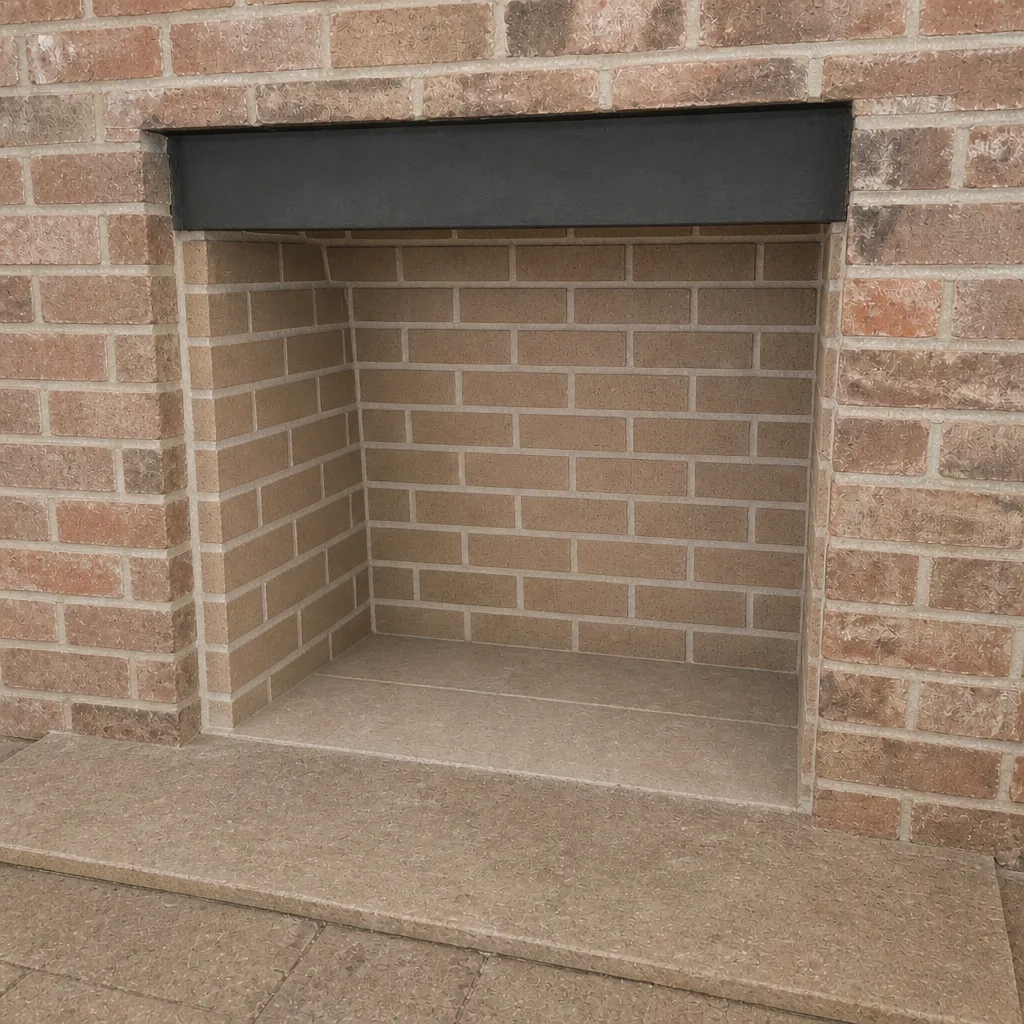
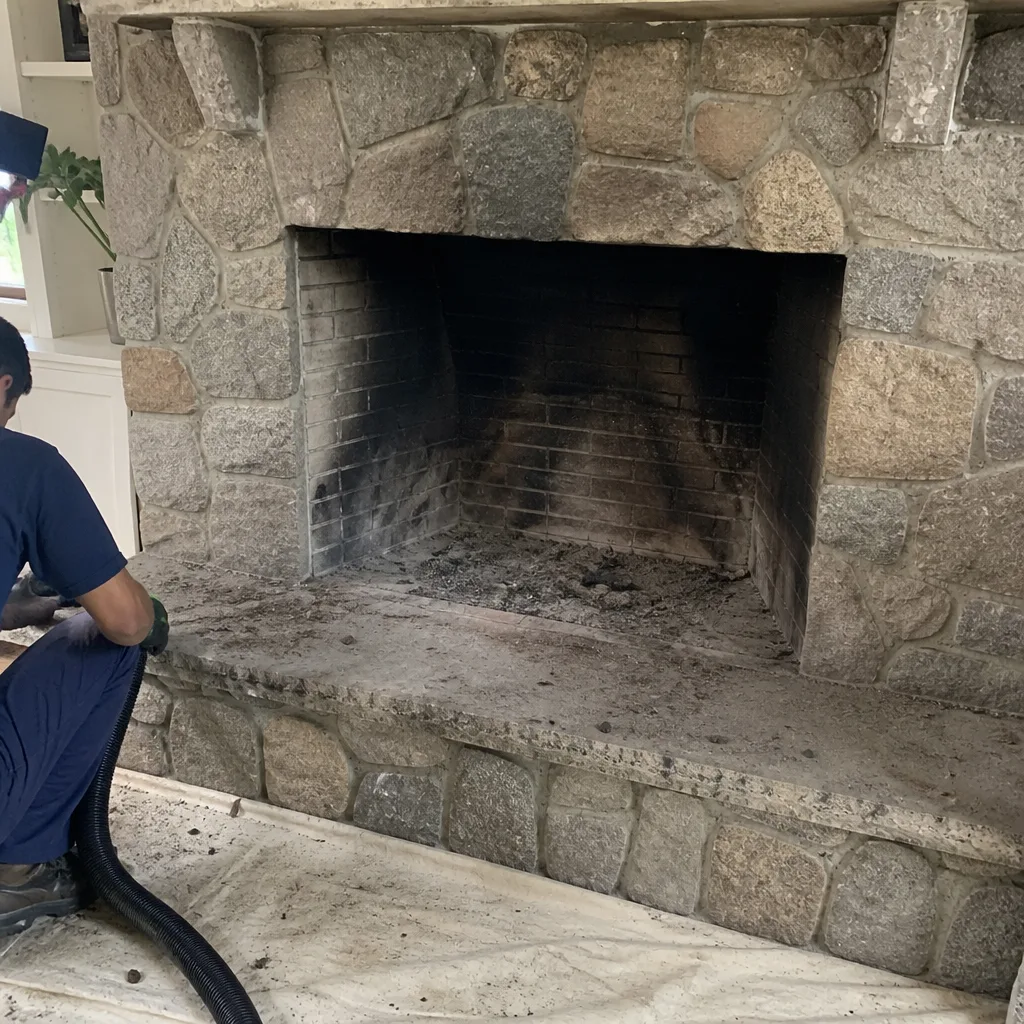
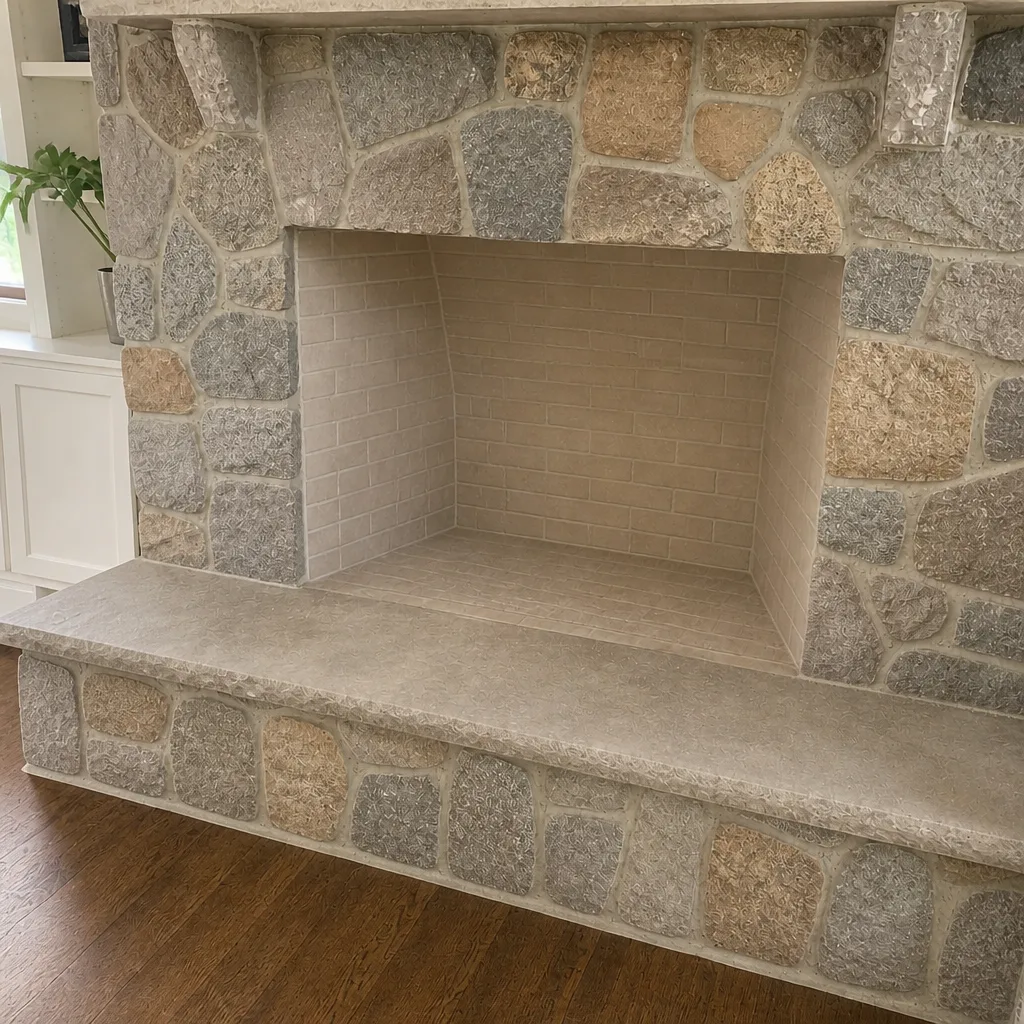
See the difference
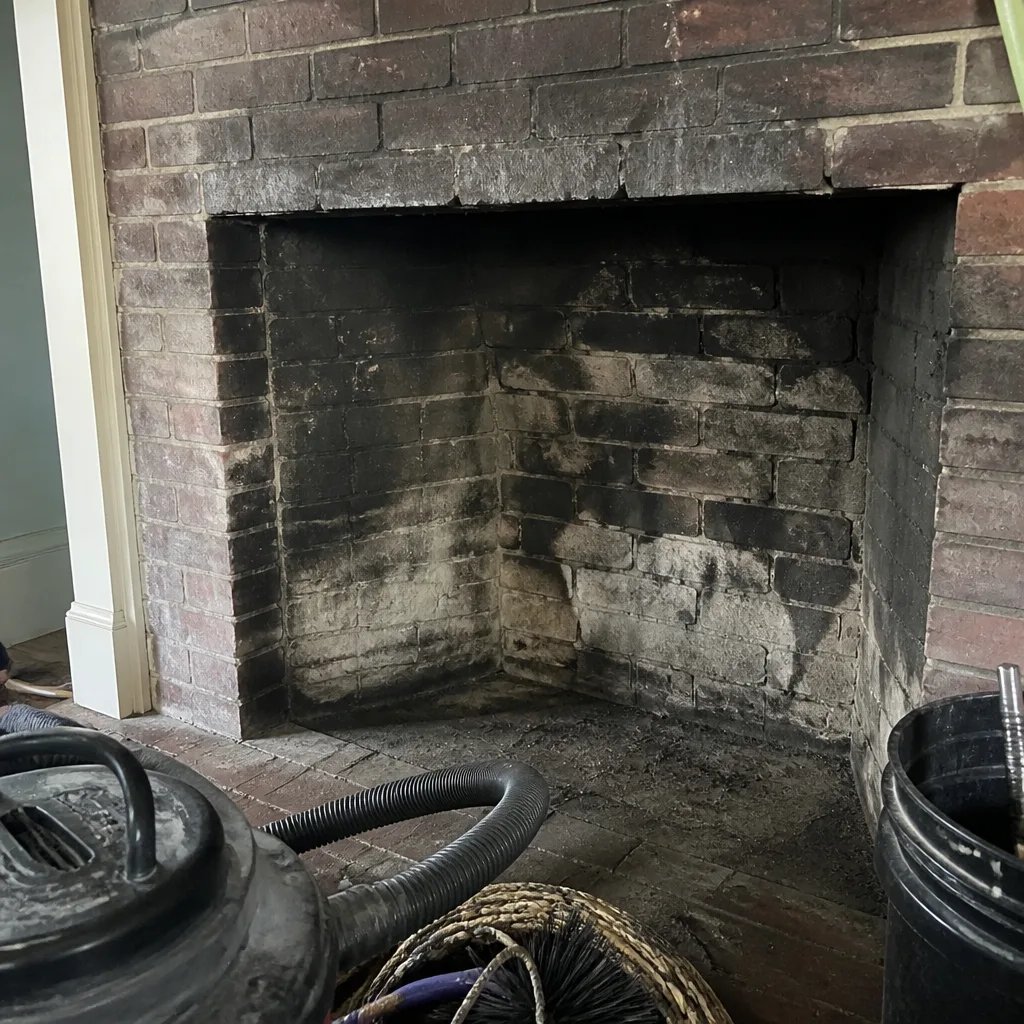 Before
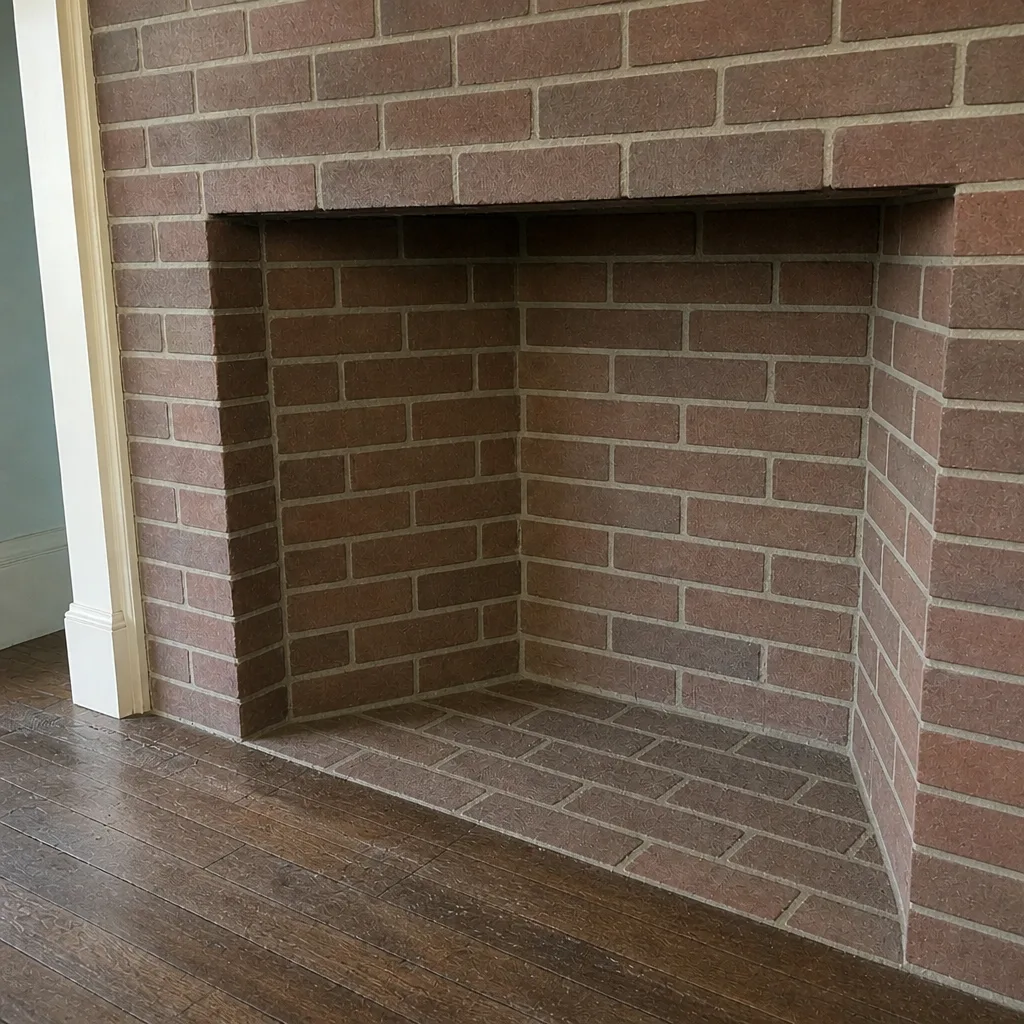 After
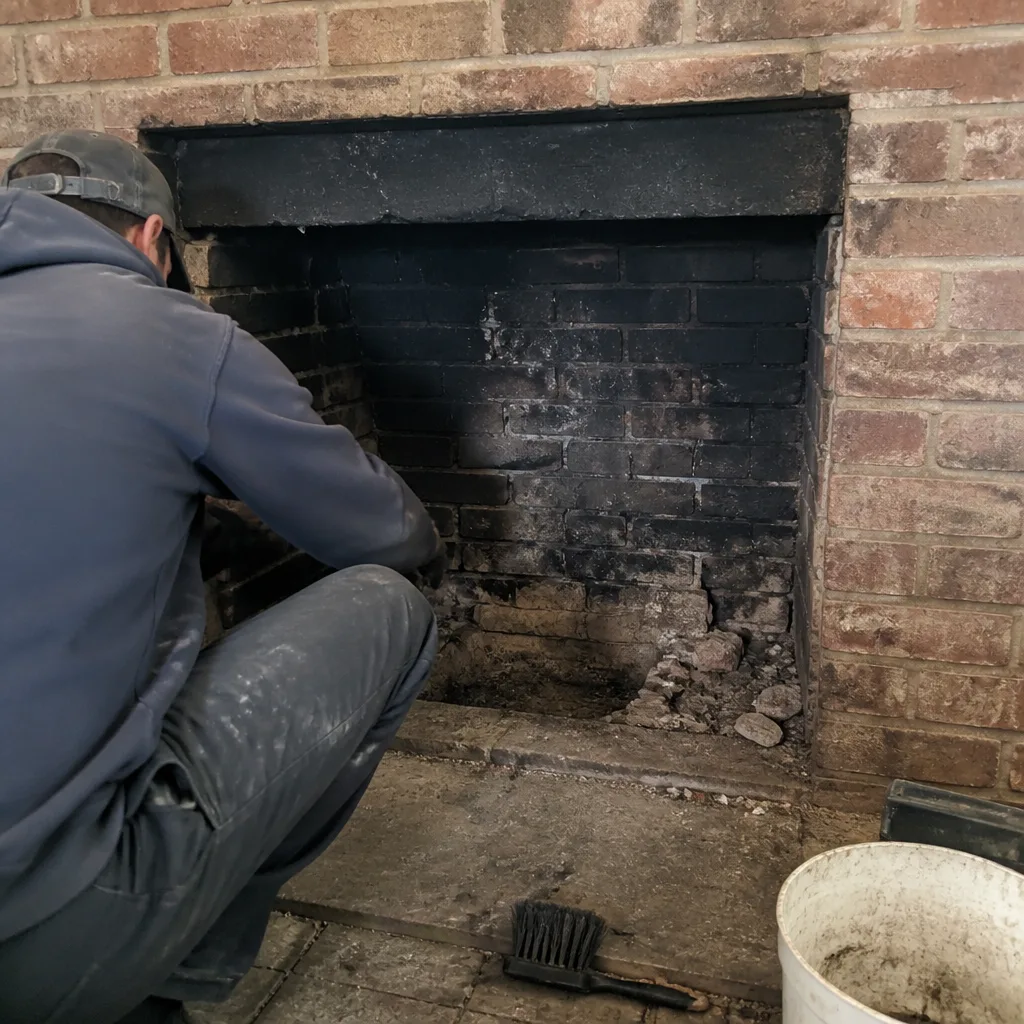 Before
 After
 Before
 After
When to Call a Professional
Call a professional when the warning sign is structural rather than cosmetic. That means cracks in the firebox, smoke chamber, or flue liner; white staining or spalling on the exterior; a damper that won’t seal; animal sounds in the flue; or any smell that persists after a cleaning. Call sooner if you see any of the stop-now signs above. A professional sweep and inspection covers both the cleaning question and the repair question in one visit, so you’re not guessing which one you need. Chimney Sweep Suffolk offers free estimates in Suffolk; call (866) 361-9861. We answer 24/7. Fast dispatch from 7am to 7pm, Sunday through Friday.
Frequently Asked Questions
Most wood-burning fireplaces should be swept once a year, or sooner if you burn heavily or notice a strong creosote smell or poor draft. The annual cadence matters more in Suffolk’s humid climate because moisture and buildup interact year-round. If you burn several cords a season, plan on a sweep before each heating season. Call (866) 361-9861 for an exact quote; estimates are free.
The most commonly missed signs are a white stain on the exterior brick and a damper that sticks a little. Neither feels urgent, so both get ignored until they turn into a bigger repair. A creosote smell in summer is another one people write off as “just how fireplaces smell.” It isn’t, and it’s worth a call. Call (866) 361-9861 for an exact quote; estimates are free.
It can mean either, which is why the inspection comes first. A smoky smell in winter usually points to draft or airflow, while a tar-like smell in summer points to buildup reacting with humidity. A musty smell points to moisture. Each one needs a different fix. Call (866) 361-9861 for an exact quote; estimates are free.
Yes. We offer chimney inspection as a standalone service, so you can get an honest read on a warning sign without committing to repair work. Many homeowners in Suffolk call us specifically because they want to know whether the problem is cleaning or repair before they spend anything further. Call (866) 361-9861 for an exact quote; estimates are free.
Stop using it immediately if you see cracks in the firebox or flue liner, if smoke fills the room with no clear draft fix, if you smell gas, or if the flue is blocked by a nest or a collapsed liner. Those are safety signals, not maintenance items. Call (866) 361-9861 for an exact quote; estimates are free.
Not every liner problem requires a full replacement. If the flue has deteriorating mortar joints, HeatShield can restore the flue surface without pulling and replacing the whole liner. If the flue has offset or aged bends, a flexible DuraFlex liner may be the right fit where a rigid liner won’t go. We recommend based on camera evidence you can see, and we say plainly when work can safely wait. Call (866) 361-9861 for an exact quote; estimates are free.
The Bottom Line
Chimney warning signs split into two categories: cleaning signals and repair signals. Smells, weak draft, soot, and glazed creosote usually point to a sweep. White staining, spalling brick, cracked liners, rust, and sticking dampers point to moisture or structural trouble that a cleaning alone won’t fix. The stop-now signals are cracks, blocked flues, gas smells, and smoke pouring into the room. Read your chimney correctly each season and you’ll spend less on repair and get more out of the fireplace. For an honest read in Suffolk, plus trade-grade materials and inspection-first recommendations, we’re here when you’re ready.
Our technicians have up to 12 years of experience. If you’re seeing any of the warning signs in this guide, call Chimney Sweep Suffolk at (866) 361-9861 for a free estimate. We answer 24/7. Fast dispatch from 7am to 7pm, Sunday through Friday.
Written by the team at Chimney Sweep Suffolk.