
Last updated November 15, 2026
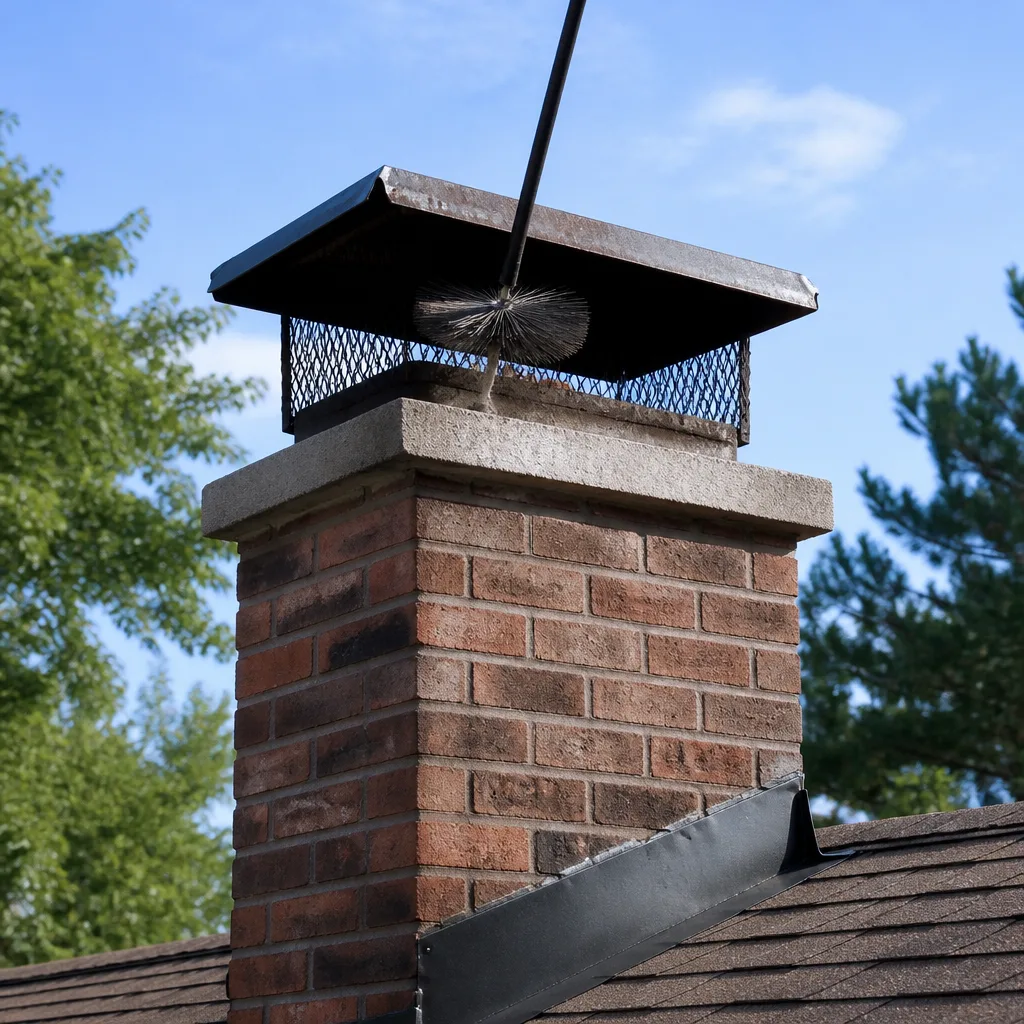 Sweep & inspection
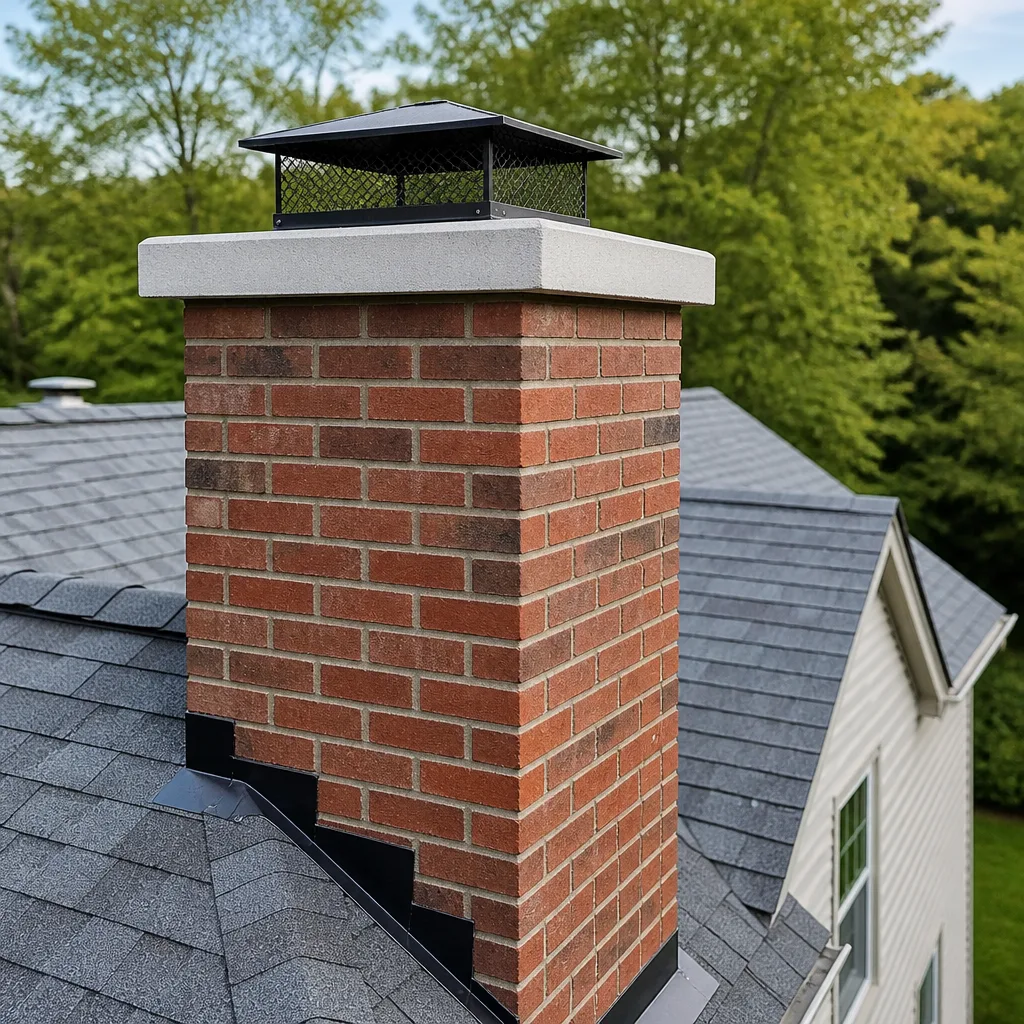 Caps & crowns
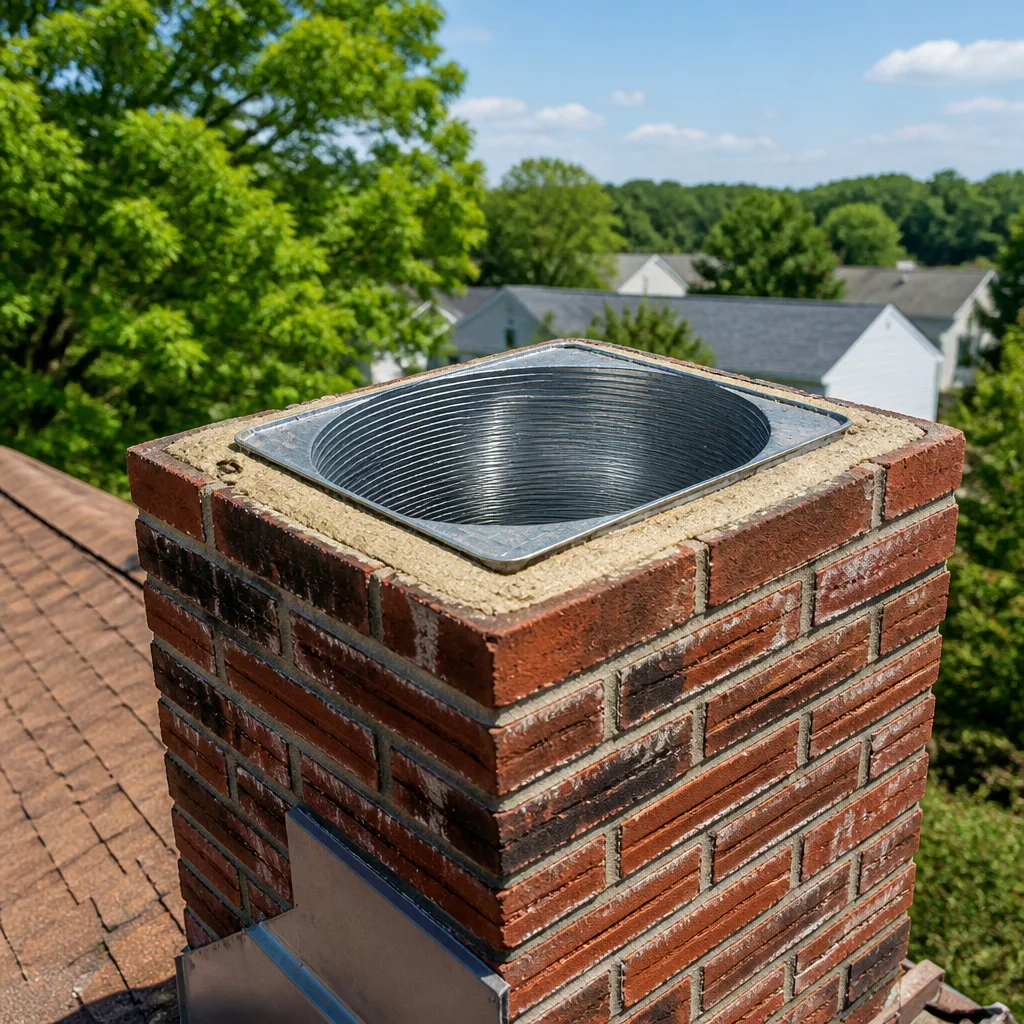 Flue relining
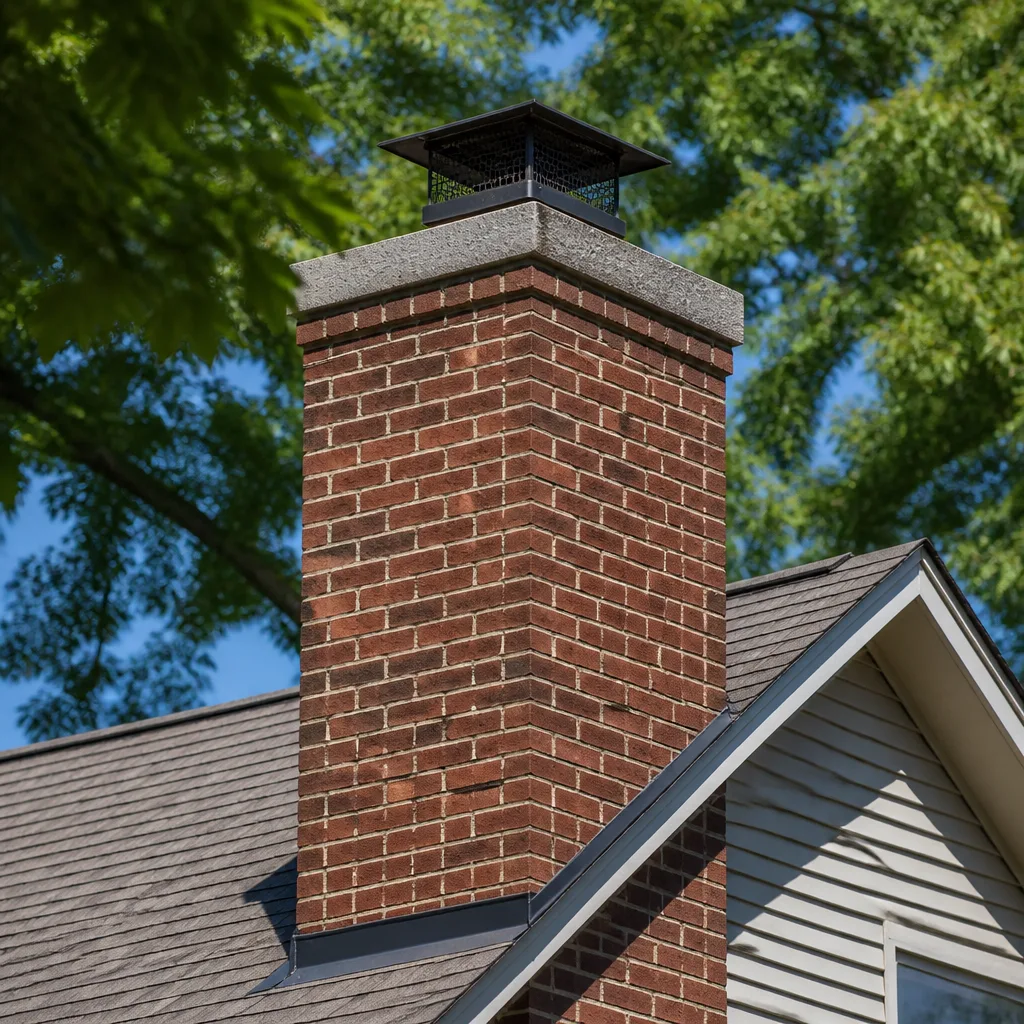 Masonry repair
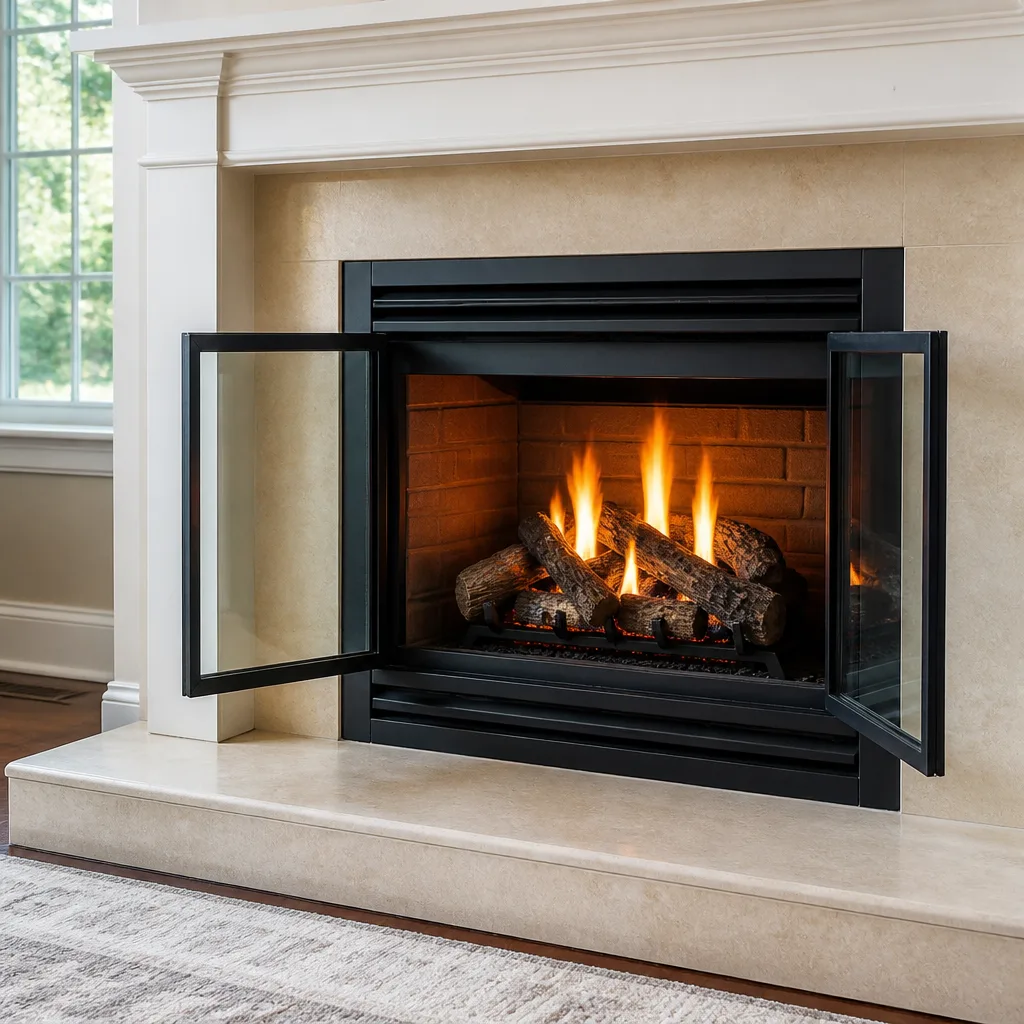 Gas fireplace service
Level 1 sweep and inspection to the NFPA 211 annual standard - flue, crown, cap, and flashing checked and photographed
Chimney sweep logs do not sweep chimneys. They loosen some creosote - which then falls where a brush and vacuum still have to collect it.
DIY vs Professional Chimney Cleaning: The Suffolk Homeowner’s Decision Guide
You can buy a chimney brush for under $50. It’ll even look like the one a sweep uses. But the brush was never the reason a professional cleaning is worth real money. The brush cleans. The value is everything that happens before and after the brush goes in: what gets looked at, what gets measured, what gets found. In Suffolk, where a lot of the housing is older than the people living in it, that looking matters more than the scrubbing. This guide maps out exactly what you can accomplish yourself, what you can’t, and how to build a hybrid approach that actually saves money without cutting corners on safety.
Quick Answer
DIY chimney cleaning is worth doing only as a supplement between professional annual visits. A consumer brush kit removes loose soot from the accessible sections of the flue, but it cannot assess liner integrity, mortar joint condition, the smoke chamber, or flashing seals, which is where genuine problems develop. In Suffolk’s older housing stock, those unseen areas are where fires and carbon monoxide risks start, so annual professional inspection matters more than annual brushing.
Styles & brands we work with
- Sweep & inspection
- Caps & crowns
- Flue relining
- Masonry repair
- Gas fireplace service
Table of Contents
- What a DIY Brush Kit Actually Gets You
- What DIY Cleaning Cannot Assess (and Why Each Matters)
- Why Suffolk’s Older Homes Carry Extra Liner Risk
- When DIY Maintenance Between Professional Visits Makes Sense
- When DIY Creates False Confidence
- How to Build a Safe, Cost-Effective Hybrid Approach
- What a Professional Cleaning Actually Includes
- How to Choose a Chimney Professional in Suffolk
What a DIY Brush Kit Actually Gets You
A consumer chimney brush, a set of flexible rods, and a shop vacuum with a good filter will set you back somewhere around the cost of a nice dinner out. For a homeowner who’s handy and careful, that kit can genuinely do part of the job.
Here’s an honest breakdown of what a homeowner can physically accomplish with consumer-grade tools:
- Loose soot removal in accessible sections. A brush sized correctly to your flue can knock down the soft, powdery soot that builds up on the walls of a straight flue run you can reach from the top or the firebox.
- Surface debris on the smoke shelf. That flat ledge just above the damper collects fallen soot and sometimes leaves or nesting material. You can reach it with a vacuum and a hand tool.
- Light creosote on the firebox walls. A stiff brush can knock off flaky creosote from the firebox and lower flue, which is worth doing.
- Ash removal from the firebox floor. Clearing old ash helps draft and reduces the dust load in the room.
What a brush kit cannot do is equally important to understand. It can’t navigate an offset flue, where the chimney jogs sideways through the house. It can’t see around a bend or into the smoke chamber above the damper. It can’t detect a hairline crack in a clay tile from the inside of a flue. And it can’t tell you whether what you removed was ordinary soot or glazed, hardened creosote that needs a different treatment entirely.
The brush is a tool, not a diagnosis. Understanding that distinction is the whole ballgame.
What DIY Cleaning Cannot Assess (and Why Each Matters)
When a professional chimney sweep cleans a flue, the cleaning is only half the visit. The other half is inspection, and it’s where real problems get caught before they become expensive or dangerous. Here’s what a homeowner working from a stepladder and a brush simply cannot evaluate.
Liner Integrity
The flue liner is the protective barrier between the hot gases and the structure of your house. A clay tile liner can crack from heat cycling, from a previous chimney fire the homeowner never noticed, or from settling over time. A crack lets heat and carbon monoxide reach combustible framing. From the firebox, a homeowner can see maybe the first few feet of liner. The damage almost always develops higher up.
Mortar Joint Condition
The mortar joints between clay tiles are the weak point. When they fail, gases can escape sideways into the chimney’s interior cavity. This is a common finding in older chimneys, and it’s invisible without getting eyes on the full flue. Deteriorating joints are also where HeatShield liner restoration becomes relevant, a targeted repair that addresses the joints without a full liner replacement.
Smoke Chamber Corbeling
The smoke chamber is the sloped section between the damper and the first flue tile. Its surfaces are often rough, and they collect creosote that a brush never reaches. Corbeling, the stepped masonry the chamber is built with, creates pockets where glazed creosote hardens. Over time, that chamber becomes a real fire hazard. It has to be inspected directly, often with a camera or specialized tools.
Flashing and Seal Condition
The flashing is the metal work where the chimney meets the roof. When it fails, water gets in and degrades the mortar and interior masonry. Water damage accelerates every other problem in the chimney and is essentially undetectable from inside the firebox.
Draft and Pressure
A professional measures draft and checks for the conditions that cause smoke rollback or poor performance. Draft problems often trace back to chimney height, flue sizing, or blockages a brush can’t detect. Diagnosing them requires understanding of how the whole system moves air.
Why Suffolk’s Older Homes Carry Extra Liner Risk
Suffolk has a lot of homes built in the mid-20th century and earlier, in established neighborhoods where the chimneys were built with clay tile liners and nothing has been done to them since. That’s not a criticism of the homes, it’s just a fact of the housing stock, and it has consequences for how you approach chimney maintenance.
An unrenovated clay tile liner from that era is vulnerable to cracking from normal heat cycling over years of use. When a homeowner burns consistently through the cooler months, which plenty of us do in Suffolk, those tiles take a beating. The cracks are often hairline and completely invisible from the firebox or the roof. Camera inspection is the only reliable way to find them.
There’s another factor specific to the region. Our climate has warm, humid summers and a winter burn season that puts a chimney through repeated heating and cooling. That cycling accelerates wear on masonry, and it’s why a lot of the older chimneys we inspect in established Suffolk neighborhoods show the same pattern: intact lower flue, deteriorating upper tiles, and failing mortar joints between them. A homeowner working from inside the firebox sees the intact part and assumes the chimney is fine.
If your home was built before roughly 1970 and the chimney hasn’t had documented inspection, that’s the scenario where a professional assessment has the most value. It’s also where chimney repair work is most likely to be identified before it becomes a real problem. A cracked clay tile isn’t going to fix itself, but a HeatShield application or a properly sized flexible DuraFlex liner can address it once it’s found.
When DIY Maintenance Between Professional Visits Makes Sense
There’s a real place for homeowner maintenance. It’s just not where most people put it. DIY between professional visits is genuinely useful in specific scenarios, and it’s not useful in others. Here’s where it earns its keep.
- Clearing the firebox between cleanings. Emptying ash and removing firebox debris keeps the fire burning efficiently and reduces dust. This is a fine do-it-yourself task.
- Mid-season soot knock-down for high-use households. If you burn a lot, a light brush run in a straight flue between professional visits can help, provided you know the flue is straight and the professional has confirmed it’s clear and intact.
- Visual checks from the firebox and roof. Looking for soot buildup, obvious cracking, or nesting material and then reporting what you see is a smart habit. The professional confirms whether it’s a problem.
- Keeping the chimney cap clear. Checking that the cap is intact and free of bird nests or leaf debris is easy and worthwhile.
- Monitoring creosote buildup by sight. If you can see heavy, shiny buildup in the firebox, calling a professional is the right move. That’s what glazed creosote looks like.
What makes this work is that the professional visit is still happening annually. DIY between visits is a supplement. The inspection is the anchor. When a homeowner handles accessible debris themselves and then has the professional do a full inspection and cleaning once a year, they get real cost-effectiveness without compromising safety.
When DIY Creates False Confidence
The bigger risk with DIY chimney cleaning isn’t what it fails to clean. It’s what it makes the homeowner believe.
A homeowner who bought a brush kit, ran it down the flue, and swept out the firebox has done something real. But it creates a false sense that the chimney has been serviced. When that same homeowner skips the annual inspection because “I clean it myself,” problems that would have been caught early get a few more years to develop into expensive repairs or, worse, into conditions that increase fire risk.
Here’s where that false confidence is most dangerous:
- After a chimney fire. A small chimney fire can happen without anyone realizing it. It leaves the liner damaged. A homeowner who brushes the soot and assumes everything is fine has no idea the liner may now be compromised.
- In a home they’ve just bought. A new homeowner with a recent inspection report from the previous owner can grow comfortable with a chimney they’ve never had checked themselves. Things change. A fresh inspection is the right starting point.
- When they’ve changed the fuel. Someone who’s moved from an open fireplace to an insert or a wood stove has changed the whole system. Draft, flue sizing, and creosote production all change too. A brush doesn’t help with any of that.
- When they’ve noticed draft problems. Smoke rollback or a weak draft is a signal, not a nuisance. A DIY brush can’t diagnose it and often makes a homeowner think they’ve addressed it when they haven’t.
The line is simple. DIY cleans. It doesn’t diagnose. When the situation calls for diagnosis, which is most of the time in an older chimney, the brush isn’t the tool.
How to Build a Safe, Cost-Effective Hybrid Approach
The genuinely cost-effective approach for most Suffolk homeowners is a hybrid: you handle the accessible debris between professional visits, and a professional handles the annual inspection and deep cleaning. This structure gets you the benefit of both without either one carrying more weight than it should.
Here’s how to structure it:
- Get a proper baseline inspection first. Before any DIY habit starts, have the chimney professionally inspected. That establishes what the chimney actually is: flue type, liner condition, draft performance, and any existing problems. Without that baseline, DIY is guesswork.
- Schedule the annual professional cleaning and inspection. Once a year, ideally before the burn season starts, book the full professional visit. The cleaning and inspection happen together, and that’s the backbone of the whole approach.
- Keep the firebox clear between visits. Empty ash, remove debris, and check the cap. This is the DIY work that genuinely helps and is safe to do.
- Address problems before they compound. If the professional inspection finds a flaw, address it. That means scheduling any repair work and letting the tradespeople handle it. In our experience, the homeowners who wait on identified problems are the ones who end up with the largest repair bills.
- Document what’s found. Keep the inspection reports and any repair records. If you sell the home, a documented inspection history is a real asset in a buyer’s inspection.
That’s the whole approach: professional foundation, homeowner maintenance on top. It genuinely costs less over the years than the false-confidence track, because it catches problems early and prevents the ones that turn into big repair jobs.
For those who want the professional work done right, Chimney Sweep Suffolk handles Chimney Sweep Suffolk services across Suffolk, covering sweep, inspection, and repair under one roof so there’s no referral gap if a problem is found.
What a Professional Cleaning Actually Includes
A professional cleaning is more than a brush on a rod. Here’s what the visit actually involves when it’s done properly.
- Setup and containment. Drop cloths and sealed work zones so no soot ends up on your floors or furniture.
- Full flue brushing with correctly sized tools. A professional brings brushes sized to the specific flue, so they clean the whole length rather than just what can be reached from the firebox.
- Baffle and smoke shelf cleaning. The ledge above the damper collects debris and creosote, and it needs to be cleared.
- Smoke chamber cleaning. The chamber between the damper and flue gets special attention. Plenty of DIY cleanings skip it entirely, which is where a lot of the creosote danger sits.
- Camera inspection. A camera inspection of the flue reveals liner condition, mortar joint condition, and any cracking or obstruction that a visual check from the firebox can’t find. This is the piece that justifies the visit.
- Draft check. A professional verifies that the chimney is pulling correctly and that there’s nothing causing smoke rollback or performance problems.
- Written findings and photos. A good report documents what was found and provides photos so the homeowner can see what the professional saw. No guesswork, no invented repairs.
The cleaning is the visible part. The report is the part that protects the home. Any homeowner evaluating the value of professional cleaning should weigh the inspection component, because that’s where the return on the investment actually sits.
We work with trade-grade brands like HeatShield, DuraFlex, Famco and Copperfield, not hardware-store substitutes, because the material quality matters when it’s going to sit in a flue for years. Our technicians have up to 12 years of experience with these systems, and the inspection-first approach means a recommendation only comes after something has been found and shown, with evidence the homeowner can see.
How to Choose a Chimney Professional in Suffolk
Not every chimney service in the region is equivalent. Here’s how to tell a specialist from a generalist picking up chimney calls on the side.
- They offer inspection as a standalone. A company that treats inspection as its own service, structured to find problems honestly rather than manufacture repair tickets, is telling you a lot about how they work. If inspection is only available attached to a repair purchase, that’s worth noting.
- They cover sweep, inspection, and repair under one roof. A sweep-only operator has to hand off any problem they find to someone else. That referral gap is where things get lost. A full-service chimney specialist handles all three, so what’s found is what’s addressed.
- They work with recognized professional brands. Familiarity with DuraFlex, HeatShield, Gelco, Olympia Chimney, Famco, and Copperfield matters because these are the materials that go into the flue. Generic substitutes are the wrong material for a system that has to perform under heat and chemical exposure for years.
- They show you evidence. Camera inspection photos and a written report mean you’re making decisions on real information, not on a verbal warning.
- They can explain liner restoration versus replacement. A company that can walk you through HeatShield mortar joint restoration as a targeted alternative to full replacement, or explain when a flexible DuraFlex liner is the right solution for an offset flue, is demonstrating knowledge that goes beyond sweeping.
- They’re specialties, not hobbies. A chimney specialist is what they are. When a generalist contractor takes on chimney work, the diagnosis and repair depth usually isn’t there.
Common Mistakes to Avoid
- Confusing a cleaned flue with a safe flue. Cleaning removes soot. It doesn’t confirm the liner is intact. A homeowner who cleans the flue and stops there has skipped the check that actually catches problems early. In Suffolk’s older homes, that check is not optional.
- Skipping inspection because the fire is behaving normally. Smoke going up the chimney is not proof of a healthy liner. Some of the most serious liner cracks produce no visible performance change until they reach a dangerous state.
- Using a brush that’s the wrong size. A brush that’s too large for the flue can break tiles; one too small won’t clean the surface. A professional matches the tool to the flue, and DIY brush kits often don’t have the right tool on the shelf.
- Ignoring signs of a past chimney fire. Creosote glazing, warped components, and discoloration are signals of a fire. Brushing the soot off and moving on hides the evidence and ignores the damage that fire may have caused.
- Waiting for a sale inspection to prompt action. A failed home-sale inspection is sometimes the first honest look a chimney has had in years. Waiting until a buyer finds the problem costs more and forces faster decisions.
- Hiring a sweep-only operator for a problem. When the inspection finds a liner issue or a failed mortar joint, a sweep-only provider can’t fix it. The right company handles the diagnosis and the repair.
- Burning without a baseline inspection. A homeowner who has never had the chimney checked doesn’t know what’s in the flue. A baseline inspection is the foundation of any safe burn habit.
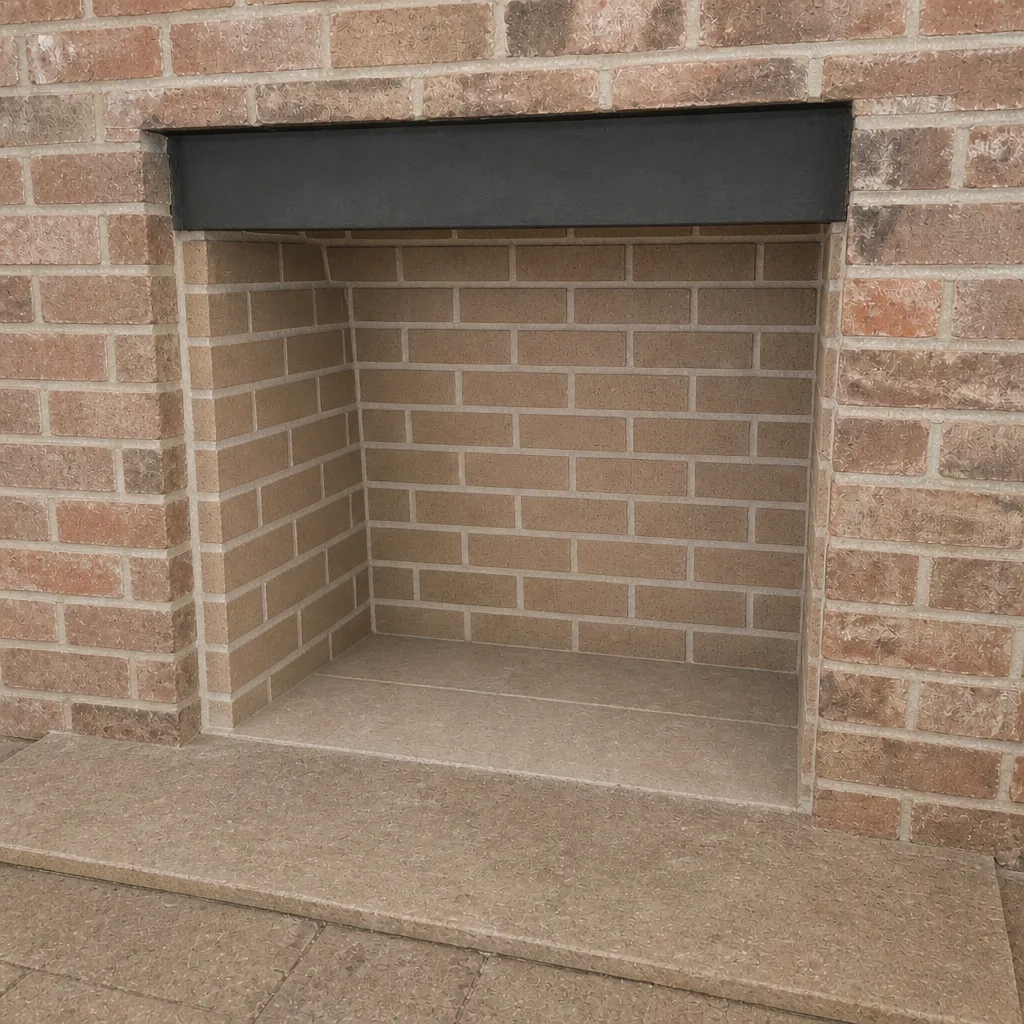
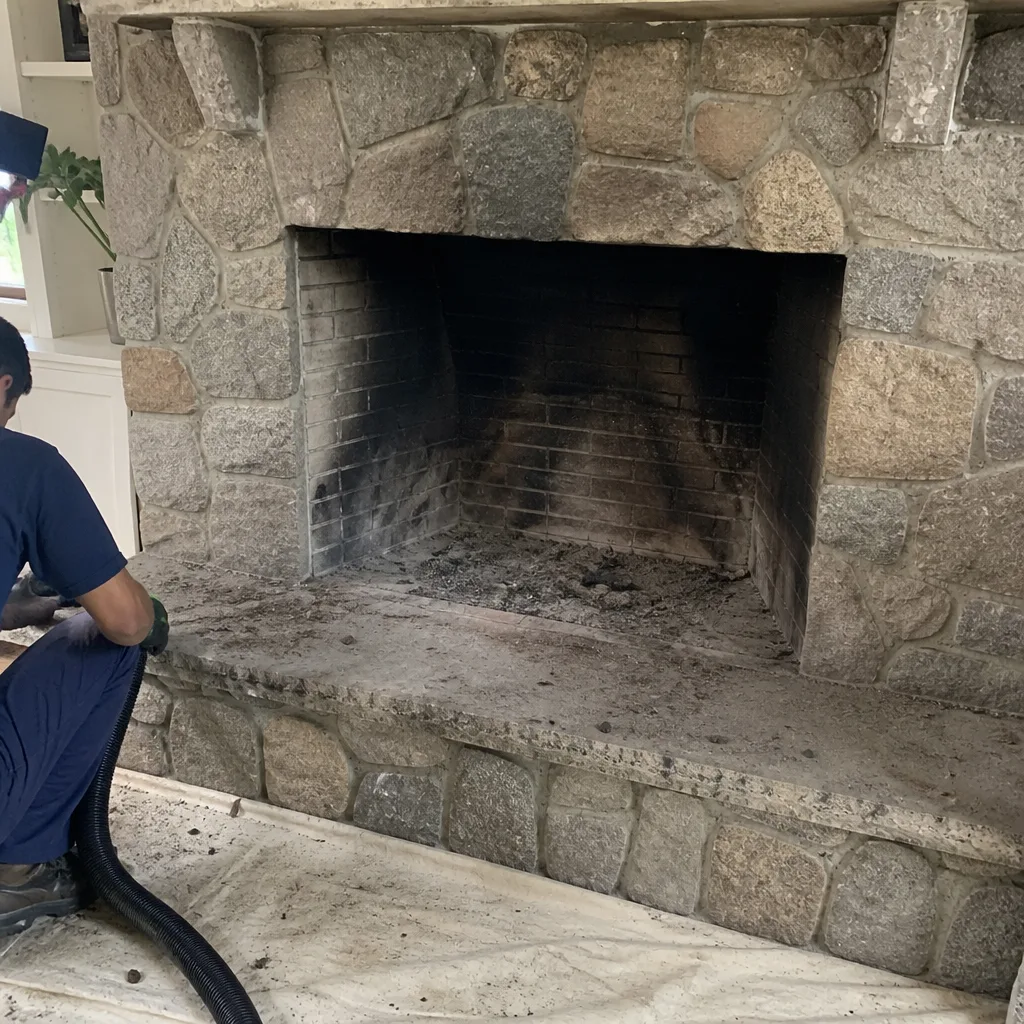
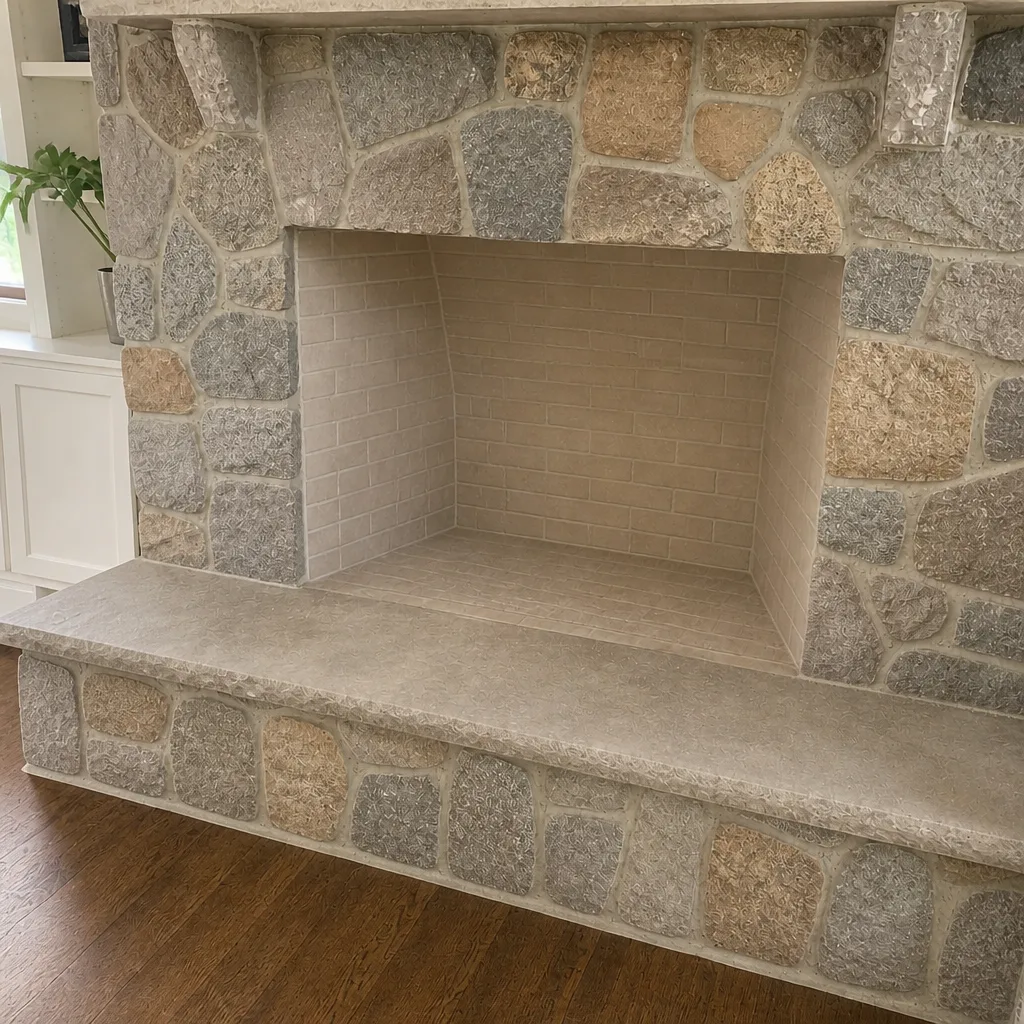
See the difference
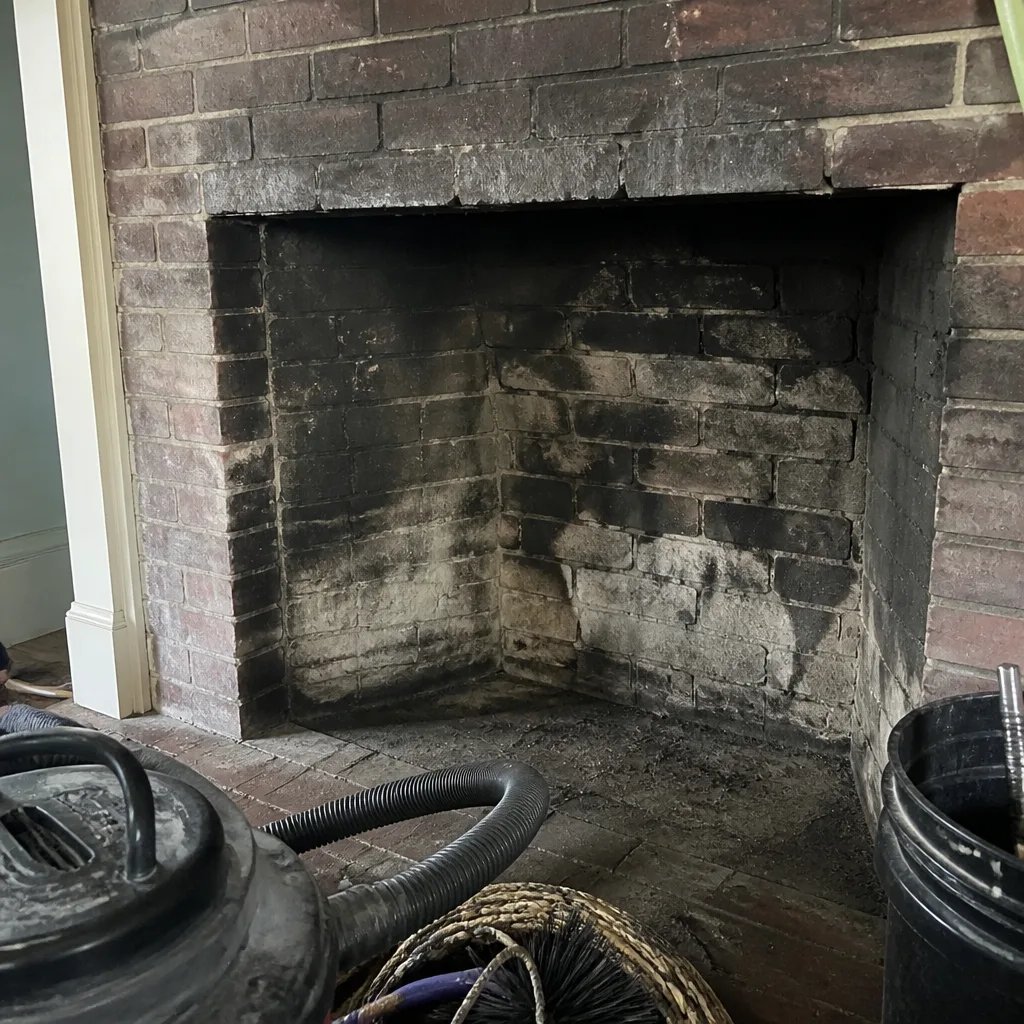 Before
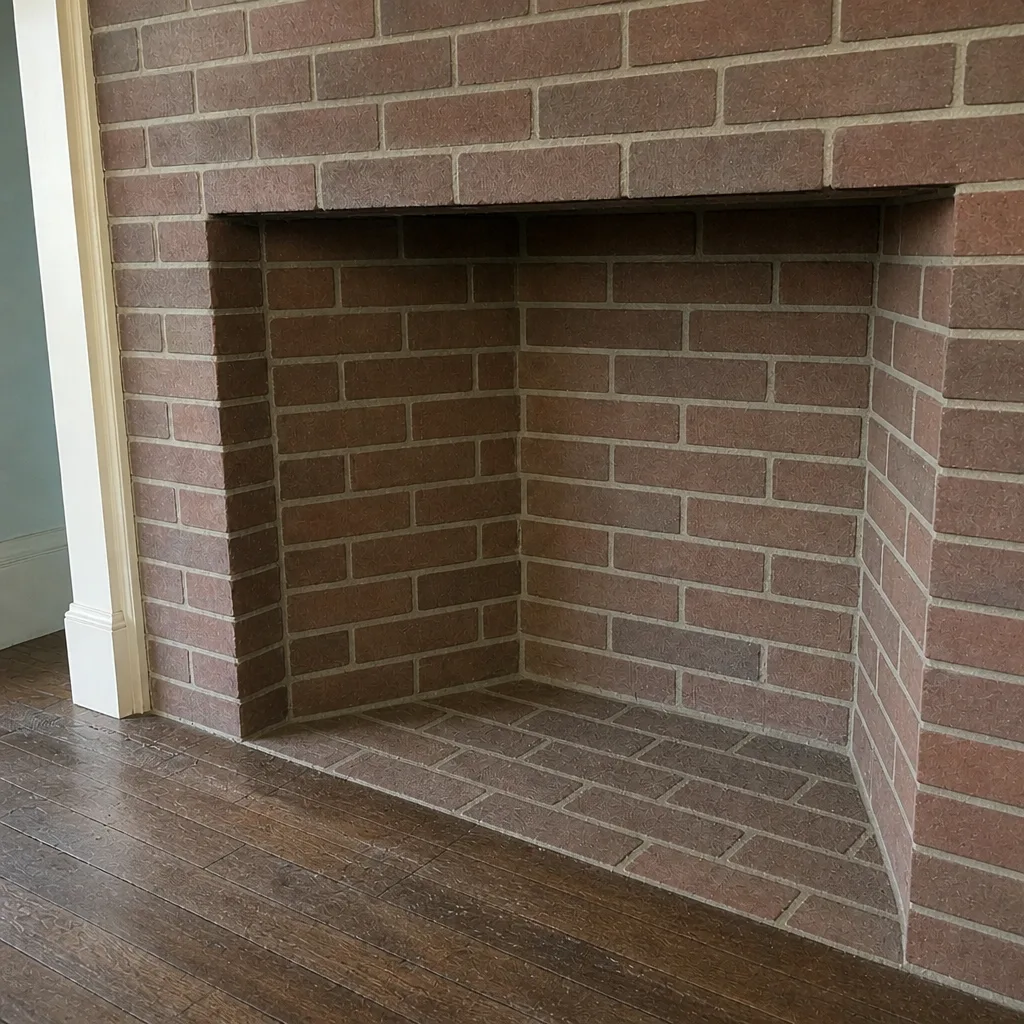 After
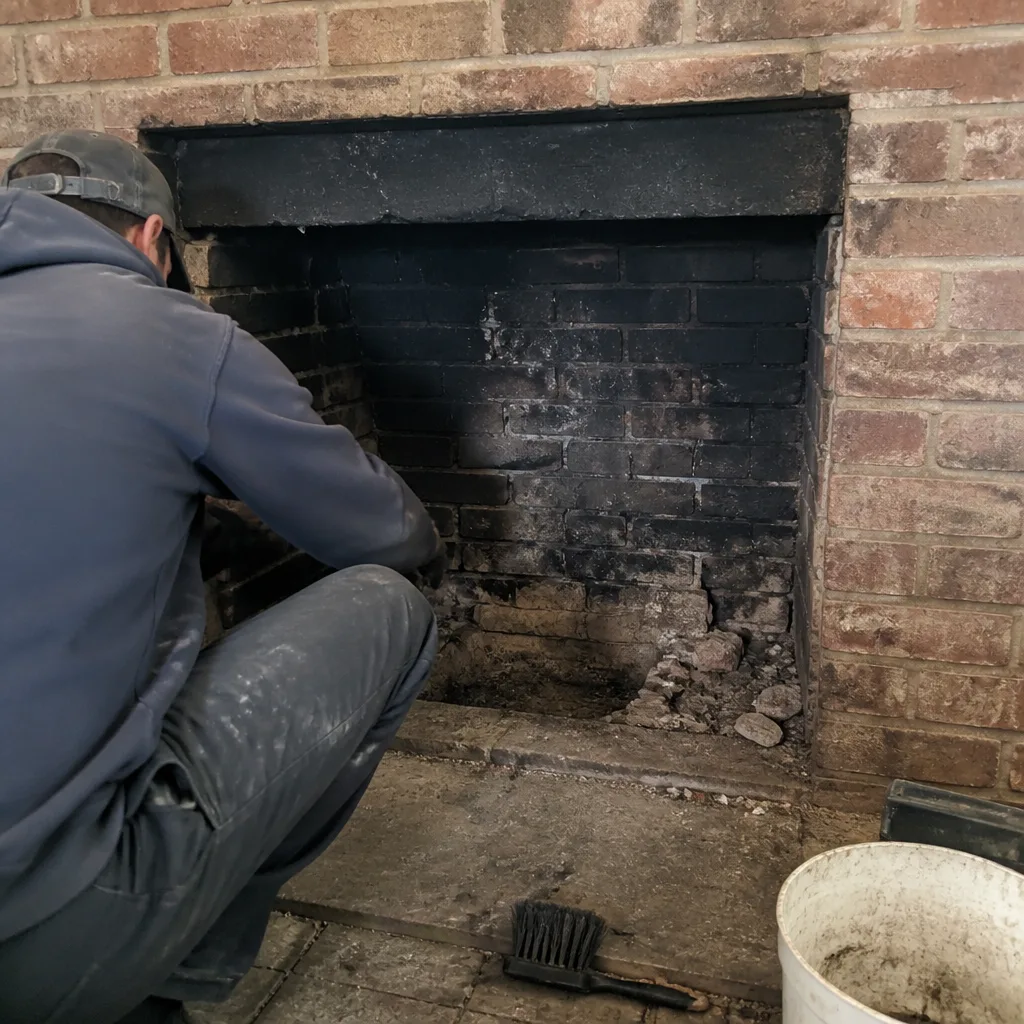 Before
 After
 Before
 After
When to Call a Professional
Some situations clearly call for a professional visit rather than a DIY effort. These include a chimney you’ve never had inspected, a home you’ve just bought, smoke rollback or a weak draft, a stubborn smoke smell with no visible cause, visible cracking in the firebox or flue, a cap or crown that looks damaged, or any suspicion of a past chimney fire. If the chimney is unlined, or you’re not sure, that’s a call. If your home was built before roughly 1970 and there’s no documented inspection, that’s another. When some or all of those apply, scheduling a professional visit is the right move. Chimney Sweep Suffolk offers free estimates in Suffolk. Call (866) 361-9861 for an exact quote on a sweep, inspection, or repair.
Frequently Asked Questions
You can remove loose soot from accessible sections of a straight flue with a consumer brush kit, and that’s genuinely useful between visits. What you can’t do is inspect the liner, mortar joints, smoke chamber, or flashing, which is where most real problems live. In an older chimney, DIY alone is not the same as a professional visit.
Chimney cleaning pricing is set per job by a written estimate, since flue length, condition, and access all affect what’s needed. The best way to know your specific price is to request an estimate, which is free. Call (866) 361-9861 for an exact quote.
Not necessarily, and you shouldn’t be told otherwise without evidence. A liner only needs replacement when inspection shows it’s compromised: cracked tiles, failed mortar joints, or a flue that won’t perform safely. Camera evidence comes first. In many cases, HeatShield mortar joint restoration can address deterioration without a full replacement, so ask specifically about that option before accepting a replacement recommendation.
Once a year for most households with regular firebox use, and more often for heavy burners. The annual visit combines cleaning with inspection, and the inspection is the part that matters most. If you’ve never had the chimney inspected, schedule one before your next burn season rather than waiting for the annual cycle to catch up.
A liner crack or failing mortar joint can go unnoticed for years, letting heat and gases reach where they shouldn’t. This is the reason a professional inspection is standard practice rather than an optional upsell. A homeowner who brushes but never inspects is missing the part of the work that catches problems early. Call (866) 361-9861 to schedule an inspection and see exactly what’s in your flue.
Yes, and it’s the approach we recommend for most homeowners. Handle accessible debris, keep the firebox clear, and monitor the cap, but have a professional do the annual inspection and deep cleaning. That structure gets the cost savings of DIY without putting the inspection at risk. If a problem is found, address it before it compounds.
The Bottom Line
DIY chimney cleaning is a real tool, and there’s a legitimate place for it. What it isn’t is a substitute for professional inspection. In Suffolk’s older housing stock, the inspection component is where the actual value of a professional visit sits, and it’s what catches liner cracks, failing mortar joints, and smoke chamber problems before they become fires. The right approach is a hybrid: homeowner maintenance between visits, professional inspection and deep cleaning once a year, and repairs handled by a specialty company that works with the right materials. If you’re ready to establish a baseline or keep your annual visit on schedule, call (866) 361-9861. We answer 24/7. Fast dispatch from 7am to 7pm, Sunday through Friday.
Written by the team at Chimney Sweep Suffolk.