
Last updated November 15, 2026
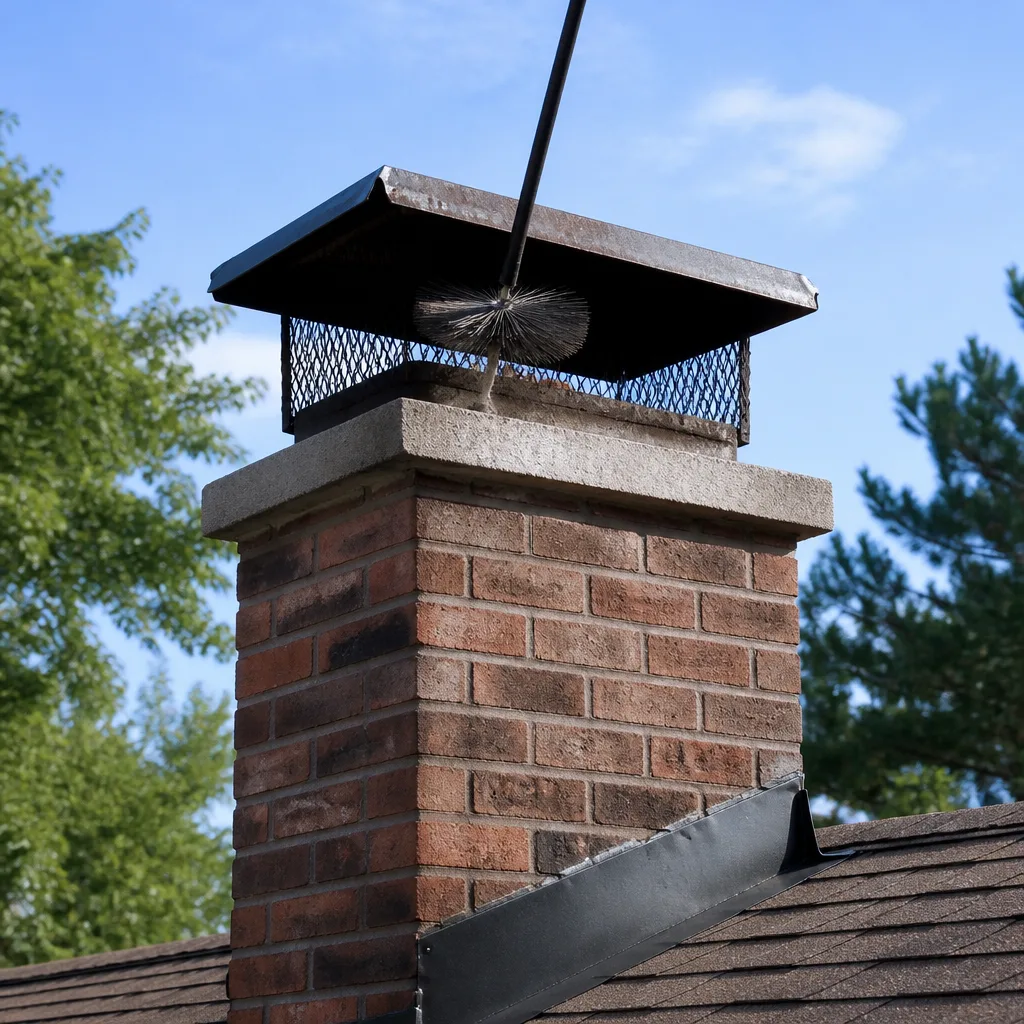 Sweep & inspection
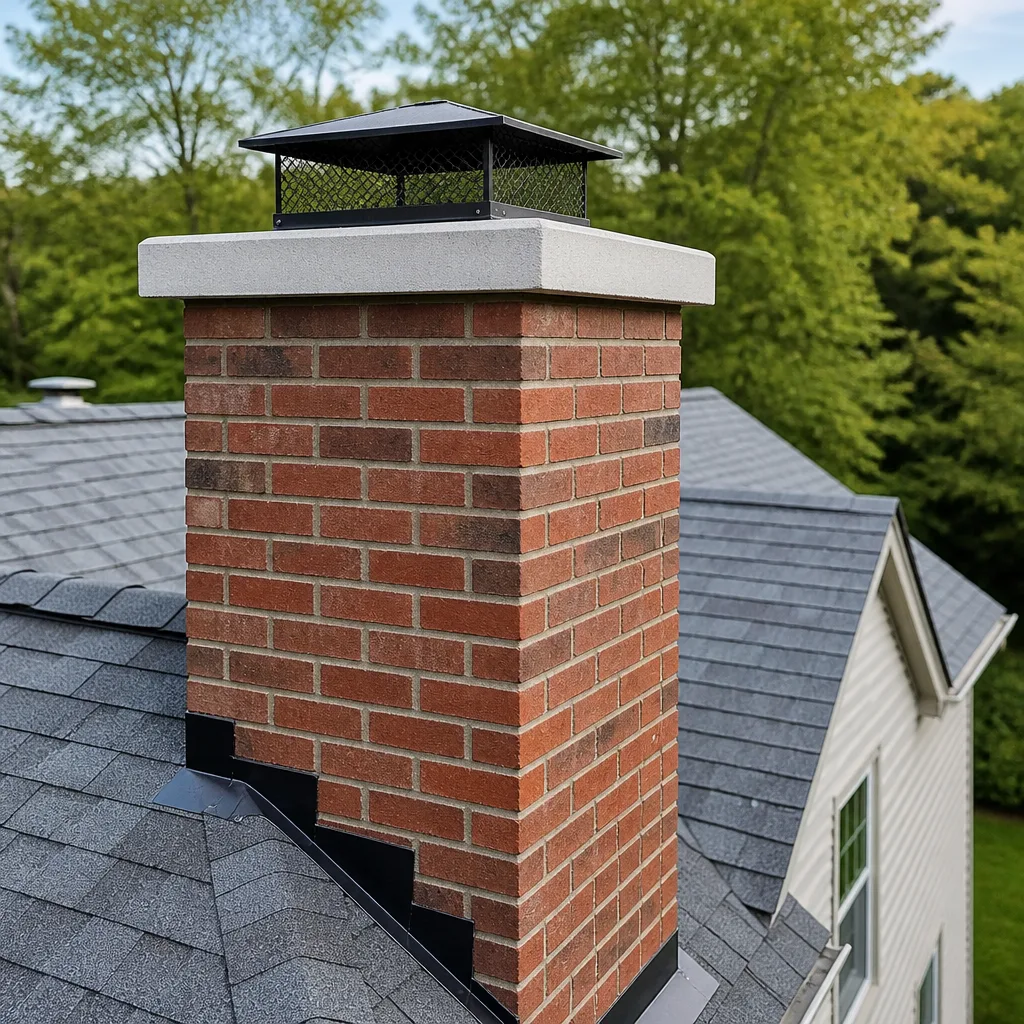 Caps & crowns
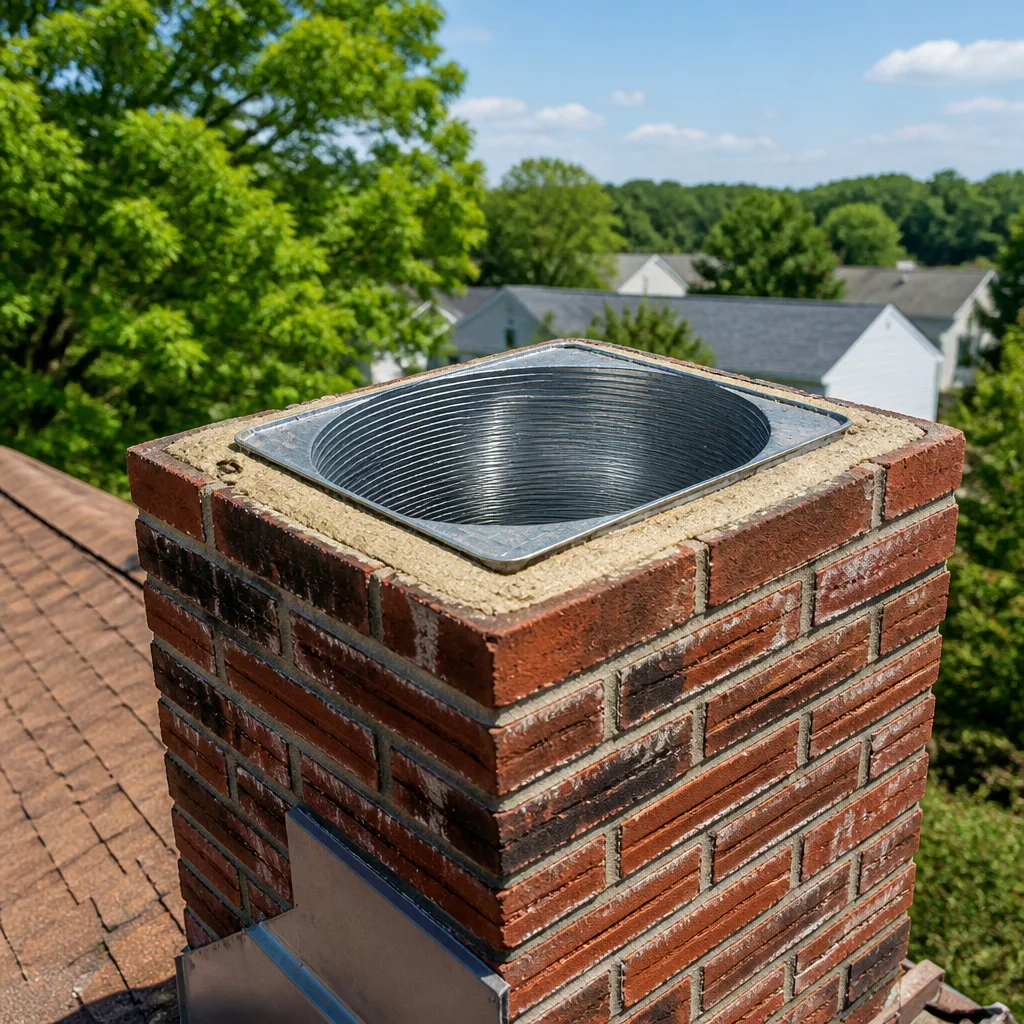 Flue relining
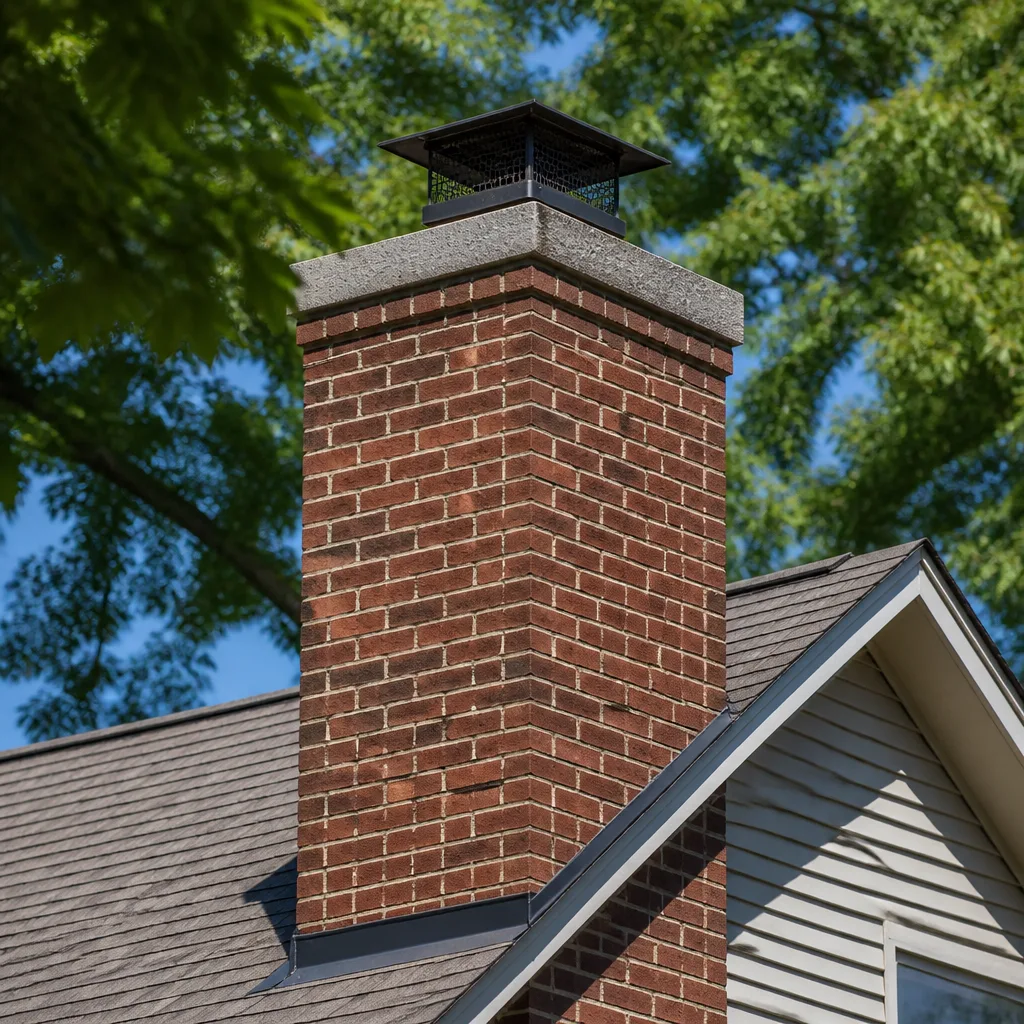 Masonry repair
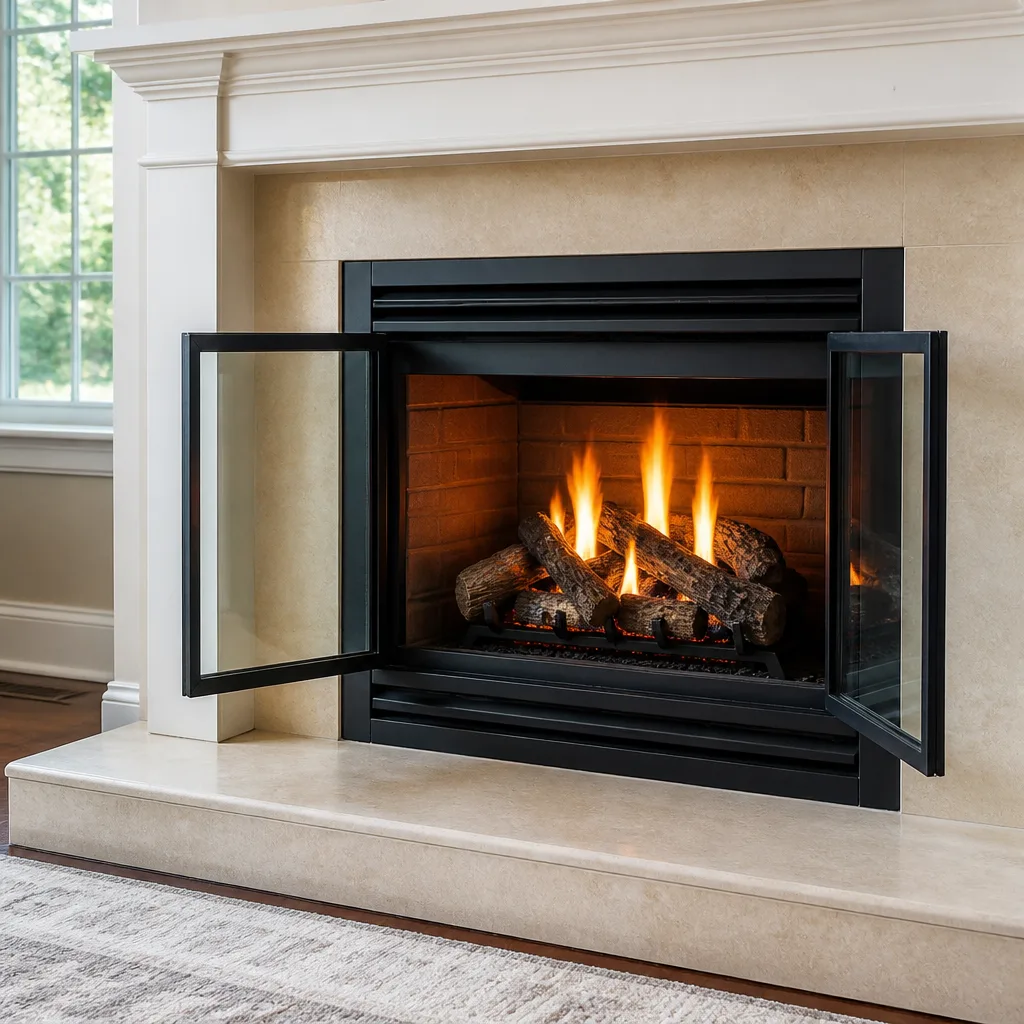 Gas fireplace service
Level 1 sweep and inspection to the NFPA 211 annual standard - flue, crown, cap, and flashing checked and photographed
Chimney sweep logs do not sweep chimneys. They loosen some creosote - which then falls where a brush and vacuum still have to collect it.
The Complete Guide to Chimney Cleaning in Suffolk
Most chimney guides describe a flue that doesn’t exist in most Suffolk homes. They picture a dry, cold climate and a straight run of pipe where soot falls neatly into a waiting vacuum. What we actually find when we open a firebox in Suffolk is different. The humidity here sits high for months, and that changes how creosote forms, how it clings, and how much of it a single brush pass leaves behind. Red clay runoff from heavy summer thunderstorms works its way into masonry crowns and mortar joints. Older brick flues and newer factory-built metal systems fail in completely different ways.
This guide maps the full cleaning process to what actually happens inside Suffolk chimneys, so you know what “clean” should mean for your fireplace.
Quick Answer
Chimney cleaning in Suffolk means removing creosote, soot, and debris from the flue, firebox, and smoke chamber, followed by a Level 1 inspection of the visible and accessible parts of the system. Most wood-burning fireplaces need it once a year, but Suffolk’s humidity speeds creosote buildup and heavy mixed-wood burning can push that to twice a year. A proper cleaning ends with a documented inspection, not just a technician’s word that things look fine.
Styles & brands we work with
- Sweep & inspection
- Caps & crowns
- Flue relining
- Masonry repair
- Gas fireplace service
Table of Contents
- Why Suffolk Chimneys Are Different
- How Creosote Stages Change the Cleaning Job
- Brick and Clay Tile vs. Factory-Built Metal Flues
- What a Real Chimney Cleaning Involves
- What a Level 1 Inspection Should Document
- When One Annual Sweep Isn’t Enough
- How to Verify the Cleaning Was Done Right
- What Chimney Cleaning Costs in Suffolk
Why Suffolk Chimneys Are Different
Suffolk sits on clay-heavy soil and gets the kind of humid summers that keep moisture in the air well into the evening. That combination has a direct effect on what happens inside your chimney between seasons. Moisture doesn’t just sit in the flue; it cycles. Overnight condensation forms on the cooler chimney surfaces, then dries during the day, then forms again. Every cycle softens the bond between creosote deposits and the flue wall, and every cycle also attacks the mortar itself.
The housing stock adds another variable. Suffolk has a real split between established neighborhoods with older brick masonry chimneys and newer construction that leans on factory-built metal fireplaces. Those two systems don’t age the same way or need the same cleaning tools.
What that means in practical terms:
- Humidity moves creosote faster. The sticky, glazed stages of creosote form sooner here than in dry inland climates because the moisture helps deposits bond to the flue wall.
- Red clay runoff stains and erodes. Heavy rain sends clay-laden water down masonry crowns and shoulders, and where that water finds a crack it starts working at the mortar.
- Mixed housing means mixed methods. A brush that’s right for a clay tile flue is wrong for a metal prefab liner, and vice versa.
- Seasonal swings. The burning season runs roughly late fall into spring, and the spring-to-fall gap is when moisture does its quietest damage.
None of this means Suffolk chimneys are doomed. It means the cleaning and inspection have to account for moisture and for the specific flue type in your home, which generic national guides usually skip. Our chimney sweep service is built around exactly that distinction.
How Creosote Stages Change the Cleaning Job
Creosote is the residue left when wood smoke cools before it leaves the flue. It comes in stages, and the stage determines how much work the cleaning takes. In Suffolk, the humid air tends to push deposits toward the harder stages faster than you’d expect in a drier climate. Here’s how the stages behave.
- Stage 1: soot and light flaky creosote. This is the easiest to remove. It brushes off cleanly. It’s what you see after a season of burning well-seasoned wood with good draft.
- Stage 2: hardened, brittle, crunchy deposits. These cling to the flue wall and need more aggressive mechanical action. The humidity here helps this stage develop because moisture keeps attacking the bond and re-forming it in a thicker layer.
- Stage 3: glazed, tar-like creosote. This is the most stubborn and the most concerning. It’s dense, shiny, and burned onto the surface. It can’t always be removed by a standard brush and may need rotary tools or chemical treatment.
Stage 3 creosote is the one that matters most for safety. A heavy glazed layer restricts draft and gives sparks and embers more fuel to catch. A flue with significant Stage 3 buildup is often the one that will need a chimney repair conversation if the liner has already been compromised.
What we’ve learned working in Suffolk is that the in-between of Stage 1 and Stage 2 arrives sooner than a lot of homeowners expect, especially when the fireplace is used heavily in a home that also stays damp in summer. That matters for how often the sweep should happen. If you burn a moderate amount of wood in a typical year, one annual cleaning is usually the baseline. If you burn a lot, or you’re burning wood that hasn’t fully seasoned, the timing changes.
Brick and Clay Tile vs. Factory-Built Metal Flues
The cleaning method has to match the flue. Treating a factory-built metal fireplace like a masonry chimney is one of the most common ways a cleaning goes wrong, and in Suffolk we see both construction types regularly. Established neighborhoods often have classic brick chimneys with clay tile liners. Newer builds often have a metal prefab firebox and flue. Here’s how they differ.
Older brick-and-clay-tile chimneys
Clay tile liners are common in Suffolk’s older homes, and they hold up well as long as the mortar joints between tiles stay intact. The problems come when they don’t. Humid air plus freeze cycles plus normal use can loosen joints over time. A cleaning here has to include a check for cracked or spalled tile and open mortar joints. If the liner is failing, we may talk about a HeatShield application to restore the joints. HeatShield is a trade-grade liner restoration product that addresses deteriorating mortar joints without requiring a full liner replacement. It’s a mid-tier option that most sweep-only operators can’t offer, and it can make sense when the tile itself is mostly sound.
Factory-built metal flue systems
Metal prefab systems are lighter and thinner. They have to be cleaned with the right brush for the liner material, because the wrong one can scratch or damage the inner surface. Aged flues with offsets and bends are also a case where a flexible liner system like DuraFlex comes into play if a liner needs replacement. Rigid components can’t navigate a flue that turns, but a flexible stainless liner can follow the path. The key point is that the cleaning and the inspection have to identify exactly which flue you have before any work starts.
If you’re not sure which type you have, that’s one of the things an inspection will tell you. The Suffolk service area covers both construction types, and the method changes based on what we find.
What a Real Chimney Cleaning Involves
A proper chimney cleaning is a documented process, not a quick brush. Here’s the sequence we follow when we clean a chimney in Suffolk.
- Protect the room. Drop cloths and a sealed work area keep soot off floors, furniture, and walls. This is basic and it’s often skipped.
- Open the firebox and inspect the damper. We check the damper for operation and fit, and note any gaps or rust.
- Sweep the flue with the right tool for the flue type. A rotary brush or standard brush is chosen based on whether the flue is masonry tile or metal. The brushing runs top-down or bottom-up depending on access and configuration.
- Clean the smoke chamber and smoke shelf. These areas collect creosote and debris and are easy to overlook. The smoke shelf in particular traps material and affects draft.
- Vacuum and clear the firebox. Commercial venting vacuums keep dust out of the room and clear loose soot.
- Run a Level 1 inspection. Before we pack up, we do the visual inspection of the accessible parts of the system and document what we see.
- Show you the findings. Photos and notes, not just a verbal “all good.” If anything needs attention, we show you what it is and explain what the options are.
The point of that last step is simple. You shouldn’t have to take a technician’s word for it. The evidence should be something you can see and understand.
What a Level 1 Inspection Should Document
A Level 1 inspection is the standard inspection that goes with a routine cleaning. It’s a visual check of the readily accessible parts of the chimney and venting system. The phrase “readily accessible” is doing a lot of work here, so it helps to know exactly what should be looked at and noted.
- The firebox: condition of the brick or fireback, any cracks, gaps, or loose material.
- The damper: operation, fit, and sealing.
- The smoke chamber and shelf: buildup, condition of the surround.
- The flue: creosote level, any visible cracks, spalling, gaps in tile, or misaligned sections.
- The chimney crown and cap: cracks, missing or damaged cap, condition of the crown surface where water can get in.
- The exterior: visible cracks in the masonry, condition of the flashing, and signs of moisture intrusion.
- The appliance and connector: if there’s an insert or stove, the connection to the flue and any visible issues with the stovepipe.
A Level 1 inspection is not a full camera inspection of every inch of the flue or a full exterior assessment of the whole structure. If the Level 1 turns up something concerning, or if you’re buying a home or have had a chimney fire, a higher level of inspection is warranted. The important thing is that the Level 1 should come with written or photographed findings, not just a green light.
When One Annual Sweep Isn’t Enough
Once a year is the baseline for most Suffolk homes with a wood-burning fireplace that sees regular but moderate use. It isn’t enough in every case. The industry standard is to clean when the creosote layer reaches about 1/8 inch. That’s thin, and it builds faster than most people assume. Here’s when to move to twice a year.
- You burn green or unseasoned wood. Wood that hasn’t had time to dry burns cooler and produces more creosote per cord. If your wood sizzles or feels heavy when you split it, it’s adding to the problem.
- You burn mixed wood. Softwoods and varied loads create more deposits than a steady diet of dry hardwood. If your woodpile is a mix of whatever’s available, plan on more frequent cleaning.
- You burn heavily. A fireplace used most evenings through a long heating season will accumulate deposits faster than one used on occasional cold nights.
- You notice draft problems or smoke rollback. Smoke spilling into the room instead of going up is a sign the flue is restricted. That’s a reason to clean and inspect sooner, not later.
- You’ve had a previous chimney fire. Even a small one can crack tiles or damage the liner. That’s an inspection reason, and it may lead to repair.
- The house is older and the flue has been neglected. If you don’t know the last time it was cleaned, treat the first cleaning as an evaluation and set a schedule from there.
If you’re in any of those categories, it’s worth having the chimney opened up and assessed before the next burning season. Our technicians have up to 12 years of experience and can tell you honestly whether once a year is enough or whether your burning habits and flue type call for more.
How to Verify the Cleaning Was Done Right
You can verify a proper cleaning using the CSIA inspection standard and a few simple checks, even if you’ve never looked up a flue before. The CSIA has inspection levels (Level 1, Level 2, Level 3) and a code of ethics that set expectations for what a sweep should report. Here’s how to use that.
- Ask which level of inspection was performed. A routine cleaning should include a Level 1. If you’re told it was done but not which level, ask.
- Ask for the findings in writing or in photos. A real inspection produces documented notes. Photos of the crown, cap, firebox, damper, and flue are standard.
- Look at the flue yourself. With a flashlight and the damper open, you can see the smoke chamber and the lower flue. You should see no loose flakes of creosote and no obvious glazing you can feel with a gloved hand. If you can still chip off material, it isn’t clean.
- Check the firebox and smoke shelf. Those should be swept clean, not just dusted. The smoke shelf should be clear of debris.
- Confirm the cap and crown. If the cap is missing or the crown is cracked, that’s a finding that should be in the report.
- Ask what was checked outside. A Level 1 covers accessible visible parts, including exterior cracks and flashing, in many scopes. If there was no exterior check at all, ask why.
If a sweep can’t answer basic questions about level and documentation, that’s a sign to look elsewhere. Our inspection service is offered as its own appointment so you can get an honest read even without a cleaning, and we don’t recommend work you don’t need.
What Chimney Cleaning Costs in Suffolk
Pricing for chimney cleaning in Suffolk depends on the flue type, the level of buildup, and whether any repairs are needed. A standard cleaning is the baseline, and the estimate is always set by the written quote before any work starts. Here’s how the jobs typically break down.
- Standard cleaning (Level 1 inspection included): the base job, priced by estimate based on the flue and access.
- Heavy Stage 2 or Stage 3 creosote: more time and more aggressive tools, priced higher based on the assessment.
- Factory-built metal flue vs. masonry flue: the method differs and the estimate reflects it.
- Insect or animal nests, or a blocked flue: removal adds to the job.
- Repair or liner restoration, if needed: quoted separately after the inspection findings.
There’s no service-call fee or diagnostic charge to worry about. We give you a free estimate and a flat price for the job, and the written estimate is the final word. If the inspection finds a problem, we tell you what it is and what it would take to fix it. If it can safely wait, we say so.
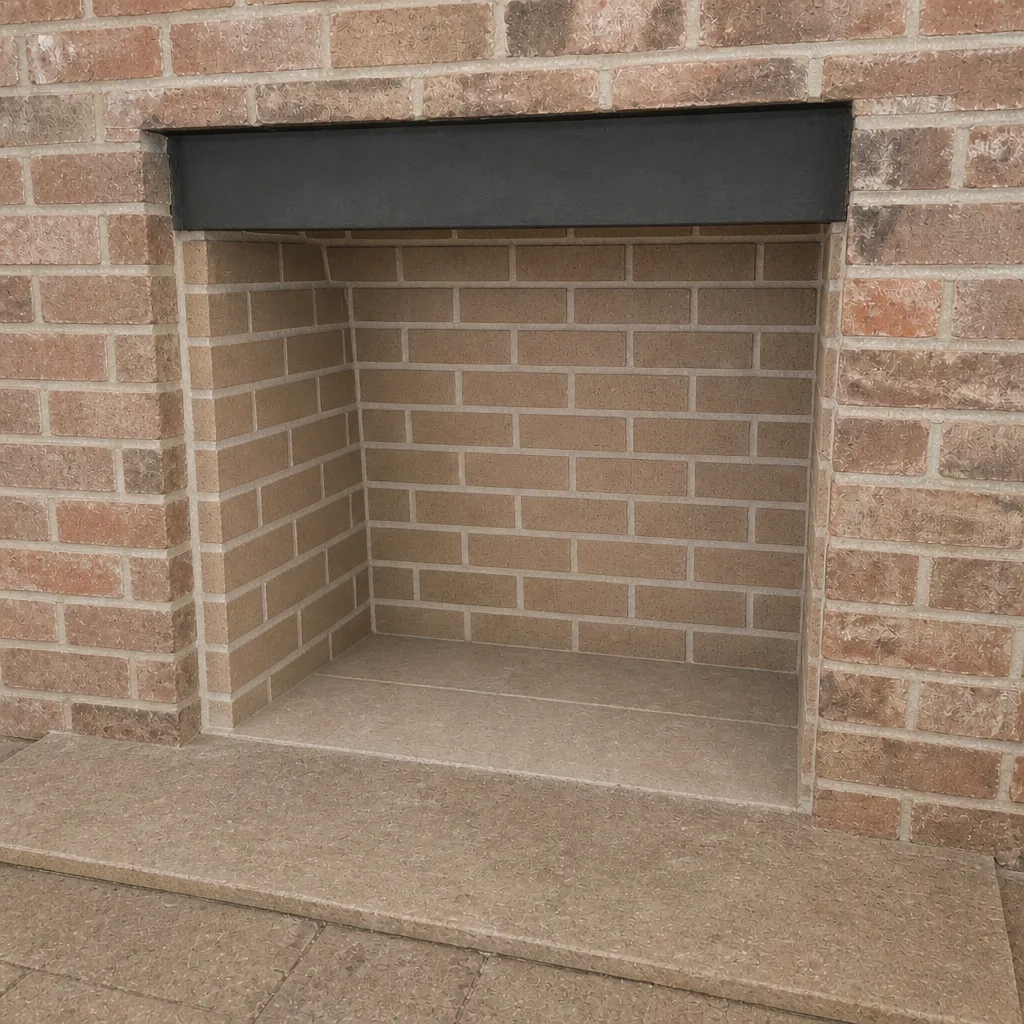
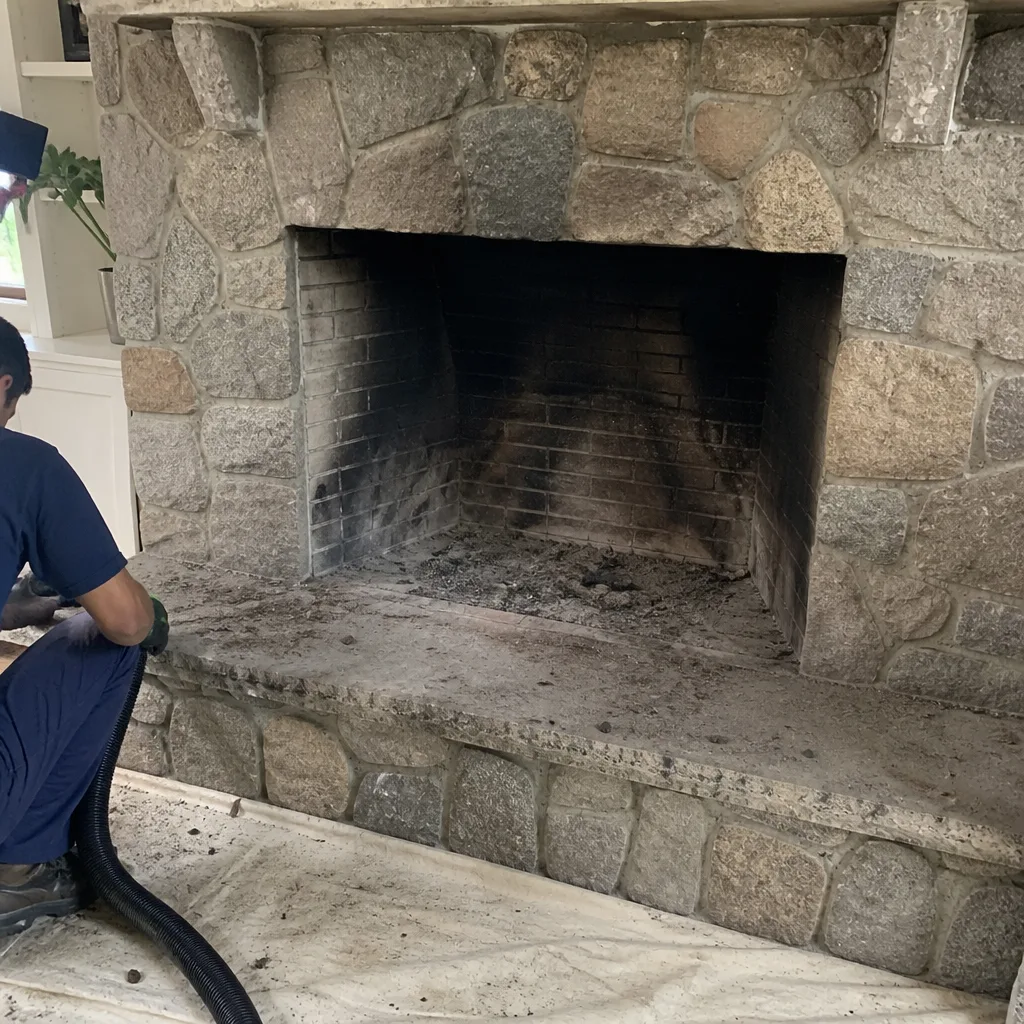
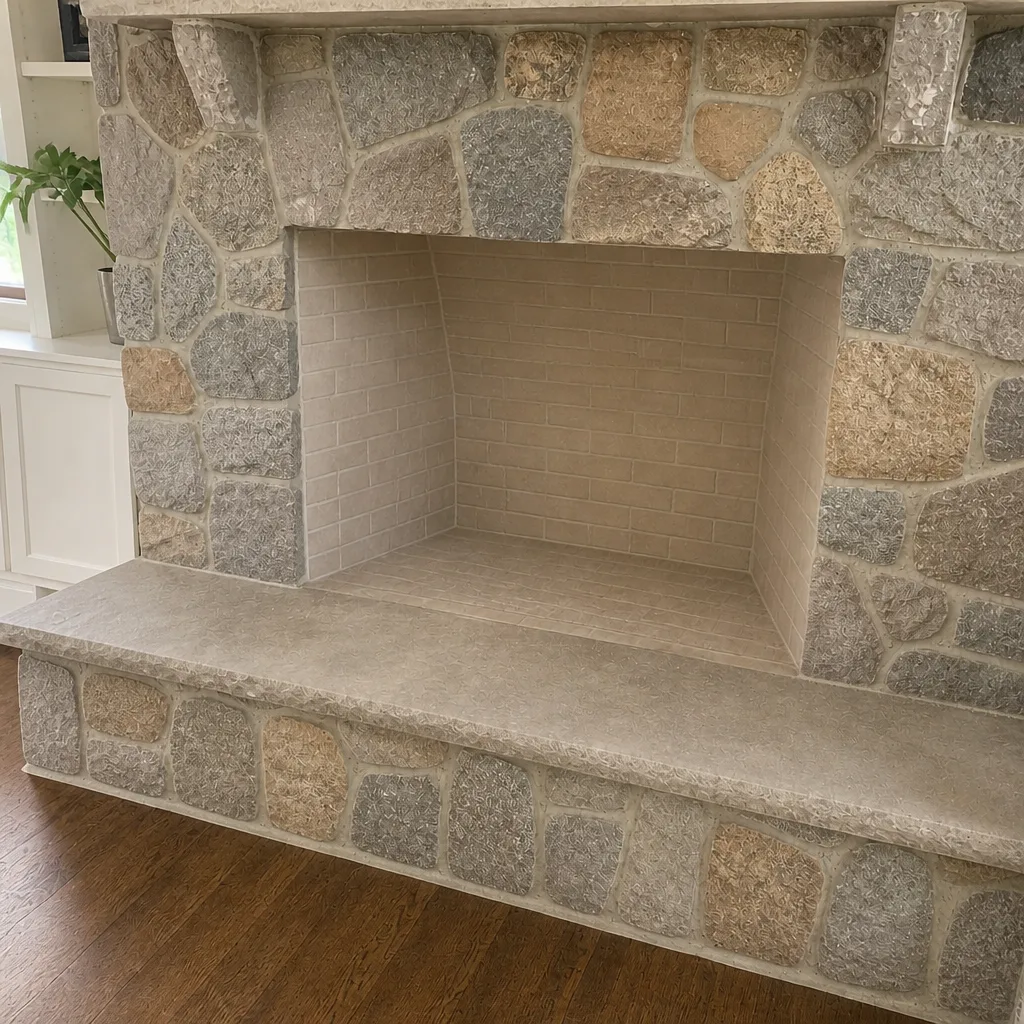
See the difference
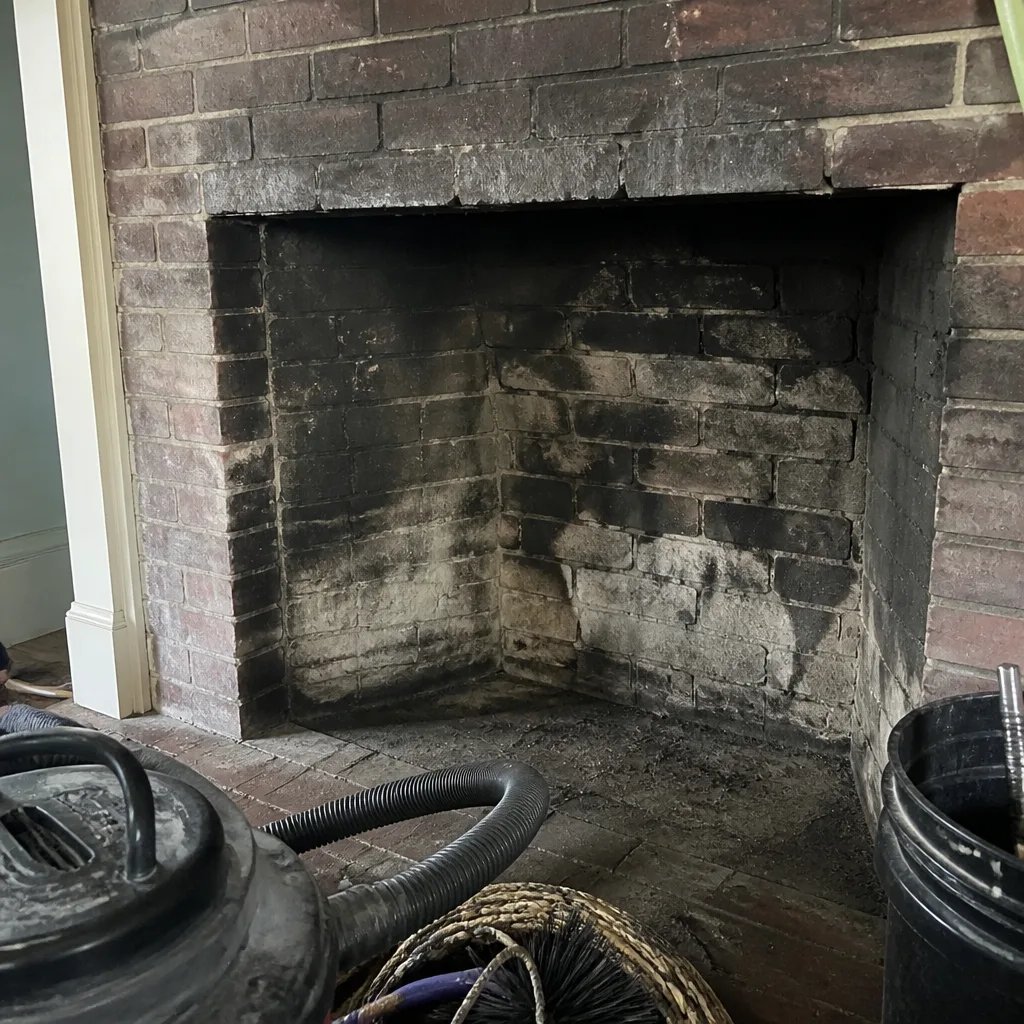 Before
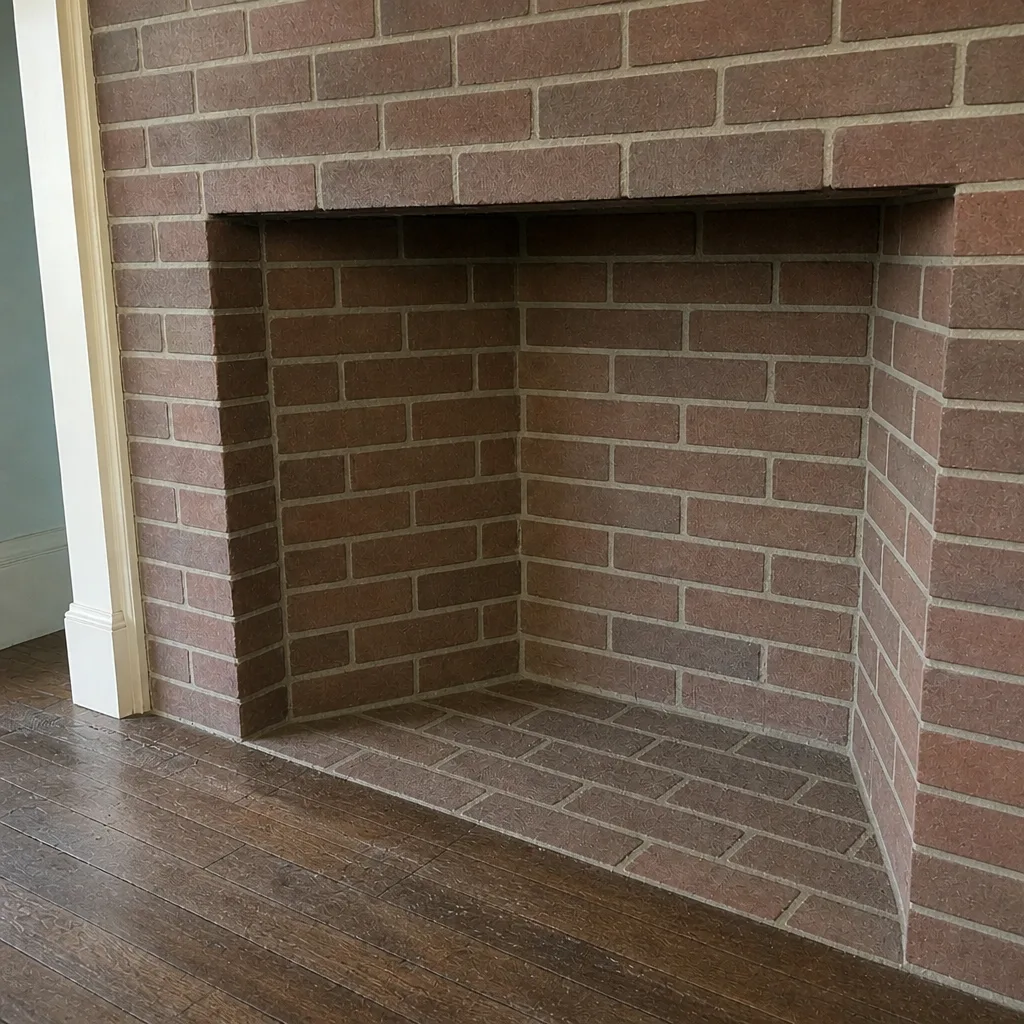 After
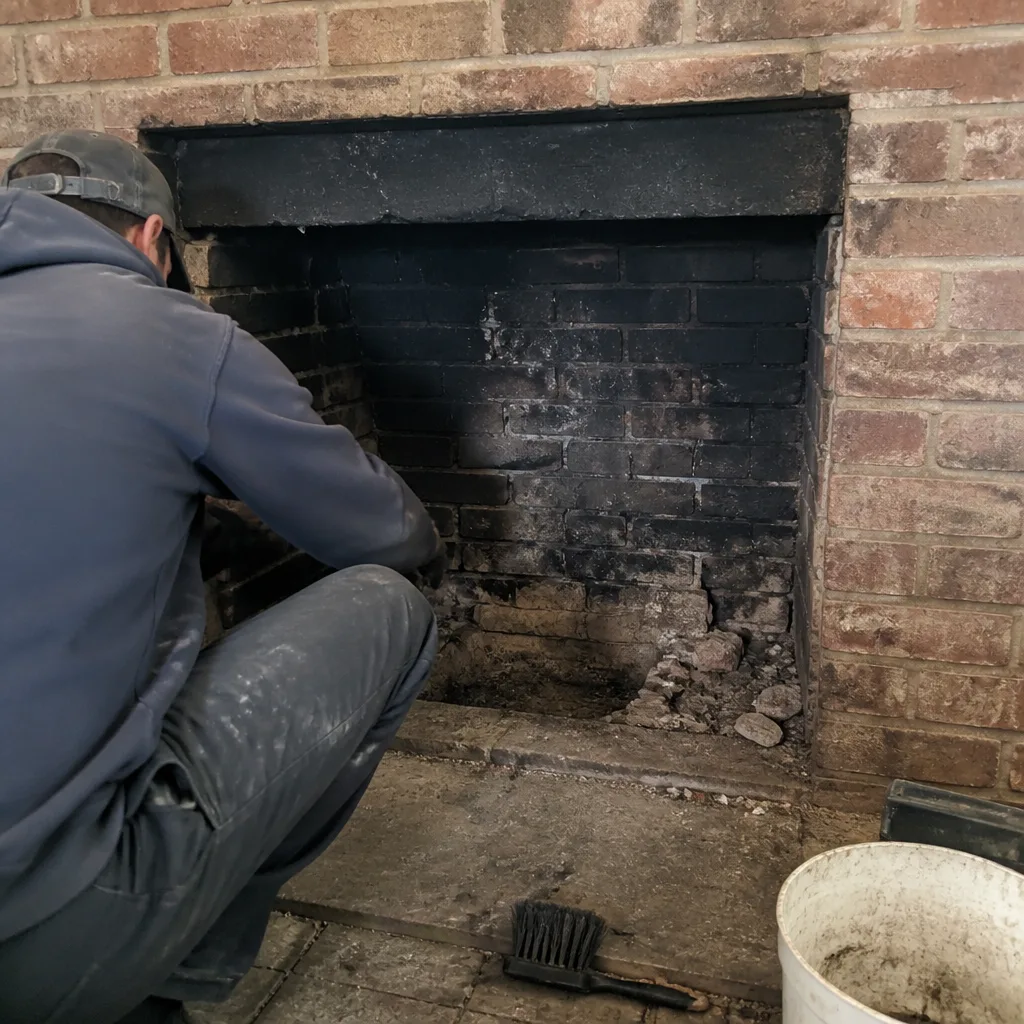 Before
 After
 Before
 After
Common Mistakes to Avoid
- Hiring a generalist with a brush. A handyman who takes chimney calls on the side may not know the difference between a clay tile flue and a metal prefab liner. The wrong brush damages the wrong flue, and in Suffolk we see both types in the same neighborhood.
- Assuming the cleaning also covers the inspection. A sweep that doesn’t produce a documented Level 1 finding is only doing half the job. Ask for the report.
- Ignoring the crown and cap. Red clay runoff needs somewhere to go, and a cracked crown sends it into the masonry. A visual check of the crown should be part of every cleaning.
- Burning green or wet wood. It’s the fastest way to go from Stage 1 to Stage 2 creosote, and it undermines the point of a yearly sweep. Seasoned wood burns cleaner.
- Skipping the sweep because the fireplace “looks fine.” Creosote hides above the damper. The firebox can look clean while the flue is glazed.
- Treating a failed home-sale inspection as a cleaning problem. If a home inspector flagged the chimney, you may need a Level 2 inspection with a camera, not just a sweep. Know which one you’re buying.
- Waiting until the first cold night to book. The busy season fills up. Booking the sweep before the burning season starts is far easier than fitting it in once the fireplace is in use.
When to Call a Professional
Some situations clearly call for a trained chimney professional, not a DIY attempt. If you’ve had a chimney fire, even a small one, call before using the fireplace again. If smoke rolls back into the room, if you smell creosote or soot after a burn, or if you see cracked or missing masonry on the exterior, those are all reasons to have someone look. If you’ve recently bought a home with a fireplace and don’t know its history, or if a home inspector flagged the chimney, book an inspection first. Never go up on a steep roof or try to clear a blocked flue yourself. A professional has the right tools, the training, and the safety equipment.
Chimney Sweep Suffolk offers free estimates in Suffolk. Call (866) 361-9861. We answer 24/7. Fast dispatch from 7am to 7pm, Sunday through Friday. You can also start at our Chimney Sweep Suffolk page to see the full scope of what we handle.
Frequently Asked Questions
A standard chimney cleaning in Suffolk is priced by estimate based on the flue type and the level of buildup, and the written estimate sets the final price. Heavy creosote, a metal vs. masonry flue, or nest removal can change the scope. Call (866) 361-9861 for a free estimate. We answer 24/7.
Once a year is the baseline for a wood-burning fireplace with moderate use. The humid climate here can push creosote toward the harder stages faster, so heavy burners, mixed or unseasoned wood, and older neglected chimneys may need it twice a year. Call (866) 361-9861 for an honest assessment.
High humidity in the summer and fall keeps moisture cycling through the flue and masonry, which speeds up how creosote bonds and settles into Stage 2 deposits and lets water work into mortar joints and crowns. Red clay runoff from heavy rain adds to the wear on masonry crowns and shoulders. That makes an annual sweep and inspection more valuable here than in a dry climate. Call (866) 361-9861 to book.
A cleaning is the physical removal of creosote, soot, and debris. An inspection is the assessment that goes with it. A Level 1 inspection is a visual check of the readily accessible parts of the chimney, and it should come with documented findings. Our inspection is offered as a standalone appointment so you can get an honest read even without a sweep.
A camera inspection, a Level 2 inspection, is warranted when a Level 1 turns up something concerning, when you’ve had a chimney fire, or when you’re buying or selling a home. A standard cleaning includes a Level 1, not a camera run of the entire flue. If the Level 1 findings call for it, we’ll recommend the next step.
Often, yes. We handle chimney sweep, chimney inspection, and chimney repair under one roof, so a problem found during the sweep doesn’t turn into a referral. That covers liner restoration with HeatShield where mortar joints have deteriorated, flexible liner work with DuraFlex where a flue has offsets or bends, and standard masonry and cap repair. Call (866) 361-9861 to talk it through.
Creosote keeps building, draft gets worse, and the risk of a chimney fire rises with the buildup. Moisture also keeps working at the mortar and crown, which leads to more expensive repairs later. Skipping a sweep doesn’t save money; it shifts the cost to repair.
Written by the team at Chimney Sweep Suffolk.