
Last updated November 15, 2026
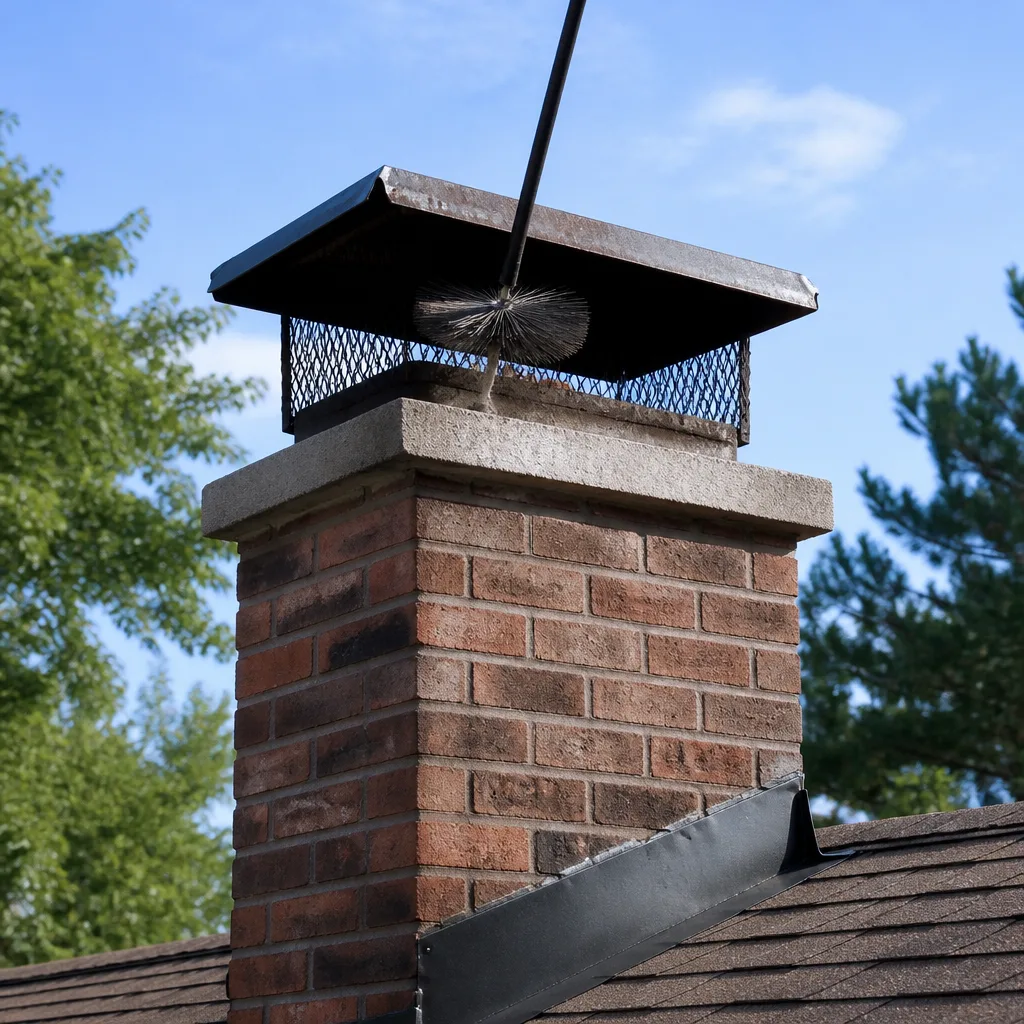 Sweep & inspection
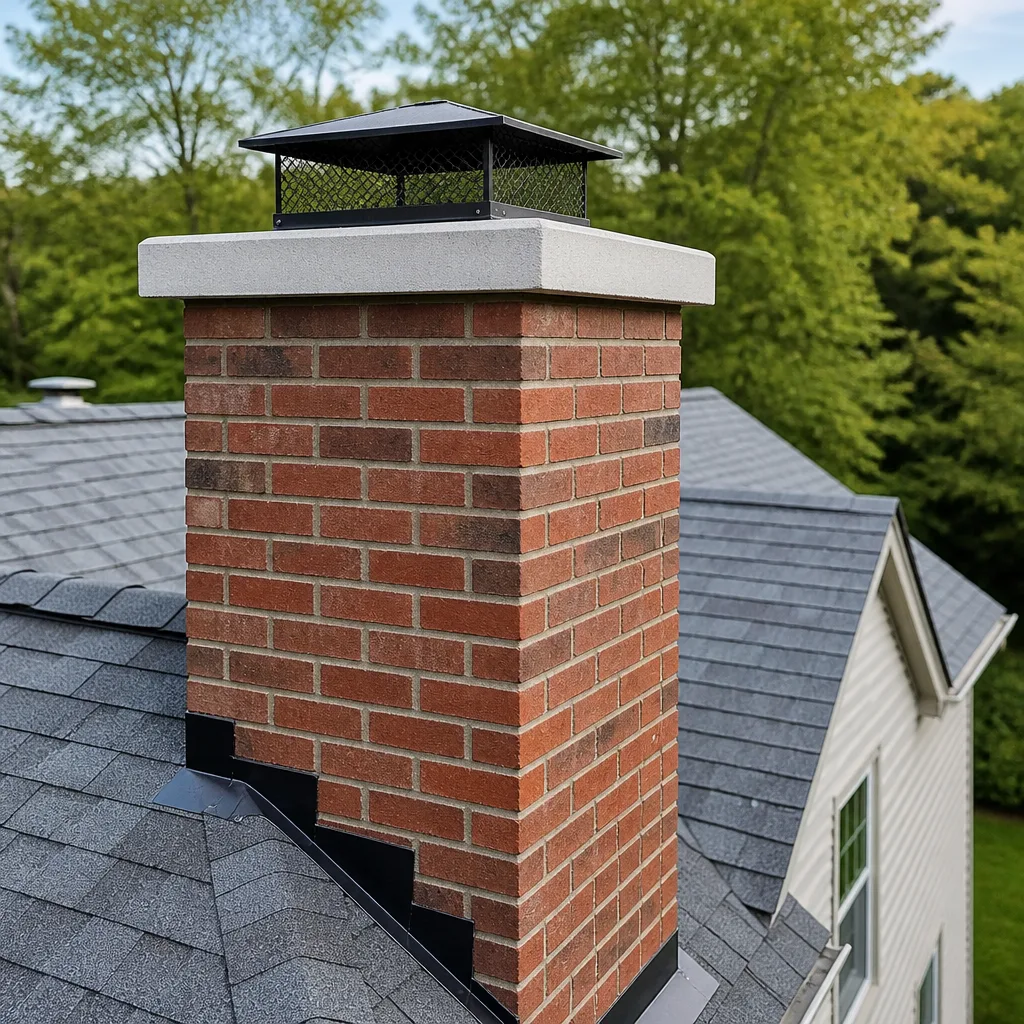 Caps & crowns
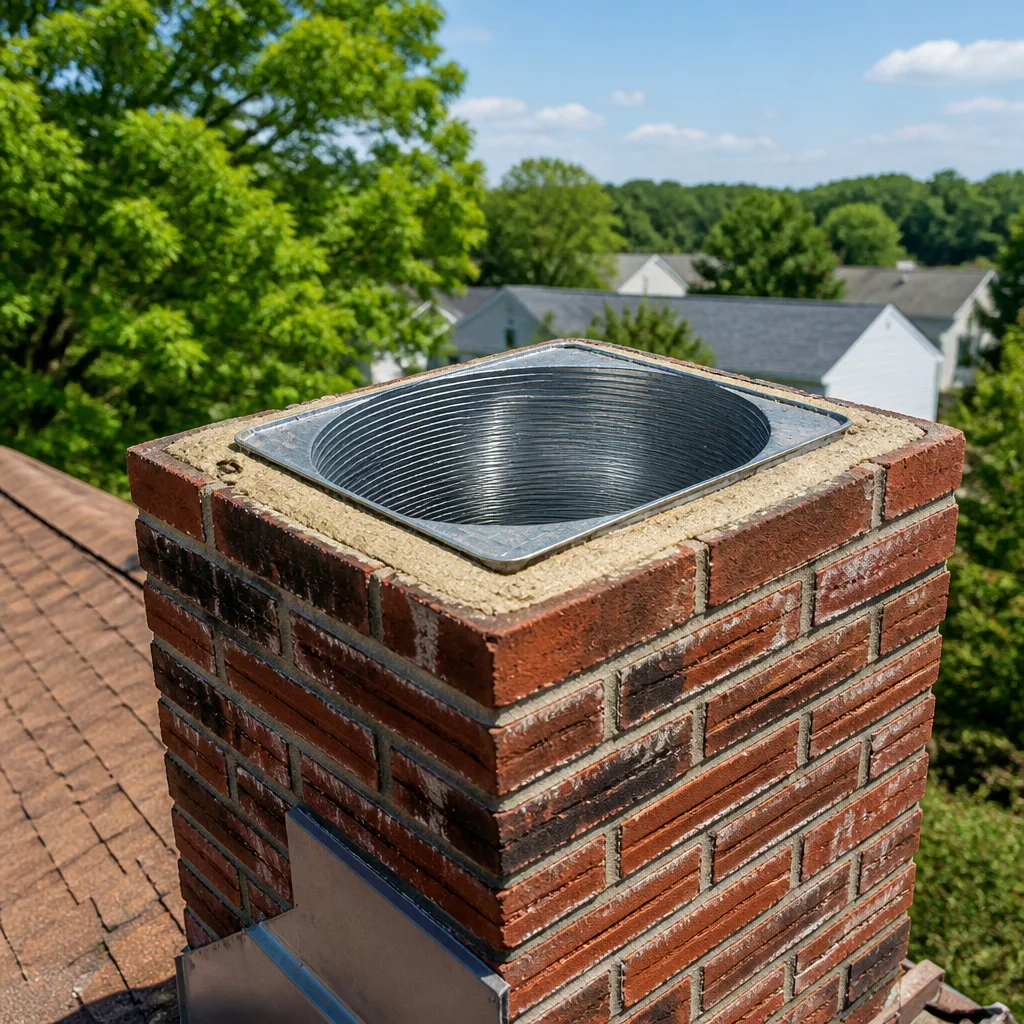 Flue relining
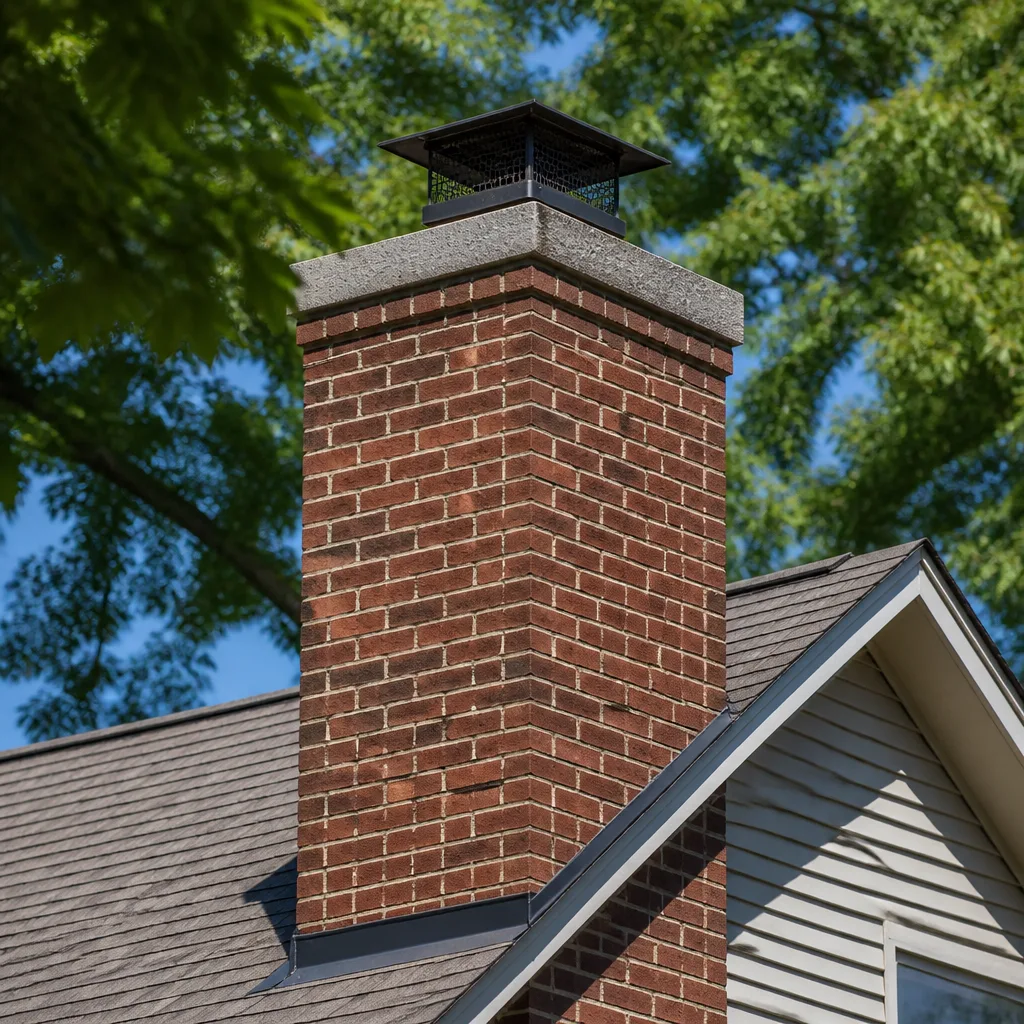 Masonry repair
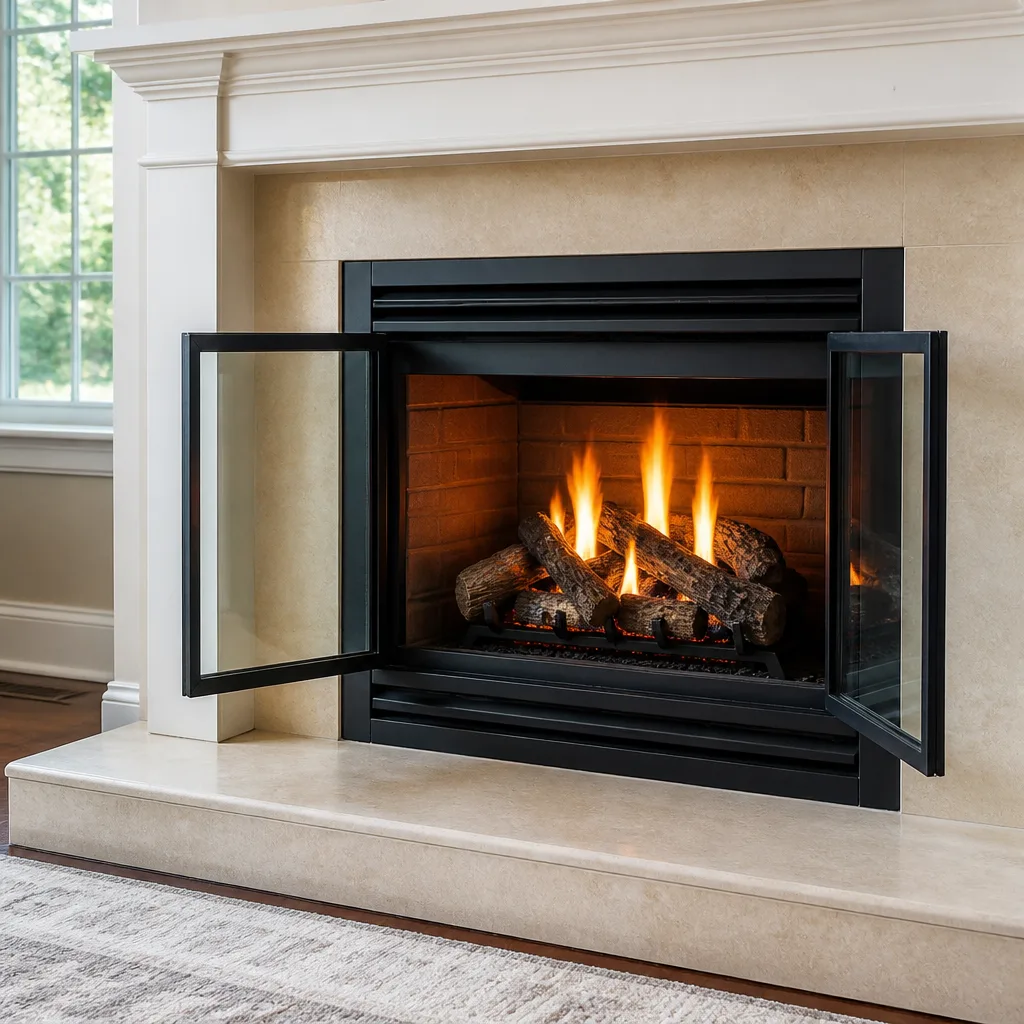 Gas fireplace service
Level 1 sweep and inspection to the NFPA 211 annual standard - flue, crown, cap, and flashing checked and photographed
Chimney sweep logs do not sweep chimneys. They loosen some creosote - which then falls where a brush and vacuum still have to collect it.
Chimney Sweep Maintenance Checklist for Suffolk Homeowners
Most chimney checklists tell you to “check the cap” without explaining why it matters. Here in Suffolk, a missing or cracked cap is the fastest route from a small, inexpensive fix to spalled brick and a serious masonry bill. Our wet winters and humid summers push water into every gap a chimney has, and the cap is the first line of defense. This guide isn’t a list of reminders. It’s a task-by-task reference built around the components that actually fail first in Suffolk’s climate, what each failure costs you if it’s ignored, and which items you can eye from the ground versus which need a professional on the roof with a camera.
Quick Answer
A chimney in Suffolk needs a professional sweep and inspection once a year, with the firebox and damper checked before every burning season and the cap, crown, and flashing checked from the ground twice a year. Anything that involves the flue interior, the crown, or the liner requires a professional with a camera. Red-line items like a cracked crown, rusted liner, or loose flashing pause fireplace use until they’re fixed.
Styles & brands we work with
- Sweep & inspection
- Caps & crowns
- Flue relining
- Masonry repair
- Gas fireplace service
Table of Contents
- The Six Components That Fail First in Suffolk
- What You Can Check From the Ground vs. What Needs a Camera
- Seasonal Timing Built Around Suffolk’s Weather Calendar
- Red-Line Items vs. Watch-and-Monitor Items
- How to Log Chimney Condition Year Over Year
- The Annual Maintenance Sequence, Step by Step
- Common Mistakes to Avoid
- Frequently Asked Questions
The Six Components That Fail First in Suffolk
Every chimney has the same skeleton, and in Suffolk’s wet winters and humid summers the same handful of parts tend to go first. Knowing what fails and what happens when it does is the difference between a cheap repair and a structural one. Here’s the component-by-component breakdown.
The Cap
The cap sits on top and does three jobs: it keeps rain out of the flue, it keeps birds and squirrels out of the chimney, and it keeps sparks off the roof. A missing or cracked cap lets water run straight into the flue, and in Suffolk that means freeze-thaw cycles that splinter brick from the inside. It also opens the door for wildlife to nest, which causes blockages that push smoke back into the living room. Check it from the ground with binoculars twice a year.
The Crown
The crown is the sloped concrete or masonry surface on top of the chimney that sheds water away from the structure. Hairline cracks are normal aging. Real cracks let water pool and soak into the brick below, which is where spalling starts. Once bricks begin to flake and crumble, the repair is no longer cosmetic. A crown that fails quietly through a wet winter is one of the most common repair triggers we see.
The Flashing
Flashing is the metal seal where the chimney meets the roof. It’s a small detail that fails loudly when water gets behind it and shows up as a ceiling stain two rooms away. In Suffolk, the combination of wind-driven rain and summer heat cycling loosens flashing steadily. Loose or rusted flashing is a professional call, not a homeowner job, since redoing it involves lifting shingles.
The Liner
The liner is the flue’s inner wall, and it carries flue gases up and out while keeping heat away from the wood frame. Clay tile liners crack. Metal liners can corrode or separate at joints. A failing liner is the single most consequential chimney problem because it lets heat and gases reach combustible material. You cannot assess a liner from the ground. That’s what the camera inspection is for.
The Firebox
The firebox is where you build the fire, and it takes the most abuse. Look for cracked firebrick, deteriorating mortar joints between the bricks, and a sagging floor. In Suffolk homes with older fireplaces, we commonly find the firebrick face worn back to the point where heat is getting closer to the masonry than it should. Repointing can often restore it before bricks need replacing.
The Damper
The damper opens and closes to control airflow. When it stops sealing, you lose heat up the chimney all winter and get a downdraft smell when you’re not burning. Rusted or seized dampers are common in homes where the fireplace sat unused for a season. Test the damper by hand before every burning season.
What You Can Check From the Ground vs. What Needs a Camera
Homeowners can and should keep an eye on several things. Knowing the split keeps you from calling too often and from missing what only a camera catches. Here’s the practical division.
Safe to Check From the Ground
- Cap presence and condition. A pair of binoculars from the lawn shows whether the cap is attached and whether the mesh is torn.
- Crown cracks. You may be able to see the slope and large cracks from a distance. Small ones need a closer look by a pro.
- Chimney exterior and mortar joints. Look for missing mortar between bricks and for bricks flaking or darkening.
- Flashing edges. Look for rust streaks, gaps, or sealant peeling where the chimney meets the roof.
- Ceiling and attic for water stains. Inside, the attic is fair game for a homeowner with a flashlight.
- Damper operation. Open and close it by hand. If it moves freely and seals, good. If it scrapes, sticks, or won’t close flush, call.
- Firebox bricks. A bright flashlight into the firebox shows cracks and crumbling mortar between the bricks.
What Needs a Professional with a Camera
- The full flue interior. Creosote buildup, glaze formation, and tile cracks are only visible with a camera run down the flue.
- Liner integrity at joints. A camera shows gaps between sections that no exterior check can reveal.
- The smoke chamber. This is the sloped area above the damper and below the flue. It’s a common creosote trap and needs to be scraped during the sweep.
- Hidden masonry behind the firebox. Cracks in the firebox wall can hide behind the brick face.
- Bird or animal blockage. A nest in the flue is a camera or drop-light job, not a DIY job.
Seasonal Timing Built Around Suffolk’s Weather Calendar
Generic advice says “spring or fall.” Suffolk’s specific weather gives you better timing. Our humid summers, wet winters, and warm, sticky spring and fall mean the chimney goes through more moisture cycling than a lot of the country. Here’s the schedule we’d recommend to any Suffolk homeowner.
Spring (March-May): Post-Burning-Season Sweep
As soon as you stop using the fireplace for the season, book the sweep. You want to clear creosote and soot before summer humidity moves in, since creosote sitting in a warm, damp flue for months is the setup for corrosion and a stronger fire hazard next fall. This is also the ideal time for the annual camera inspection, because the flue is empty and the weather is dry enough to work from the roof.
Early Summer (June-July): Roof and Exterior Repairs
If the spring inspection turns up a crown crack, flashing issue, or cap replacement, get it done now. Warm, dry weather is the right window for masonry work and sealing. Rain-driven leaks that start in summer reveal themselves as ceiling stains well into fall.
Late Summer (August): Pre-Season Recheck
Do a quick ground-level pass on the cap, crown, and flashing. Suffolk’s summer storms are good at finding weaknesses in sealant and flashing. Catching a small issue now avoids a scramble later.
Fall (September-November): Reserve the Sweep Before Burning Season
Sweeps fill up before the first cold snap. Book in early fall so a pre-season cleaning and a damper check happen before you strike a match. This is also the time to confirm the cap is secure and the firebox bricks are tight.
Winter (December-February): Watch and Report
Winter is for using the fireplace, not for scheduling repairs you can safely defer. What you watch for now: smoke rolling into the room, a weaker draft than usual, unusual smells when the fire is lit, and any new water stain after rain. Report anything you notice and let the technician decide whether it waits for spring.
Red-Line Items vs. Watch-and-Monitor Items
Not every finding stops you from building a fire. Knowing the difference keeps you safe without panicking over things that can wait. In our inspection work, this is the split we hold to.
Red-Line: Stop Using the Fireplace
- Any crack in the firebox firebrick that reaches the masonry behind it. Heat and gases can reach the wood structure.
- A visible gap or break in the flue liner. This is the most serious red-line item.
- Heavy glazed creosote inside the flue. It burns hot and unpredictably, and a chimney fire here is a serious risk.
- Loose or detached flashing letting water behind the chimney. Continued use can drive moisture damage deeper into the masonry.
- A missing cap combined with a damaged crown. Open flue plus failing top means water is going straight down the chimney.
- Blockage from a bird or animal nest. Carbon monoxide can back up into the home.
Watch-and-Monitor: Note and Plan
- Hairline crown cracks. Seal before winter, but not urgent same-day.
- Minor surface spalling on exterior brick. Note where it is and check it again in six months.
- A slightly stiff damper. Plan a service call before burning season.
- Older but intact clay tiles. Keep them under annual camera review.
- Light soot on the firebox face. It’s normal, but log what you see.
The key with watch-and-monitor items is timing. Note them, plan the fix for the next dry window, and keep using the fireplace safely in the meantime. Never guess whether something is red-line. If you’re unsure, close the damper, don’t light a fire, and call for an inspection.
How to Log Chimney Condition Year Over Year
A single inspection tells you the state of the chimney on one day. A running log tells you the story. Deterioration is gradual, and a technician who sees three years of notes can spot a trend that a snapshot would miss. Here’s the practical way to build a log any homeowner can keep.
What Belongs in the Log
- Date of each sweep and inspection. Include who did the work and any photo report they produced.
- Camera findings. Note tile cracks, their location (top, middle, bottom), and their size.
- Crown condition. Describe cracks by location and approximate length.
- Flashing condition. Note rust, gaps, or sealant peel-back.
- Firebox brick and mortar notes. Which bricks, which joints, how deep the cracks.
- Damper operation. Free, stiff, or stuck.
- Weather observations. Note a hard winter, a wet summer, or any storm that hit the roof hard.
- Repairs performed. What was sealed, repointed, or replaced, and when.
Why the Log Matters in Suffolk
Brick and mortar fail slowly in Suffolk’s moisture cycles. A small crown crack in year one becomes a scoured crown in year three. If your technician can see it developing, a small repair is planned early. If the crack is only noticed when a ceiling stains, the fix is bigger. A log also helps at resale. When a home inspector flags the chimney, a well-kept record of annual sweeps and repairs is exactly what the buyer wants to see.
How to Keep It
- Save every photo report your technician gives you in a labeled folder, with the date in the filename.
- Add a one-line note in a notebook after each visit: what was found and what was recommended.
- Snap a phone photo from the lawn each spring of the cap, crown, and flashing.
- Review the log before your pre-season call so you can point the technician at anything that’s changed.
The Annual Maintenance Sequence, Step by Step
This is the order the work should happen in. Doing it in this sequence matters, because findings from each stage inform the next. Our technicians have up to 12 years of experience running exactly this order.
The Full Sequence
- Book the sweep first, not the repair. A sweep cleans the flue and clears the way for an honest inspection. If you call a repair-first company, you’re guessing before you know what’s actually wrong.
- Sweep the full flue and smoke chamber. A complete sweep clears soot, creosote, and the smoke chamber ledge where creosote builds up.
- Run a camera through the flue. With the flue clean, the camera shows the liner, tile joints, and any hidden damage without soot obscuring it.
- Inspect the firebox, damper, crown, cap, and flashing. These are the visual components checked from both outside and inside.
- Review findings together. Look at the photo report. Nothing gets recommended without camera evidence you can see for yourself.
- Decide red-line versus monitor. Red-line items pause fireplace use. Monitor items go in the log with a plan.
- Schedule repairs inside the dry season. Masonry, sealing, liners, and cap work all go in the warm, dry months.
- Re-verify before burning season. A short pre-season check confirms the repair held before the first fire.
What a Standalone Inspection Looks Like
The inspection is valuable even without a sweep. If a home-sale inspection already flagged the chimney, or you’ve noticed draft problems, smoke rollback, or visible cracking, book just the inspection. A camera report tells you whether remediation is needed at all. It’s a way to buy information before you buy work. Our inspection-first approach exists specifically so that repairs are based on evidence, not guesswork.
What “Sweep, Inspect, Repair Under One Roof” Means for the Sequence
Because we handle sweeping, inspection, and repair as the same company, there’s no handoff between the technician who finds a problem and the team who fixes it. You don’t need a second call if the sweep uncovers a liner issue. That matters when the finding is a slight offset flue that needs a flexible system, or a set of mortar joints that can be restored without a whole new liner. Switching between trades would cost you weeks every time.
See the difference
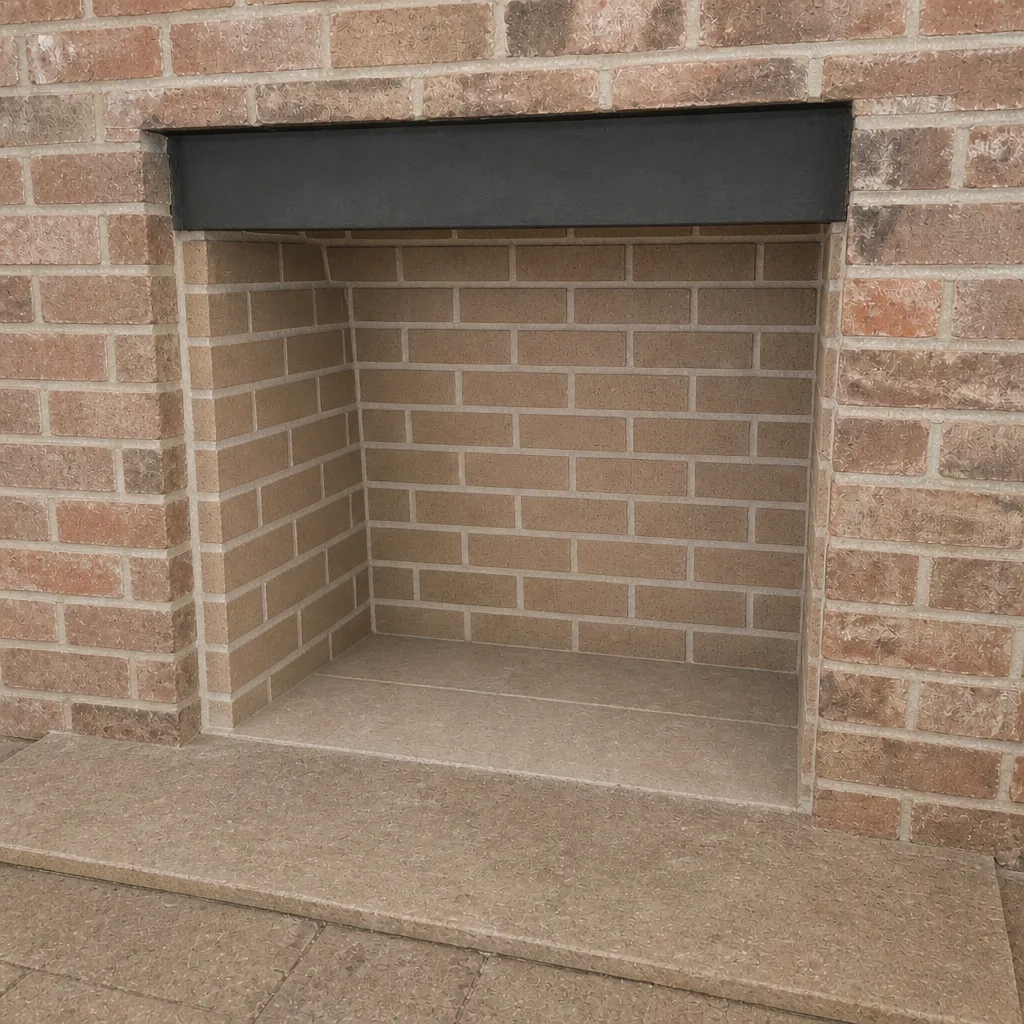
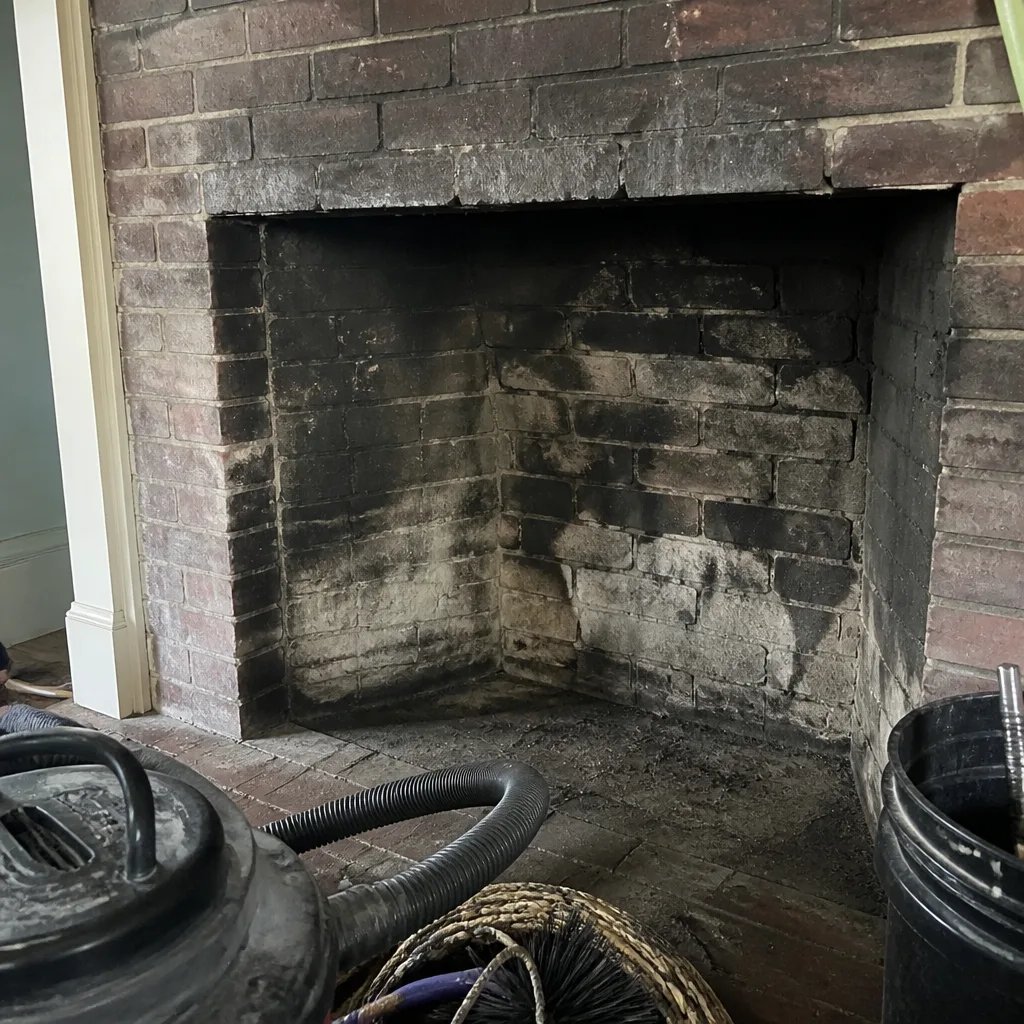 Before
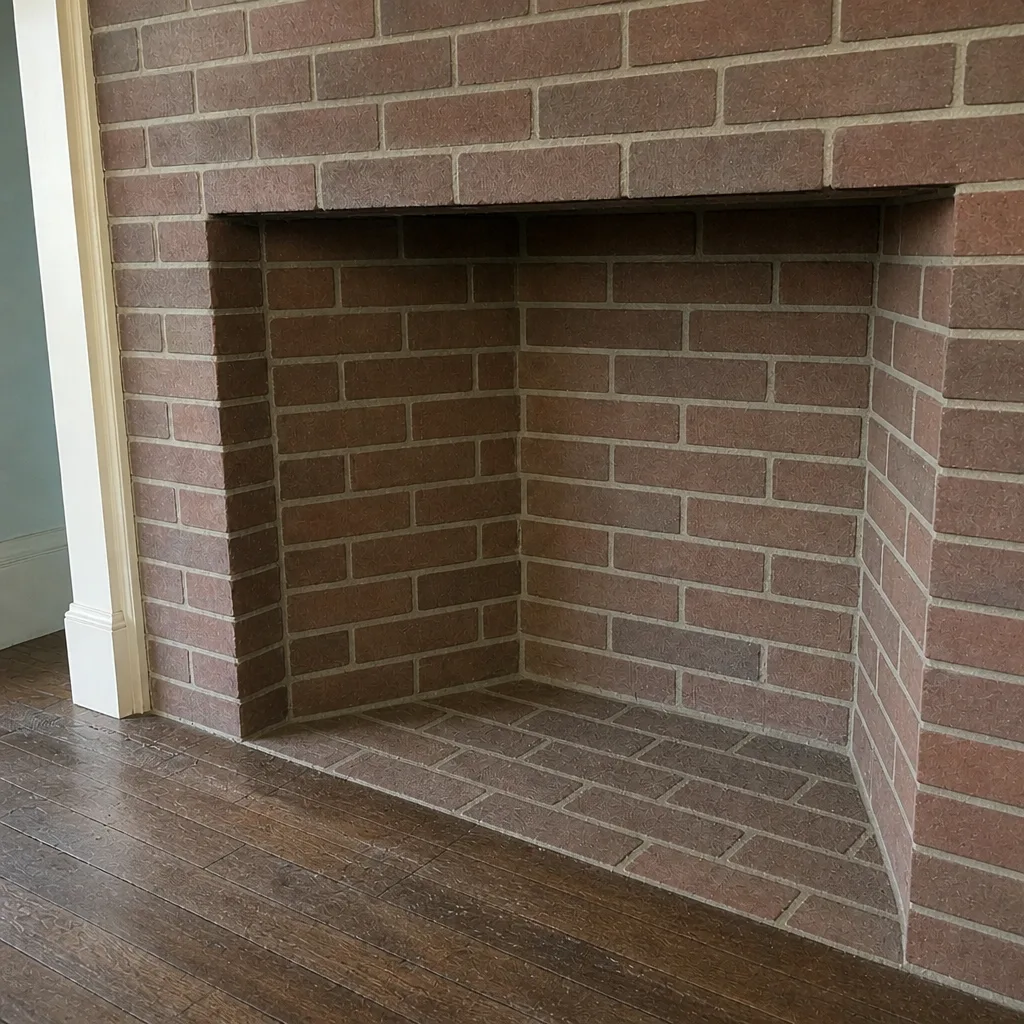 After
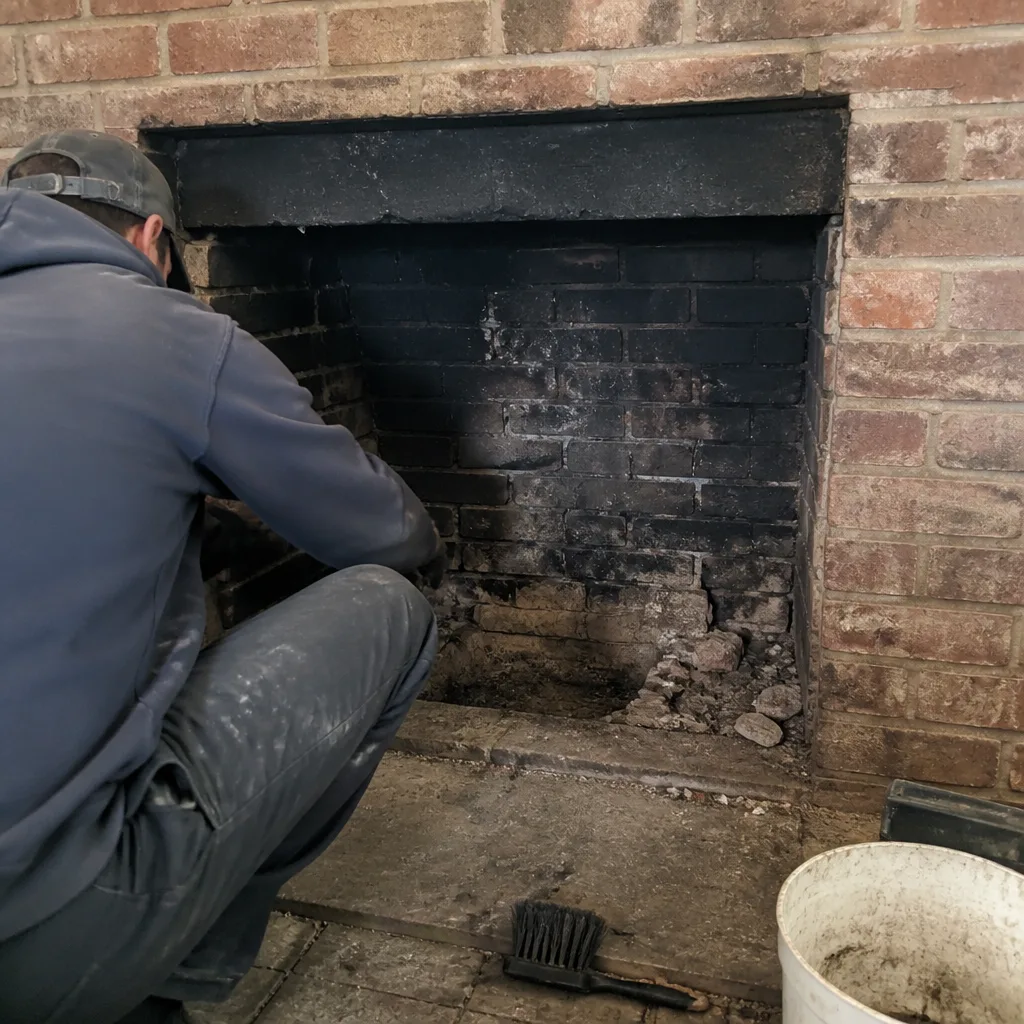 Before
 After
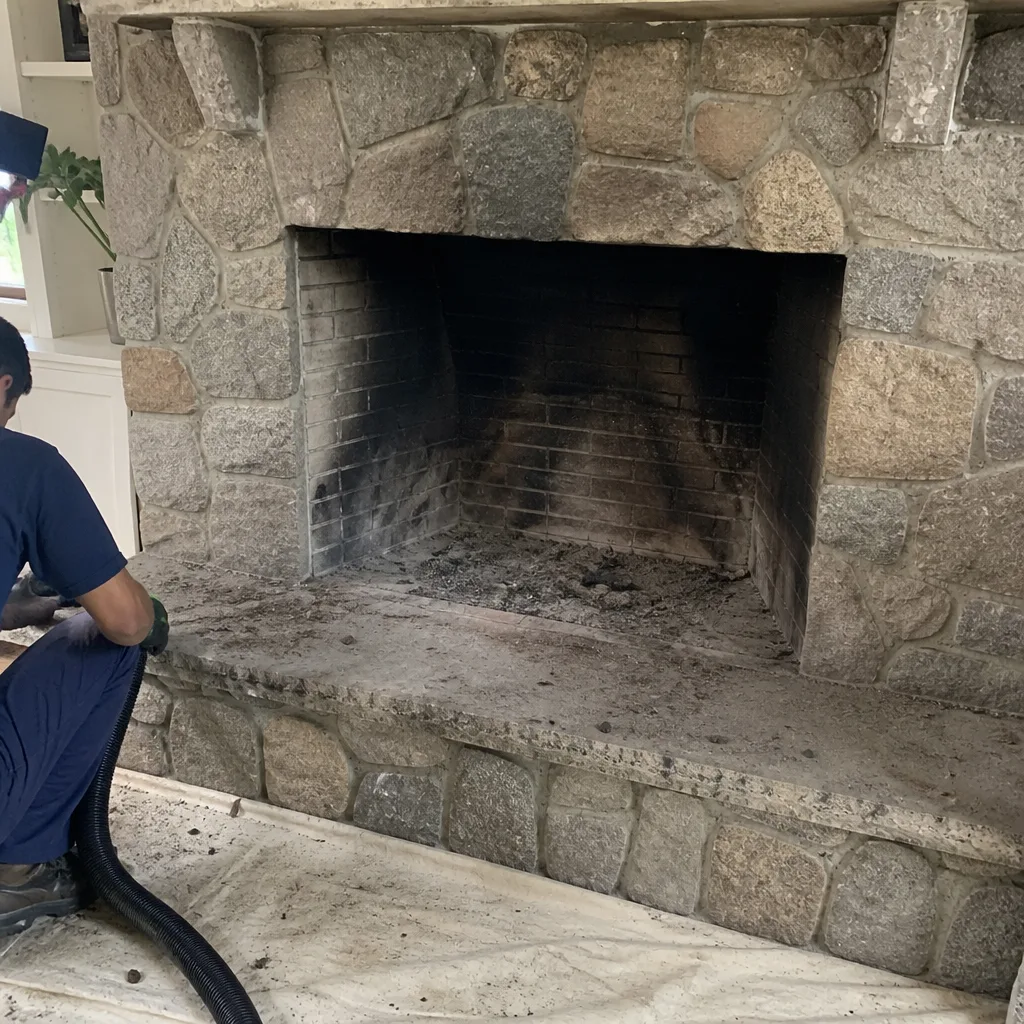 Before
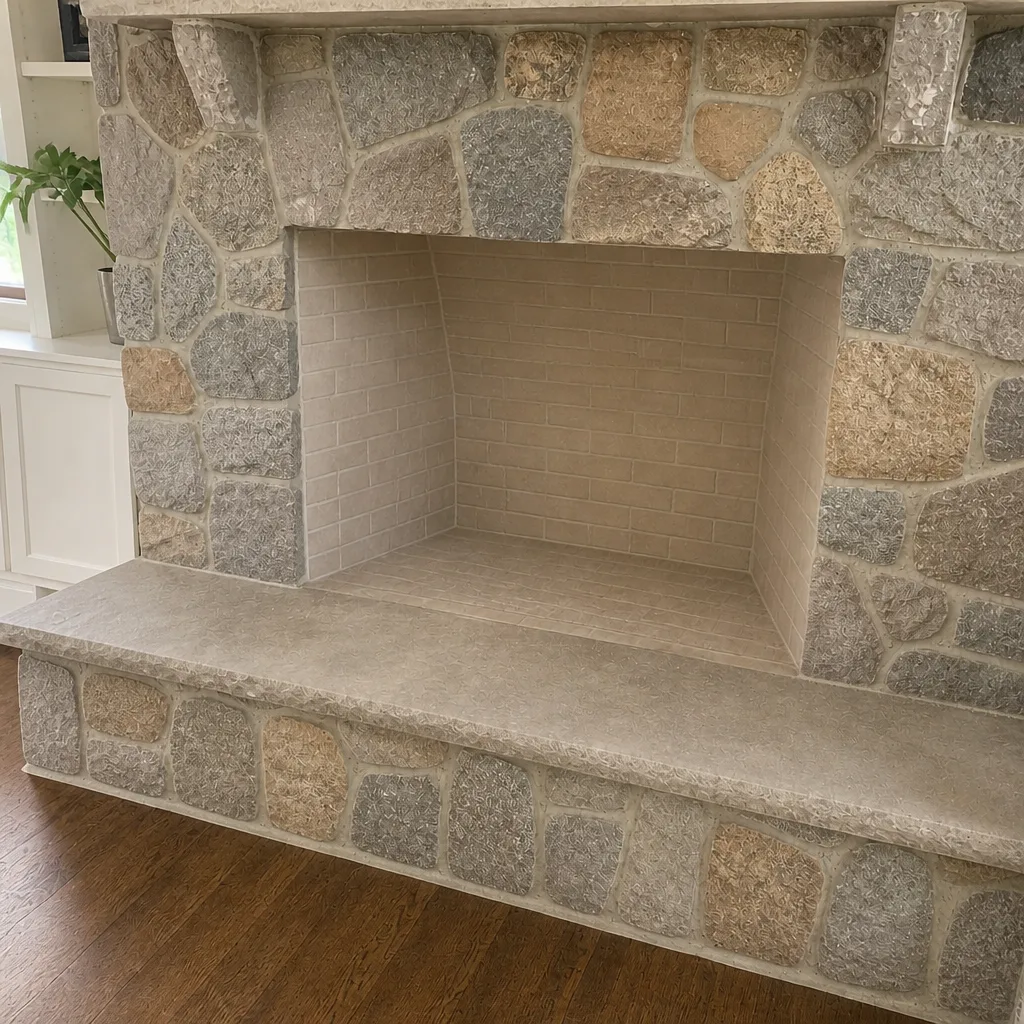 After
Fixing What’s Found: Matching the Repair to the Problem
Not every chimney problem means a full liner replacement, and the repair should match the actual condition, not the technician’s favorite tool. Here’s how the major repairs map to what the inspection shows.
Deteriorating Mortar Joints
When the flue liner has worn mortar joints but the tile itself is intact, HeatShield restoration can rebuild those joints from the inside without removing the existing liner. That’s a meaningful difference for Suffolk homeowners with older tile flues. It addresses the deterioration without the cost and disruption of a full liner replacement, and it’s not a service you’ll get from a general sweep-only operator.
Aged or Offset Flues
Some chimneys, especially in older homes, have an offset or a bend in the flue that a rigid liner can’t navigate. A DuraFlex flexible liner system is built for that. It bends through the offset and still delivers a continuous stainless inner surface. Using trade-grade systems means the liner is engineered for the flue, not improvised on the roof.
Cap, Crown, and Flashing Repairs
These are the smaller fixes that prevent the bigger ones. A replacement cap, a crown sealed or rebuilt, and flashing re-secured all protect the masonry from water intrusion. We work with Gelco, Olympia Chimney, Famco, and Copperfield for these components, so the part on top of your Suffolk chimney is a real chimney component, not a hardware-store substitute.
Firebox and Damper Work
Firebox mortar can be repointed, and firebrick replaced where it’s failed. Dampers can be serviced or replaced. Small, targeted repairs are almost always preferable to abandoning the fireplace or moving to a full rebuild.
Common Mistakes to Avoid
- Skipping the sweep because “the fire burned clean.” A clean-looking fire still deposits creosote, and creosote is invisible from the fireplace. Every year the flue needs to be checked.
- Checking the cap once and never again. Suffolk’s wind and wet cycles can loosen a cap or tear its mesh in a single season. Check twice a year from the ground.
- Booking a repair without a camera inspection first. If a company quotes liner work before they’ve shown you a camera report, you’re paying for a guess. Ask to see the footage.
- Ignoring minor crown cracks in fall. A hairline crack in October becomes a spalled crown by spring. Seal it before winter, not after.
- Letting a fireplace sit through one or two seasons without a sweep. Disuse doesn’t protect the chimney. In fact, an unused flue often collects moisture, bird nests, and debris.
- Hiring a generalist to do the sweep. A handyman picking up chimney calls on the side can brush a flue but can’t diagnose a liner, restore mortar joints, or fit a proper flexible liner. That means a second call as soon as a real problem shows up.
- Not keeping records. A log makes trend-based diagnoses possible and gives a buyer something concrete at resale. Without one, every inspection starts from scratch.
When to Call a Professional
Call a professional when the item can’t be safely checked from the ground, when the finding is red-line, or when you’re not sure. Specifically: any smoke rollback into the room, a ceiling or attic stain after rain, a firebox crack that reaches the brick behind it, a loose cap, flashing that’s pulling away, a damper that won’t seal, a home-sale inspection that flagged the chimney, and any fire that feels like it’s drafting poorly. Also call on the annual schedule. A sweep and camera inspection once a year catches the gradual stuff before it becomes expensive. If you’re in Suffolk and you’re not sure whether a finding needs action now or can wait, ask. A professional will tell you plainly.
Frequently Asked Questions
Once a year, and more often if you burn hard or use unseasoned wood. Suffolk’s humid climate means creosote sits in a damp flue for months between burning seasons, so an annual sweep plus camera inspection is the right baseline. If your fireplace sees heavy winter use, talk to your technician about whether a mid-season check makes sense.
Creosote and soot accumulate, and glazed creosote becomes a serious chimney fire hazard. Water also gets into the flue through any cap or crown failure, and moisture cycles slowly break down the liner and masonry. Skipping one year is a small risk. Skipping several is when the repair bill grows. The cheap fix now is a sweep; the expensive fix later is liner or masonry work.
Yes for the exterior and firebox, no for the flue. From the ground with binoculars you can check the cap, large crown cracks, visible spalling, and flashing edges. Inside, you can check the firebox bricks, damper operation, and ceiling stains. The flue interior, the smoke chamber, and the liner joints need a professional with a camera.
Not necessarily, and that’s why the inspection comes first. A camera report tells you whether the liner has a specific failure or has merely worn mortar joints. Deteriorating mortar can often be restored with HeatShield without full removal, and that’s usually the better answer for an older tile flue. A new liner is warranted when the tile itself is cracked or missing sections. Nothing should be recommended without camera evidence you can review.
Spring, right after burning season ends. That clears creosote before summer humidity sets in and leaves you the dry months for any repairs the inspection uncovers. Booking in early fall is a safe second-best if you’ve missed spring, but do it before the first cold snap when sweeps fill up. Never wait until the fire feels wrong to call.
Ask for the camera report and insist on seeing the footage. A real finding has a specific location, a clear image, and a reason it matters. If a company can’t show you the problem on camera, don’t authorize the work. Our style is to inspect before recommending, which means the photo report is the basis of every repair ticket. If something can safely wait, we say so.
The Bottom Line
A useful maintenance checklist is tied to real failure points, not generic reminders. The six components that fail first in Suffolk – cap, crown, flashing, liner, firebox, and damper – each have a specific way they go wrong and a specific consequence. Check what you can from the ground, book the camera inspection for what you can’t, log everything so your technician can spot trends, and treat red-line findings as a stop-fire signal. The repairs themselves should match the actual condition: mortar restoration where the tile is intact, flexible liners where the flue is offset, and quality components on top. Do this on a schedule and your chimney doesn’t surprise you.
If you’d like an honest look at your chimney before burning season, call Chimney Sweep Suffolk at (866) 361-9861 for a free estimate. We answer 24/7. Fast dispatch from 7am to 7pm, Sunday through Friday. Or book a Chimney Sweep Suffolk visit to get the annual schedule started.
Written by the team at Chimney Sweep Suffolk.