
Last updated November 15, 2026
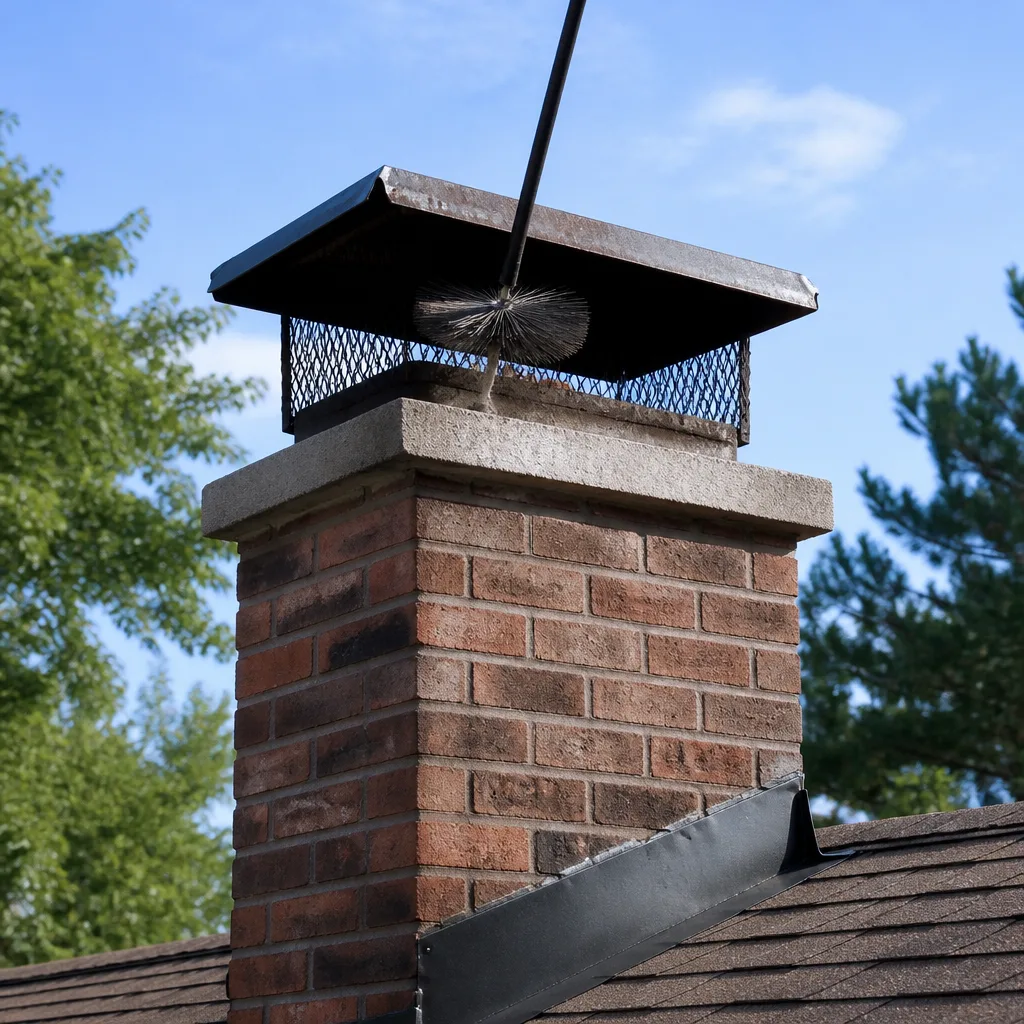 Sweep & inspection
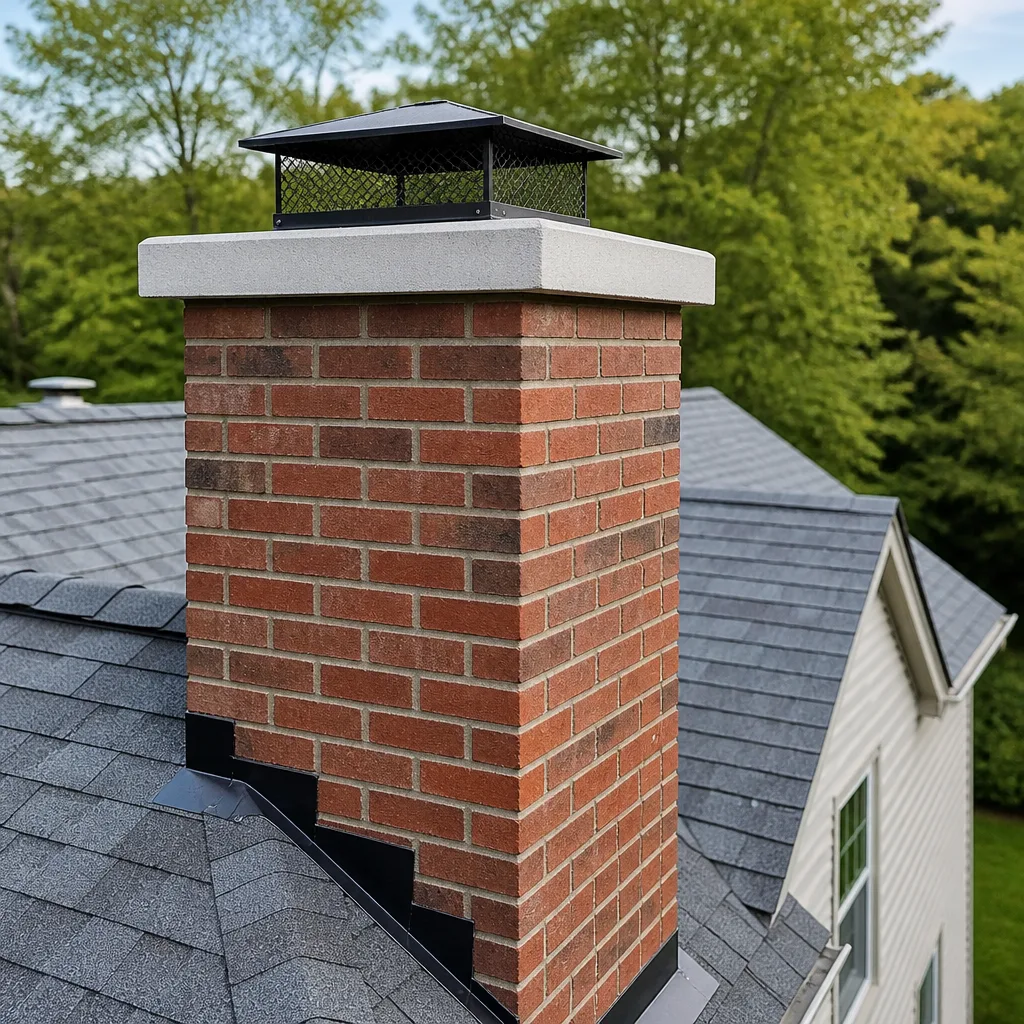 Caps & crowns
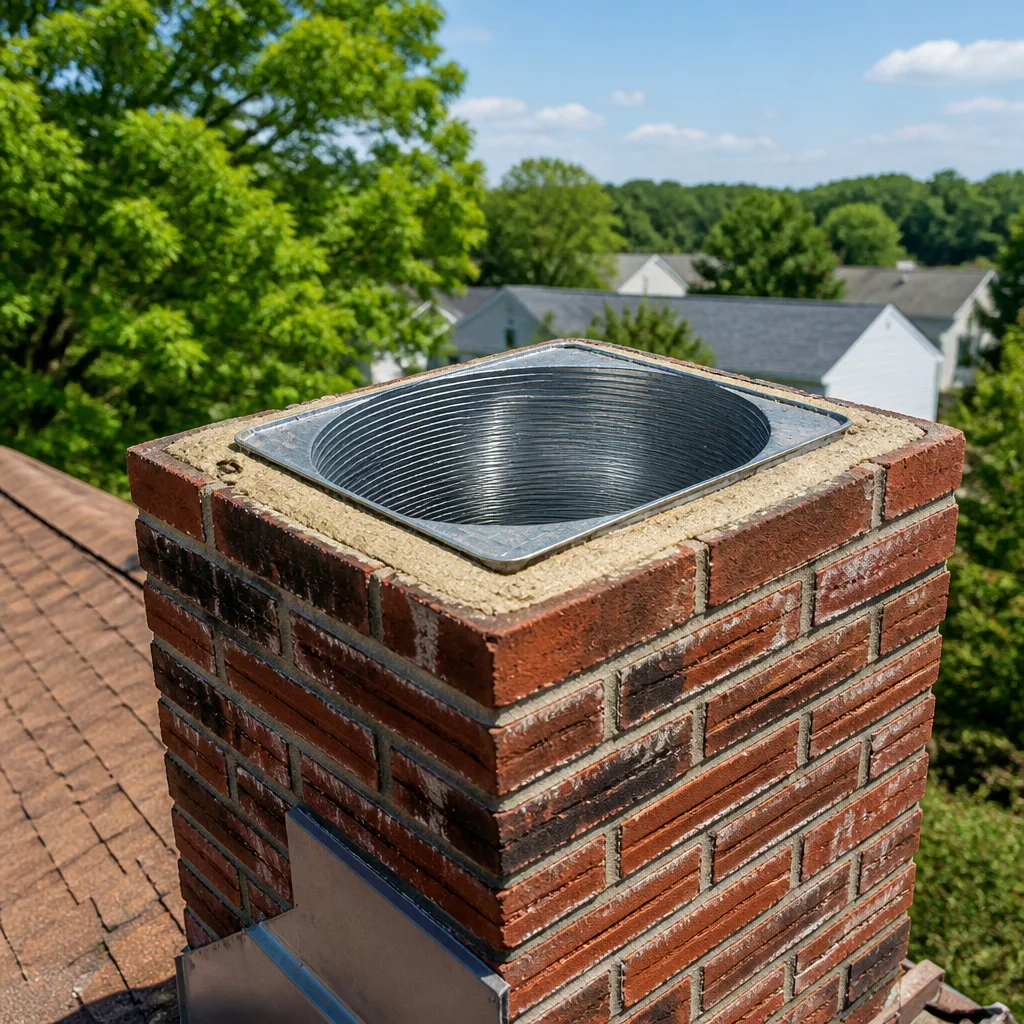 Flue relining
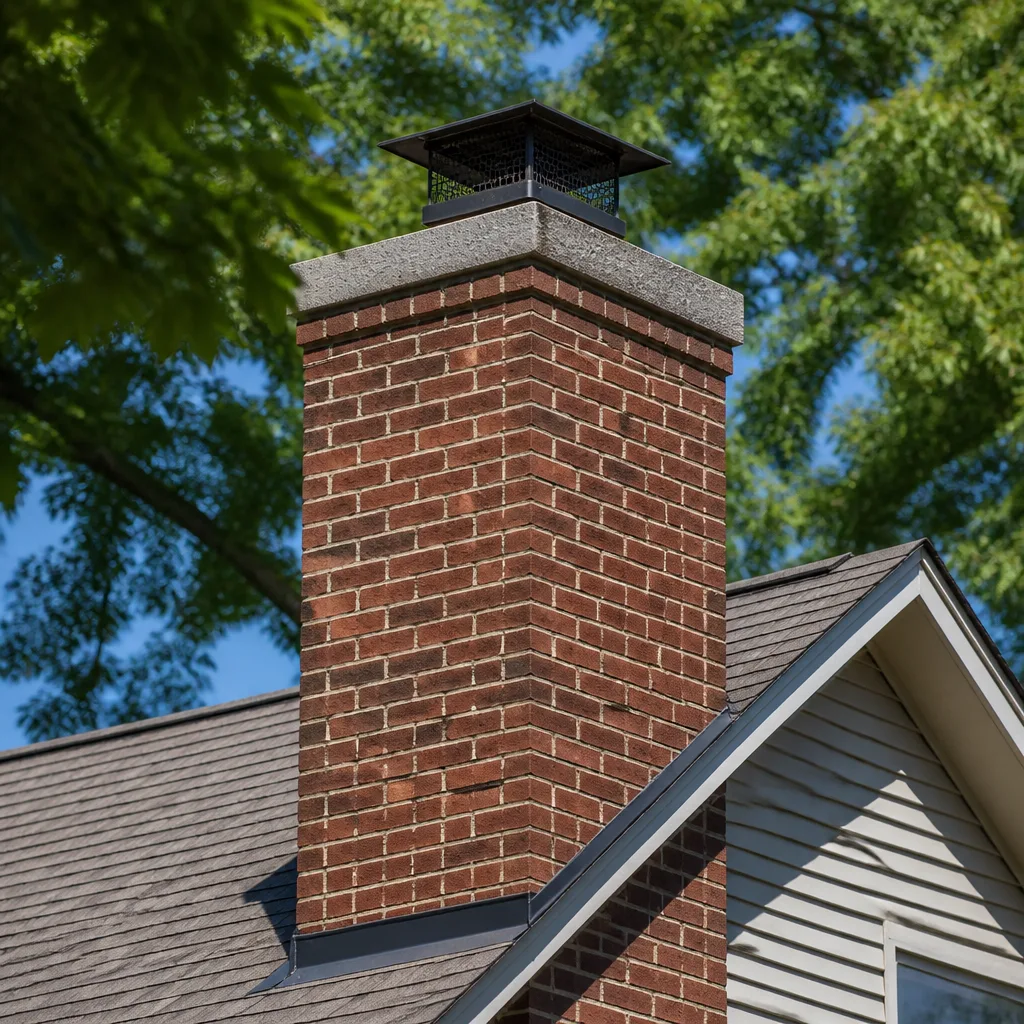 Masonry repair
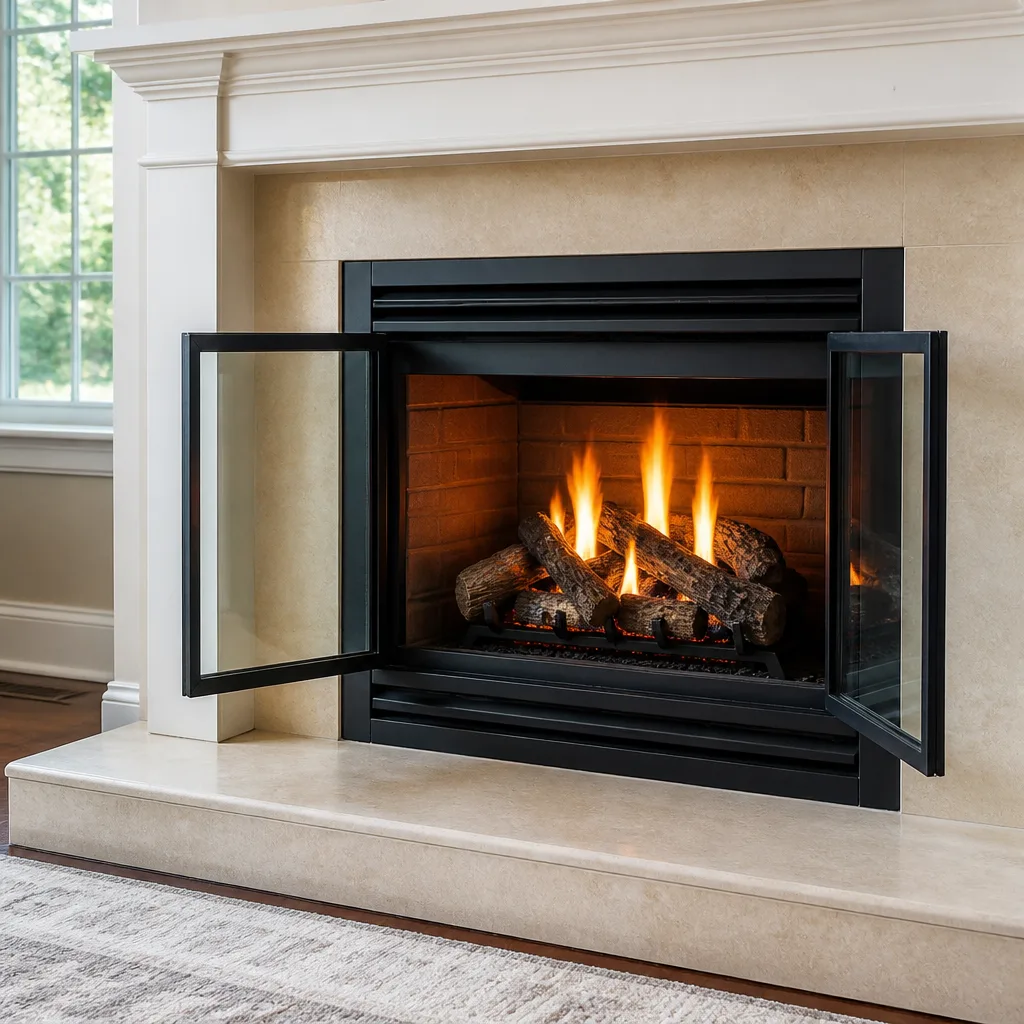 Gas fireplace service
Level 1 sweep and inspection to the NFPA 211 annual standard - flue, crown, cap, and flashing checked and photographed
Chimney sweep logs do not sweep chimneys. They loosen some creosote - which then falls where a brush and vacuum still have to collect it.
Choosing the Right Chimney Cleaning Brand: A Buyer’s Guide for Suffolk
A chimney quote that says “chimney sealant” and nothing else tells you almost nothing. The words sound technical, the line item looks tidy, and you have no way of knowing whether the contractor is planning to apply a trade-grade crown coat built for freeze-thaw cycles or a hardware-store tube of caulk that will crack and peel in a few winters. That gap between a named professional product and a nameless substitute is the single most useful thing a homeowner can learn to spot. This guide is written to close that gap for Suffolk homeowners, so you can read a quote, ask the right questions, and tell a specialist from a generalist before any work begins.
Quick Answer
The right chimney brand is one you can name, matched to a specific job (crown, flue liner, sealant, waterproofing), and backed by product documentation and warranty. Trade-grade products like HeatShield and Gelco carry documented performance and compatibility with industry standards, while generic substitutes are sold on price alone. In Suffolk, ask every contractor which product they’re using on which part of the chimney – a vague answer is your cue to keep looking.
Styles & brands we work with
- Sweep & inspection
- Caps & crowns
- Flue relining
- Masonry repair
- Gas fireplace service
Table of Contents
- Why chimney product brands matter more than most homeowners expect
- The main product categories in chimney work, and what each is for
- What “trade-grade” actually means in practice
- Recognized brands by category, and why contractors choose them
- How to ask a contractor what products they use
- Chemical creosote treatment vs. mechanical cleaning
- How to read a Suffolk chimney quote line by line
- Certifications, standards, and warranty backing
Why chimney product brands matter more than most homeowners expect
A chimney is one of the few parts of a house that gets hit by everything at once: fire inside, weather outside, and moisture working on the masonry from both directions. The materials used to protect it aren’t decoration. They’re the barrier between a sound flue and a slow, expensive failure. When a contractor applies a crown coating that isn’t rated for repeated freezing and thawing, or seals a mortar joint with a product that can’t flex with the masonry, the failure doesn’t announce itself. It shows up three to five years later as a hairline crack, a water stain on the smoke chamber, or a failed inspection at resale.
That’s the case for product literacy. You don’t need to become a materials chemist. You do need to know that “chimney sealant” is not a category with one performance level. It’s a category with a wide spread, and the spread shows up over time. In our experience, the homeowners who get the longest life out of a repair are the ones who asked what product was going on their chimney before the work started, not after.
This matters just as much on a simple cleaning. A chimney sweep that uses proper mechanical tools removes creosote without damaging the flue tile. A sweep that reaches for whatever’s in the van can leave scoring, cracked joints, or a flue that looks clean but wasn’t fully cleared. The tooling and the products behind the brush are part of the job, even when the job looks routine.
Suffolk’s housing stock makes this concrete. The city has a real mix of older masonry chimneys and newer construction, and both come with their own material questions. An older chimney with deteriorating mortar joints is a candidate for liner restoration. A newer one may need a crown repair after its first few winters. Neither call should be made on the basis of a brand name alone, but neither can be made well without knowing what the product under discussion actually is.
The main product categories in chimney work, and what each is for
Chimney work uses a handful of distinct product families, and each one solves a different problem. A contractor who can tell you the category and the product for each part of your job is a contractor who knows the trade. Here’s the map.
- Crown coatings. The crown is the concrete cap at the top of the chimney that sheds water away from the masonry. A crown coating is a flexible, weather-resistant layer applied over a sound crown or a repaired one. Trade-grade crown coatings are formulated to move with the concrete through freeze-thaw cycles; consumer-grade products are not.
- Flue sealants and liner cement. These products address the inside of the flue – sealing cracks, restoring mortar joints, and providing a smooth, gas-tight surface. HeatShield is a well-known liner restoration product in this category; Gelco and similar products appear in refractory and liner-cement work.
- Waterproofing. Applied to the exterior masonry, waterproofing products let masonry breathe while repelling bulk water. A breathable masonry water repellent is not the same as a paint or a film-forming sealer, and using the wrong one traps moisture inside the chimney.
- Creosote treatments. Chemical products that soften or condition creosote so it can be removed more effectively. These are a support tool, not a replacement for mechanical cleaning, and we’ll come back to that distinction.
- Liner systems. Flexible stainless liners are the standard solution for relining a flue that can’t take a rigid liner, including offset and aged flues. DuraFlex is a familiar name in flexible liner systems, and Olympia Chimney and Famco appear in liner and component work in the trade.
Each category has a job. The mistake is treating them as interchangeable because they all sit under “chimney repair” on a quote. A crown coat and a flue sealant solve different problems, and a contractor who proposes one when the other is needed hasn’t diagnosed the issue.
What “trade-grade” actually means in practice
“Trade-grade” isn’t a marketing label. In chimney work it describes a product built to a known standard, with documented performance properties, sold through professional channels, and backed by a manufacturer’s warranty aimed at contractors. That combination is what separates it from a substitute that looks similar on the shelf.
In practice, trade-grade means four things:
- Documented performance. The manufacturer publishes data on how the product behaves – adhesion, flexibility, temperature tolerance, and compatibility with common chimney materials. A generic product often has none of this.
- Compatibility with industry standards. Chimney products that show up in professional work are designed to be compatible with NFPA 211, the standard that governs chimney, fireplace, vent, and solid-fuel appliance installation and maintenance. That compatibility is a design input, not an afterthought.
- Warranty backing aimed at the trade. A manufacturer that sells to contractors backs the product with a warranty and technical support an installer can rely on. When something goes wrong on a repair, that support is what lets the installer stand behind the work.
- Professional supply chain. Trade-grade products are distributed through suppliers who serve the trade, not through the aisle next to the paint rollers. That’s not snobbery; it means the product isn’t optimized for a shelf price.
This matters most in Suffolk because of the local weather pattern. Freeze-thaw cycles in this part of Virginia work on masonry and crowns repeatedly through the winter, and a product that flexes with those cycles lasts substantially longer than one that doesn’t. That’s not a claim about any single brand. It’s the reason the same repair can last a decade with the right material and a few years with the wrong one.
Recognized brands by category, and why contractors choose them
A contractor doesn’t need to name every product they carry, but they should be able to tell you what they’re using and why. Here are the names that come up most often in professional chimney work, grouped by what they’re for.
- HeatShield. A liner restoration system. Its role is to address deteriorating mortar joints inside a flue without a full liner replacement. That’s meaningful because a full reline is one of the more expensive chimney jobs, and a product like HeatShield sometimes opens a middle path. When a contractor can talk about HeatShield intelligently, it’s a signal they deal in liner restoration, not just replacement.
- Gelco. A name in refractory and liner cement work. The relevant question is what it’s being applied to and whether the flue has been prepped and cured properly. The product matters, and so does the application.
- Olympia Chimney. Appears in liner and component work. If you’re getting a reline quote, the components around the liner – the top plate, the cap, the connections – are part of the system, not an afterthought.
- Famco. Familiar in liner and cap component work in the trade. The brand shows up in the parts that complete a system rather than in the liner itself, which is a reminder that a chimney job is a system, not a single product.
- DuraFlex. Known for flexible stainless liner systems. These are the products that let a contractor navigate a flue that can’t accept a rigid liner, including offset flues and older chimneys with irregular passages.
- Copperfield. Another name that appears in liner and component work. The common thread across all of these is that they’re professional-channel products, not hardware-store substitutes.
A useful rule of thumb: brands show up as evidence of a professional supply chain, not as a scoreboard. A quote that names three products accurately and explains what each is for is more credible than a quote that name-drops six brand names without a single explanation.
How to ask a contractor what products they use
This is the part that saves homeowners the most grief. You don’t need to know the products to ask the question well. You need to ask a question that’s specific enough to have a real answer, and then notice whether the answer is specific back.
Start here, in this order:
- “What exactly are you applying, and to what part of the chimney?” A good answer names a product and a location – “a flexible crown coating on the crown,” “a liner restoration product on the mortar joints in the smoke chamber.” A vague answer is a yellow flag.
- “Why that product for my chimney?” A specialist can explain the choice in one sentence. If the answer is “it’s what we use,” keep asking or keep looking.
- “Is this a repair, a restoration, or a replacement?” Those are three different jobs with three different price ranges. A contractor who blurs them is either unclear on the diagnosis or hoping you won’t ask.
- “What’s the warranty on the product, and what’s the warranty on the labor?” Those are two separate answers. Trade-grade products come with manufacturer warranties, and the contractor should be able to tell you what theirs covers.
- “Can I see the camera footage or photos before you do anything?” A specialist uses inspection evidence to make the recommendation, and should be willing to share it.
That last point is the one that separates an inspection-first approach from an upsell-first approach. When a chimney repair recommendation comes with camera evidence you can see, you can judge it yourself rather than taking it on faith. When it comes with a verbal description and a number, you can’t. That’s not a knock on any contractor; it’s a reason to ask to see the evidence before agreeing to work.
If the answer to “what product?” is a shrug or a product name that doesn’t match the job, that’s your cue. A specialist who works chimneys every day has a roster of professional brands and can tell you which one they’re using and why.
Chemical creosote treatment vs. mechanical cleaning
These two things get bundled together in conversation, and they shouldn’t be. Chemical creosote treatments and mechanical cleaning solve different problems, and neither replaces the other. Here’s the clean distinction.
Mechanical cleaning is the physical removal of creosote, soot, and debris from the flue using brushes, rods, and other tools. This is what a chimney sweep does, and it’s the only method that actually removes the buildup. The product category behind a sweep – the tooling – matters less than the technique, but technique is not optional.
Chemical creosote treatments are products that soften, condition, or convert creosote so it can be removed more effectively. They’re a support tool. Used well, they make a stubborn glaze or a heavily built-up flue easier to clean and reduce the risk of a hard, glazed layer that resists brushing. Used as a substitute for cleaning, they accomplish nothing, because the creosote is still in the flue.
Why the distinction matters: a product that claims to remove creosote without mechanical cleaning is selling you a shortcut that doesn’t exist. If a contractor proposes a treatment instead of a sweep, ask why. In our experience, the honest answer is that the treatment supplements the cleaning, not replaces it. A sweep is still the job.
For Suffolk homeowners with wood-burning appliances, this is a yearly question, not a one-time one. Burning season here runs long enough that buildup accumulates year on year, and the cleaning schedule that keeps a flue safe is the one that happens before the next season starts, not after a problem appears. If you’re not sure how long it’s been, the practical answer is to book a sweep and have the flue looked at.
How to read a Suffolk chimney quote line by line
A chimney quote is a document you can learn to read. The format is usually straightforward, and the line items tell you whether the contractor is thinking about your chimney or working from a template. Here’s what a well-built quote looks like, and what to check.
| Quote line | What it should say | Yellow flag |
|---|---|---|
| Inspection / diagnosis | Camera inspection, with a written or photo report | “Visual inspection included” with no report |
| Sweep | Mechanical cleaning of the flue, with creosote condition noted | No mention of how the flue will be cleaned |
| Crown work | A named crown coating product, applied to a prepared surface | “Seal the crown” with no product named |
| Flue repair | Named liner restoration or liner cement product, with the affected area described | “Repair the flue” with no method or product |
| Waterproofing | A breathable masonry water repellent, named | Any film-forming sealer or paint on masonry |
| Warranty | Product warranty and labor warranty stated separately | No warranty mentioned at all |
The pattern across all six lines is the same. A professional quote names what’s going on and where. A vague quote leaves you guessing, and guessing is what leads to paying for a product you didn’t need or a substitute that fails early.
This is also where a Suffolk homeowner gets leverage. The city’s housing stock varies enough that a template quote rarely fits. A chimney in an older home near the historic downtown may need liner restoration, while a newer home may need a crown repair and nothing more. A contractor who asks about the house before quoting is a contractor who’s thinking about your chimney.
Certifications, standards, and warranty backing
Product names are half the picture. The other half is standards and documentation, and this is where a specialist and a generalist diverge most clearly.
NFPA 211 is the standard that governs chimney, fireplace, vent, and solid-fuel appliance installation and maintenance. Products used in professional chimney work are designed with that standard in mind, and a contractor who works to it will talk about it naturally. You don’t need to read the standard. You need to hear that the contractor works to it.
Warranty backing works the same way. Trade-grade products come with a manufacturer warranty, and the contractor should be able to tell you what’s covered and for how long. A generic substitute often has none, or has one that’s practically unenforceable. When you’re looking at a repair expected to last a decade, the warranty is part of what you’re buying.
Documentation is the third leg. A specialist keeps the product documentation for the work they do, and will share it when asked. That includes the technical data sheets and the manufacturer’s guidance on application. A contractor who can produce documentation on request is a contractor who’s used to being asked.
Then there’s the practical test: three-service scope. A company that handles sweeping, inspection, and repair under one roof doesn’t need to hand you off when a problem is found. That continuity is what makes the standards and the warranty meaningful – the same team that diagnosed the issue is the team that fixes it. In Suffolk, that’s the difference between a sweep who tells you “you need a liner” and a specialist who shows you the camera footage and then does the work with a product they can name.
If you’re new to the area, our Suffolk service page covers how we work locally, and the main Chimney Sweep Suffolk page explains the three-service scope in more detail.
Common Mistakes to Avoid
- Accepting a quote with no product names. “Chimney sealant” and “flue repair” aren’t products, they’re categories. Ask what’s being applied, and to which part of the chimney. If the contractor can’t name it, that’s the answer.
- Assuming all sealants are the same. A crown coating and a masonry water repellent are different products solving different problems. So are a flue sealant and a crown coat. The substitute that looks similar on a shelf is not the same product.
- Treating a chemical creosote treatment as a cleaning. A treatment softens creosote; it doesn’t remove it. If a contractor proposes a treatment instead of a sweep, ask why. A mechanical cleaning is still the job.
- Skipping the inspection before agreeing to repair. A repair recommendation without camera evidence is a guess. Ask to see the footage before you approve the work, and if a problem can safely wait, the contractor should say so.
- Buying on price alone. A cheaper quote often reflects a cheaper product, and the difference shows up in three to five years. The right question isn’t “what’s the lowest price,” it’s “what’s being applied and what’s backing it.”
- Letting a generalist handle liner work. Flexible liner systems like DuraFlex exist because some flues can’t take a rigid liner. A generalist without liner experience will either refuse or improvise. A specialist will know which system the flue calls for.
- Ignoring the crown until it fails. Crowns fail quietly in Suffolk’s freeze-thaw winters. A crown coating applied before the cracks open is a small job; a crown rebuild after water has reached the smoke chamber is not.
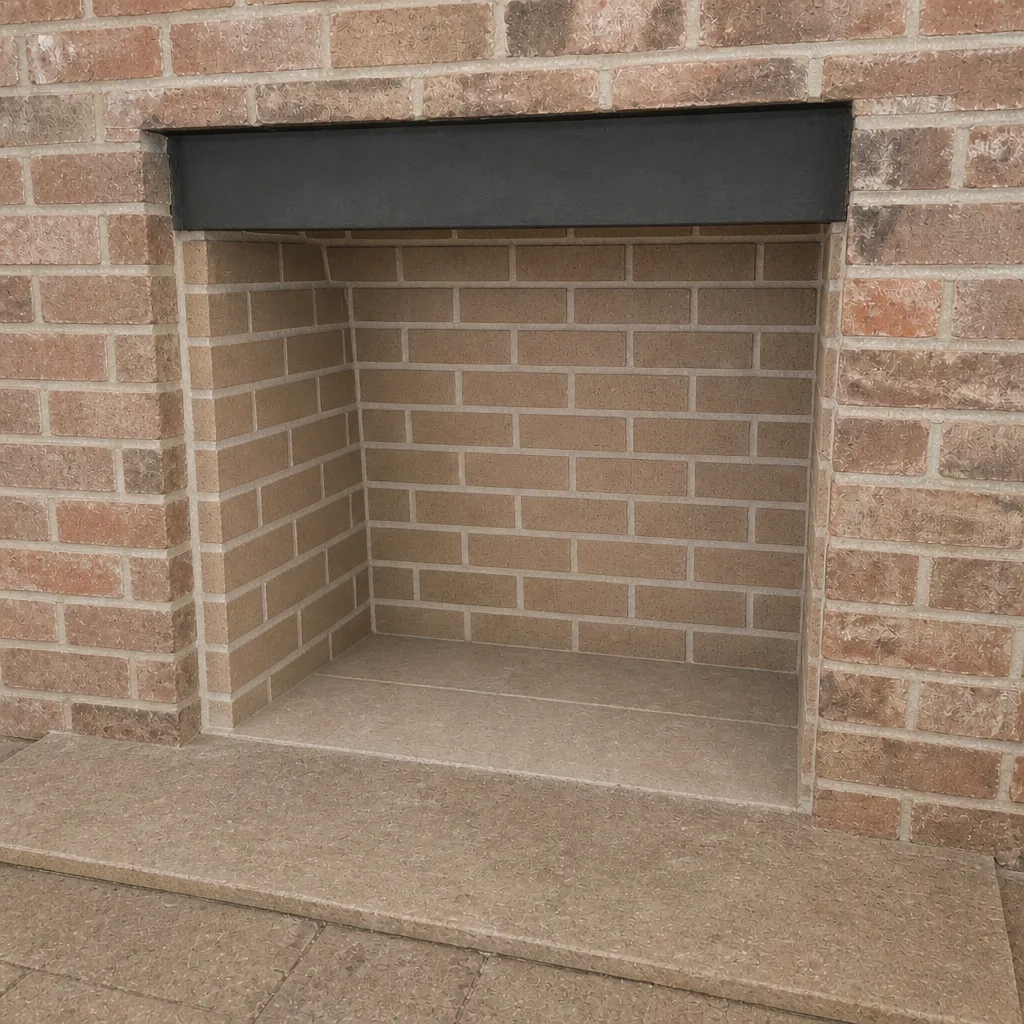
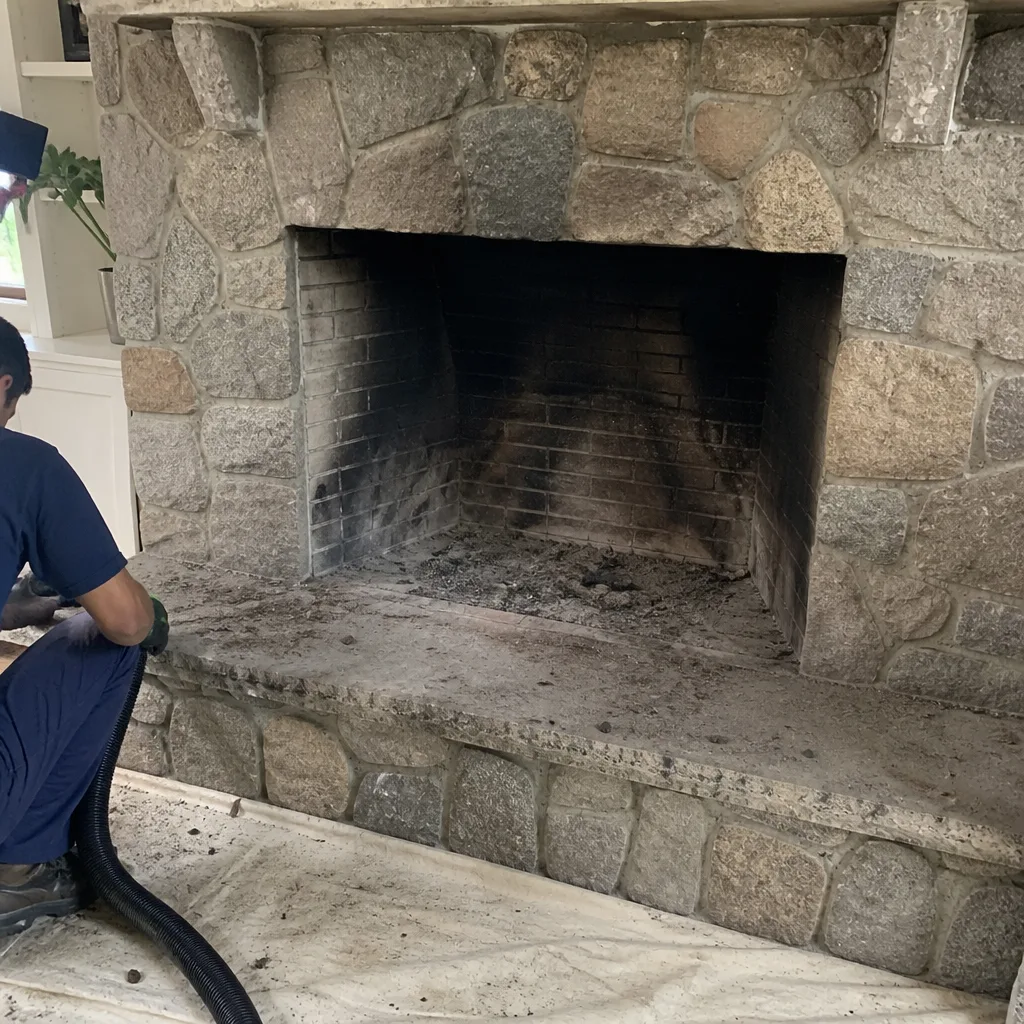
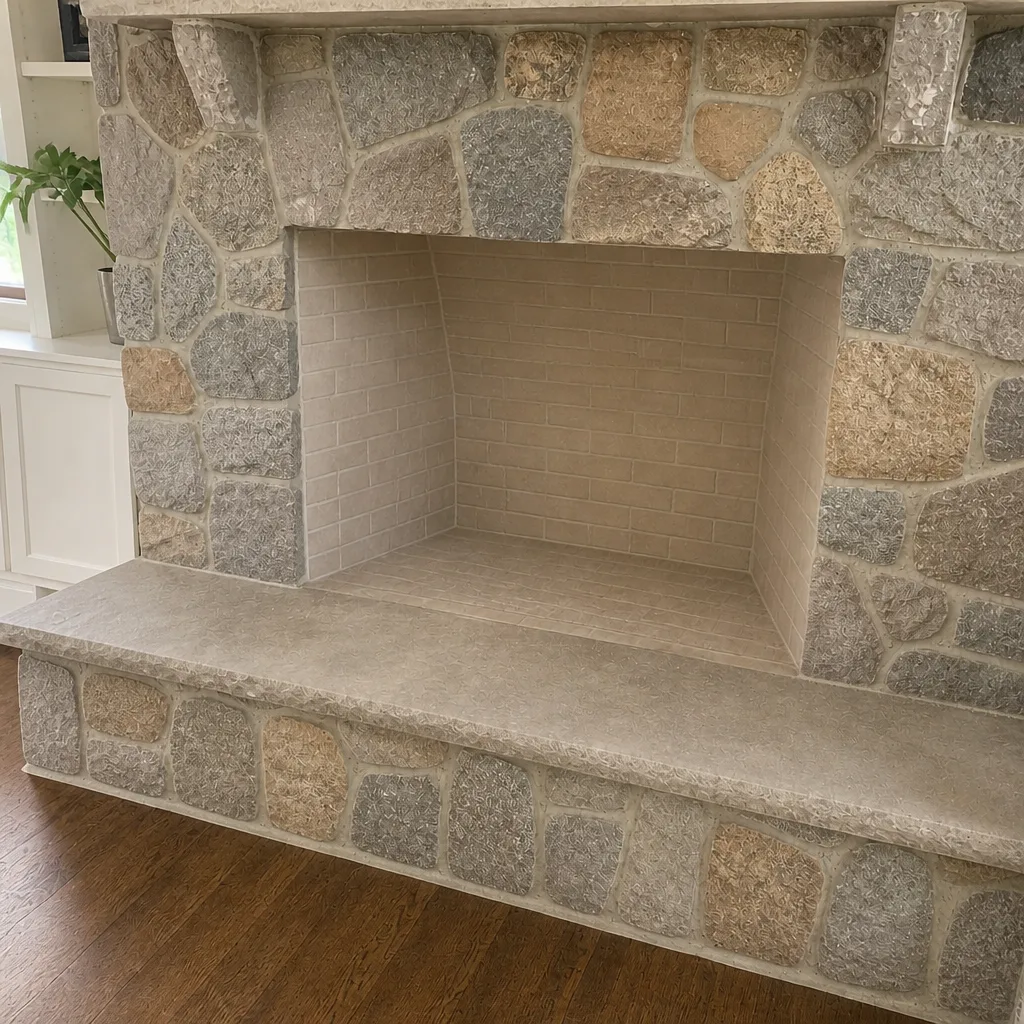
See the difference
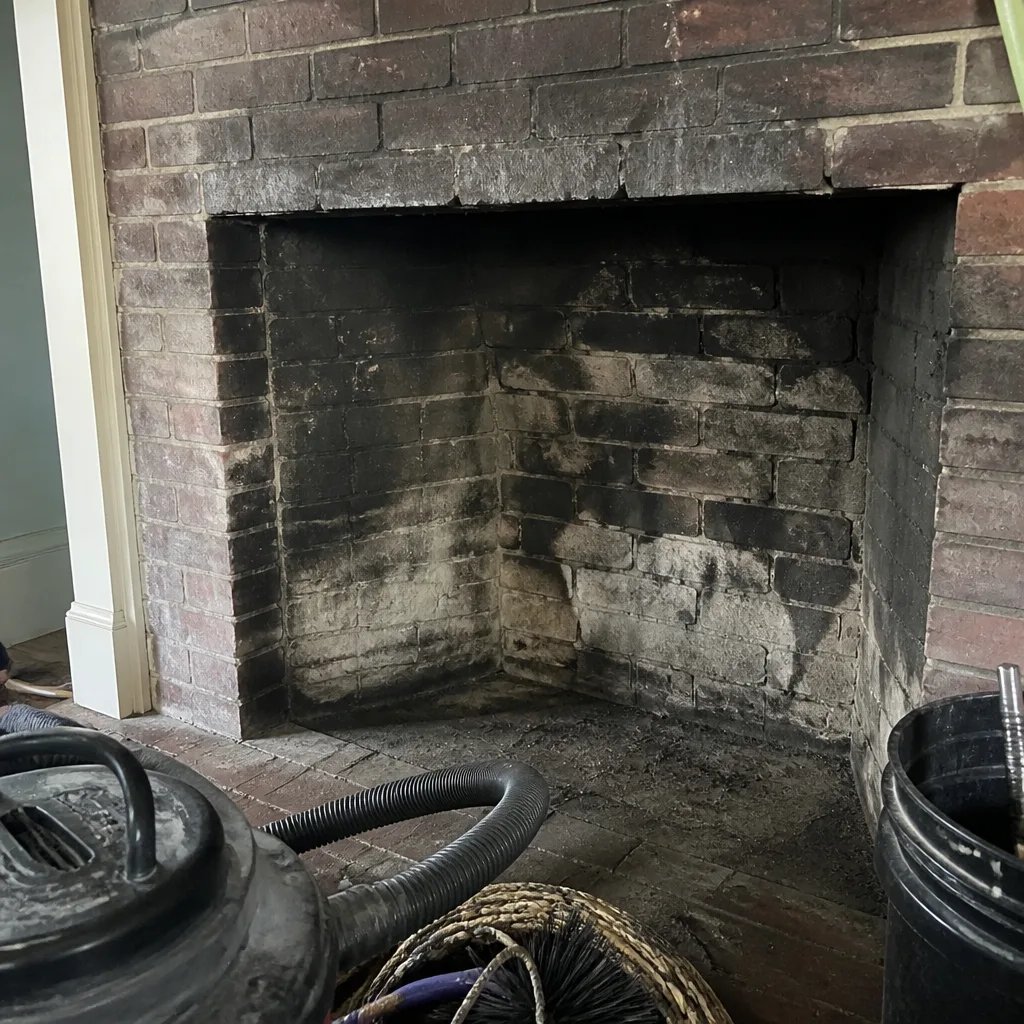 Before
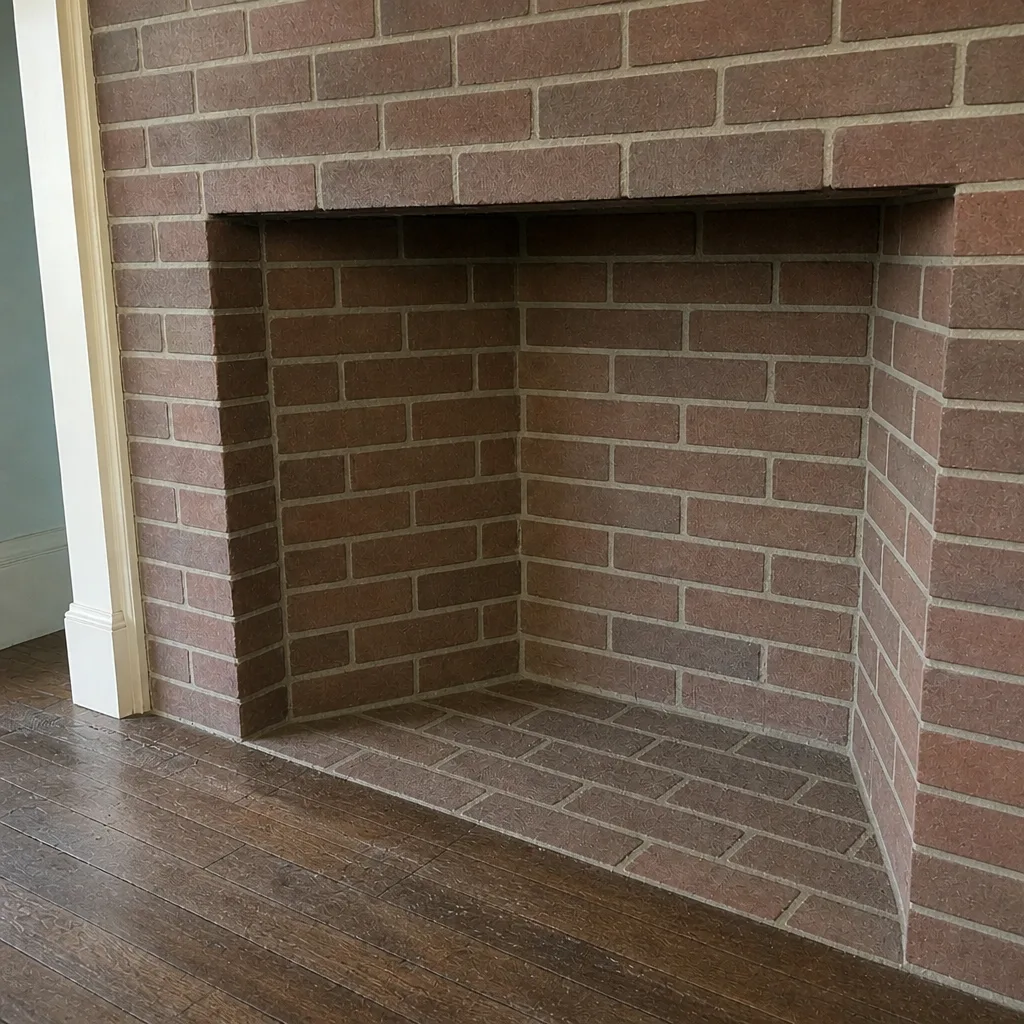 After
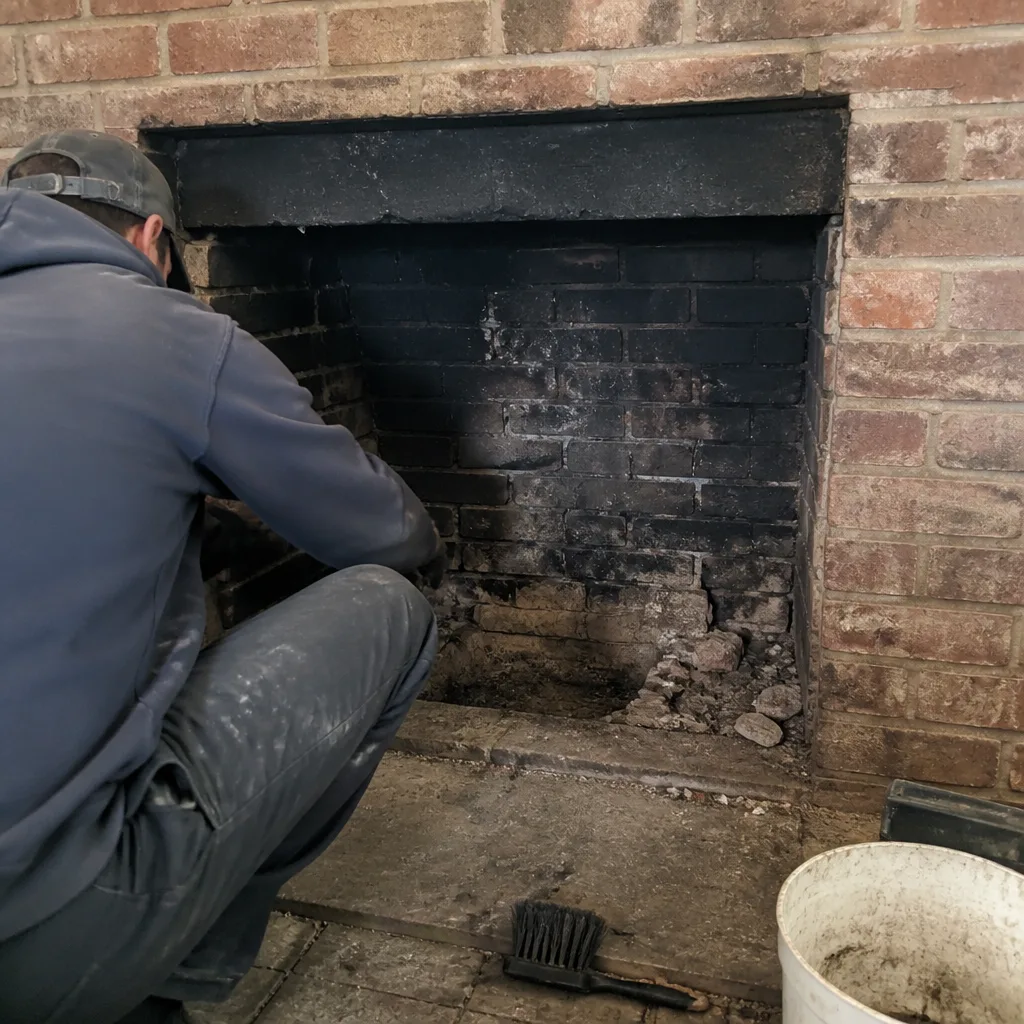 Before
 After
 Before
 After
When to Call a Professional
Some chimney questions can wait, and some can’t. Smoke rolling back into the room when you light a fire, a draft that’s gotten weaker over a season, visible cracking in the crown or the masonry, or a failed inspection during a home sale are all reasons to get a specialist out. So is a flue that hasn’t been swept in a year or more, and so is any smell of creosote in the house between burns. In each case, the first step is a camera inspection, and the recommendation should come with evidence you can see for yourself. Our technicians have up to 12 years of experience, and we’re a specialist company that handles sweeping, inspection, and repair, so a problem found during a cleaning doesn’t need a second call. If you want to know where your chimney stands before the season starts, call us for a free estimate – the number is at the bottom of this page, and the answers are honest about what can safely wait.
Frequently Asked Questions
A chimney sweep is priced per job by a written estimate, so the quote you get depends on the chimney, the flue condition, and what’s found during inspection. We give a flat price agreed before booking, and every estimate includes a camera inspection and a photo report. Call (866) 361-9861 for an exact figure – estimates are free.
A contractor should be able to name the product and the category for each part of the job – a crown coating for the crown, a liner restoration product for mortar joints, a flexible stainless liner for an offset flue. The brand matters less than whether it’s trade-grade and matched to the job. HeatShield, Gelco, Olympia Chimney, Famco, DuraFlex, and Copperfield are names you’ll see in professional chimney work; a contractor who can tell you why they chose one over another is the one to hire.
Not always. A failed flue doesn’t automatically mean a full liner replacement. Liner restoration products like HeatShield address deteriorating mortar joints without a full reline, and that’s often the right call for a flue that’s worn but structurally sound. The way to know is a camera inspection followed by a recommendation you can see on screen. If a contractor tells you that you need a full liner without showing you why, ask to see the footage.
Creosote accumulates year after year, and in a wood-burning flue it can reach a glazed, hard-to-remove state. That’s a safety concern, not just a maintenance one, because creosote is a fire hazard and a blocked flue affects how the appliance drafts. Skipping a sweep doesn’t produce an immediate problem in every case, but the buildup doesn’t reverse itself. If you don’t know when your flue was last cleaned, book a sweep and find out what’s actually in there.
It means the product is built to a known standard, with documented performance data, compatibility with standards like NFPA 211, and a manufacturer’s warranty aimed at contractors. It’s distributed through professional channels rather than the hardware aisle, and it’s the reason a crown repair can last a decade with one product and a few years with another. A contractor who uses trade-grade products can tell you which one they’re applying and why.
A generalist can handle some of it, but chimney repair is a system, not a single product. Flexible liner work in an offset flue, liner restoration, and crown work each call for trade-grade products and experience applying them. A specialist handles sweeping, inspection, and repair under one roof, so the diagnosis and the fix come from the same team, and the recommendation is backed by camera evidence rather than guesswork.
The Bottom Line
The brands behind a chimney job are what separate a repair that lasts from one that fails early. Trade-grade products carry documented performance data, work with standards like NFPA 211, and come with a manufacturer warranty. Generic substitutes are sold on price and fail on cue. A homeowner who can ask “what product, on which part of the chimney, and why” has more leverage than any warranty. In Suffolk, look for a specialist who handles sweeping, inspection, and repair as one scope, uses professional-channel products, and shows you the camera evidence before recommending work. That’s the whole guide in one sentence.
If you’d rather just get the answer for your own chimney, call Chimney Sweep Suffolk at (866) 361-9861 for a free estimate. We answer 24/7, with fast dispatch from 7am to 7pm, Sunday through Friday.
Written by the team at Chimney Sweep Suffolk.