
Last updated November 15, 2026
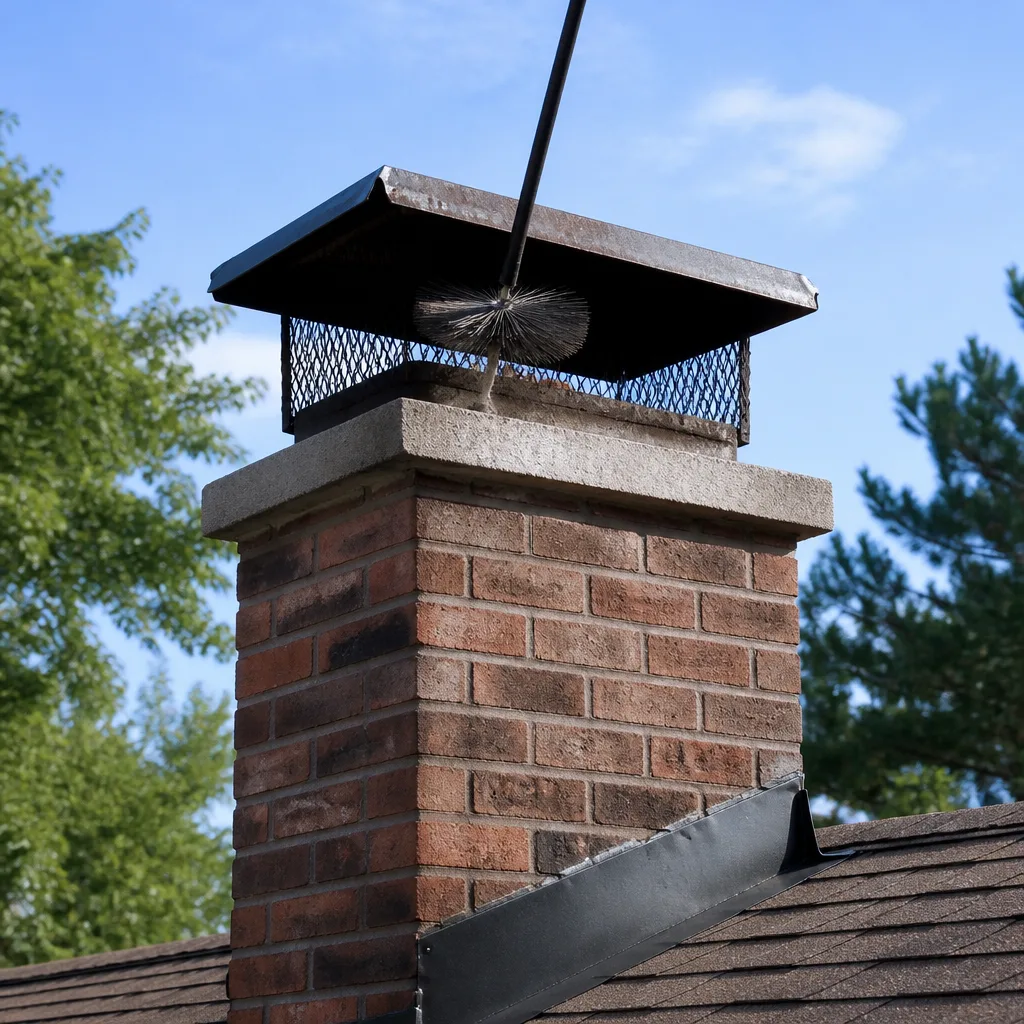 Sweep & inspection
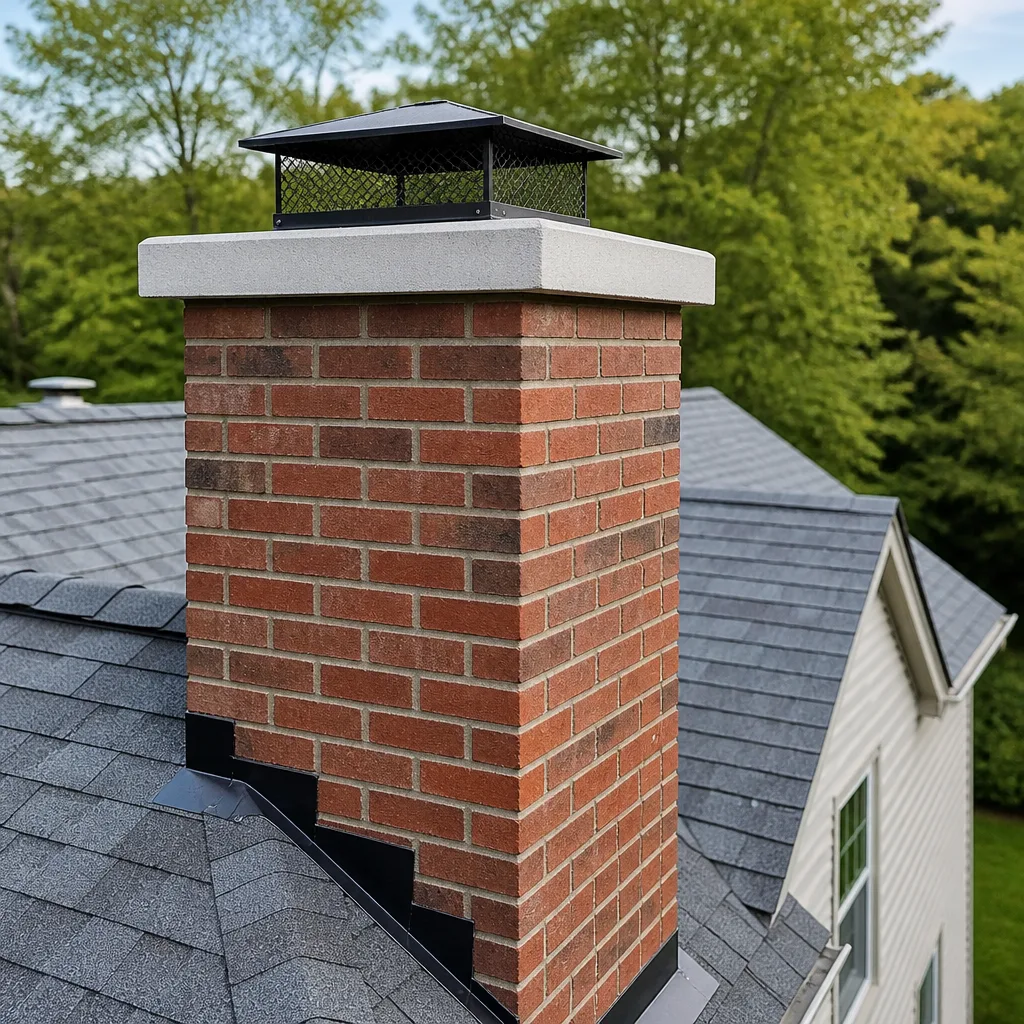 Caps & crowns
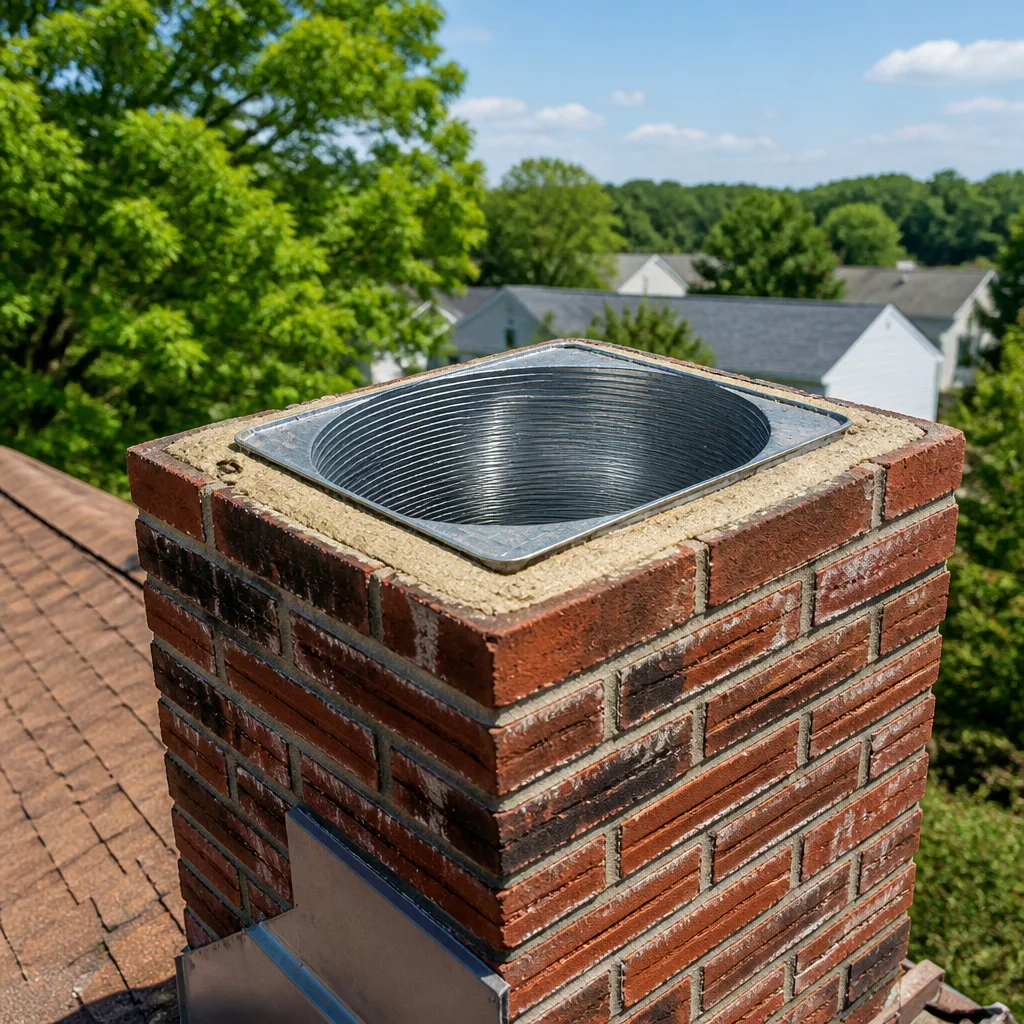 Flue relining
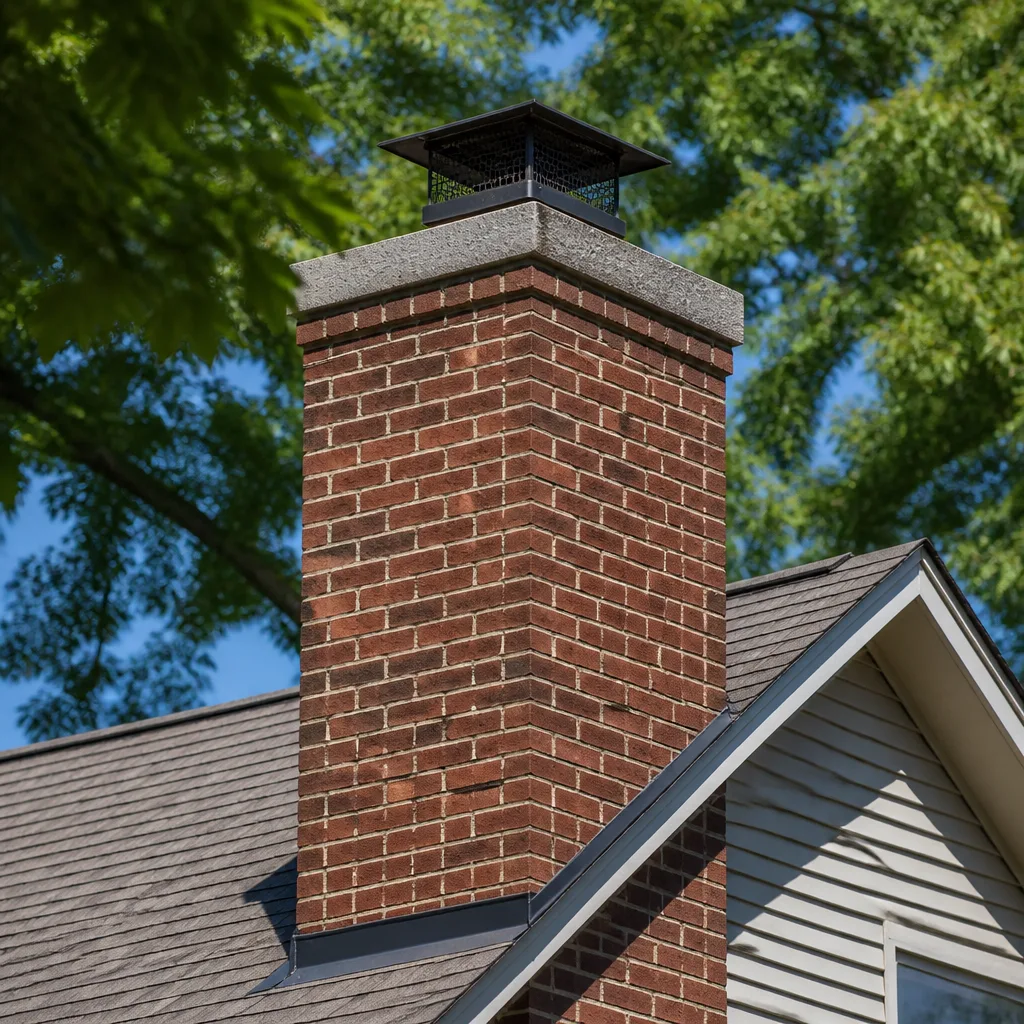 Masonry repair
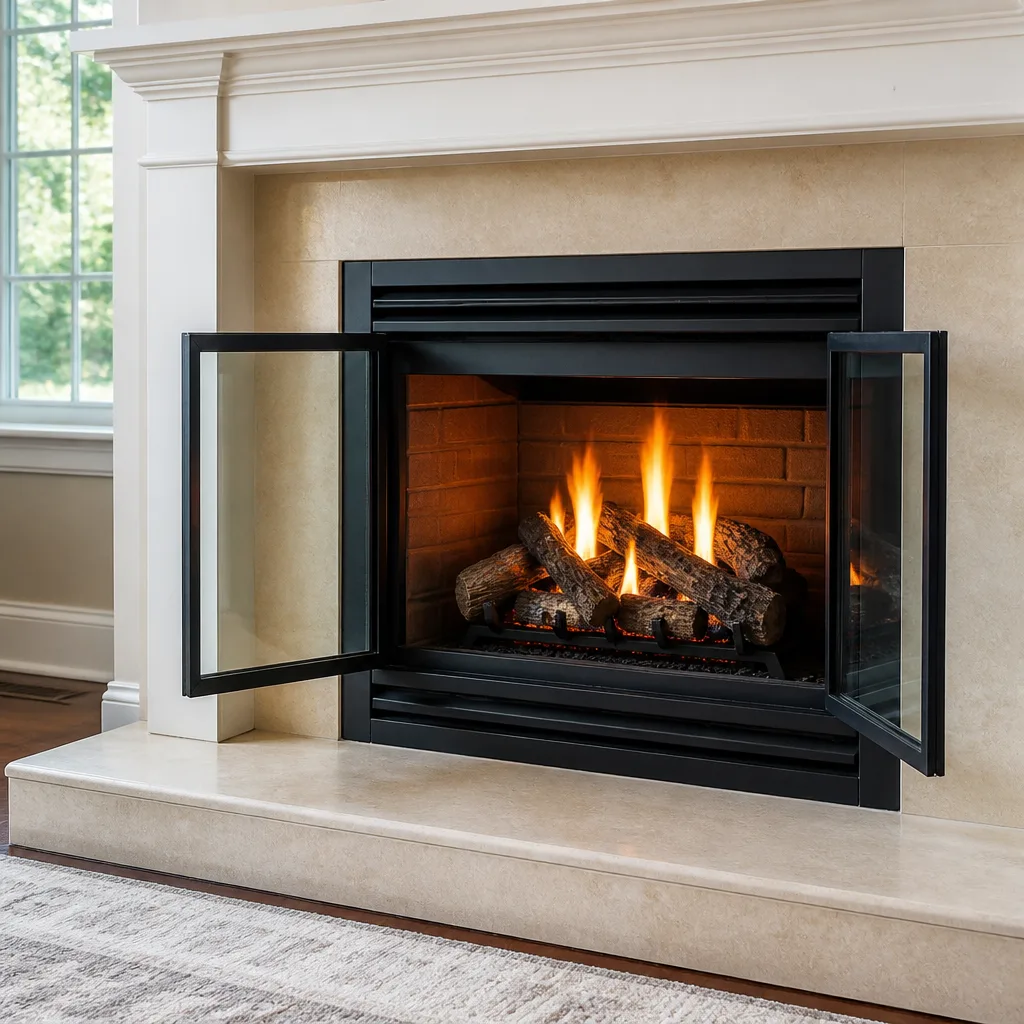 Gas fireplace service
Level 1 sweep and inspection to the NFPA 211 annual standard - flue, crown, cap, and flashing checked and photographed
Chimney sweep logs do not sweep chimneys. They loosen some creosote - which then falls where a brush and vacuum still have to collect it.
How to Hire a Chimney Cleaning Contractor in Suffolk: A Step-by-Step Guide
A $99 sweep coupon and a magnet on the truck tell you almost nothing about whether the person arriving can spot a cracked flue tile, a failed damper seal, or a gap in the smoke chamber parging that will cost real money down the road. The cheapest cleaning in Suffolk is the one that leaves a structural problem undiscovered for another season. This guide is built around a single hiring filter: can the contractor diagnose what they find, or can they only push a brush and hand you a receipt? You’ll get the exact questions to ask, what a real inspection report should contain, and the warning signs that a quote is hiding more than it’s telling.
Quick Answer
To hire a chimney cleaning contractor in Suffolk, verify three things before you book: that the technician holds a CSIA Certified Chimney Sweep credential, that the company carries both liability and workers’ compensation coverage you can request in writing, and that they’ll provide a written inspection report after the sweep, not just verbal findings. The sweep itself is the easy part. The reason to hire a specialist is what happens when the brush reveals a problem.
Styles & brands we work with
- Sweep & inspection
- Caps & crowns
- Flue relining
- Masonry repair
- Gas fireplace service
Table of Contents
- Why Diagnosis Matters More Than the Cleaning
- CSIA vs. NFI: What Each Credential Actually Covers
- The Interview Questions That Reveal Diagnostic Ability
- What a Written Inspection Report Should Contain
- How to Verify Insurance for Property and On-Site Injury
- Warning Signs in Quotes and Proposals
- Hiring in Suffolk: Local Factors That Matter
- The Step-by-Step Hiring Process
Why Diagnosis Matters More Than the Cleaning
A chimney sweep is a mechanical task. A brush goes up, creosote comes down, the firebox gets vacuumed. Almost anyone with the equipment can do it. Diagnosis is different, and it’s where most of the value of a professional visit actually lives.
What a trained technician is looking for during a sweep goes well beyond soot. They’re checking the flue tiles for cracks and spalling, the mortar joints for deterioration, the smoke chamber for proper parging, the damper for a tight seal, the crown for cracks that let water in, and the flashing at the roofline for gaps. Each of those is a separate failure mode with its own repair path. A sweep-only operator finds creosote and leaves the rest alone, because the rest isn’t what they came for.
This is the core difference between a chimney specialist and a generalist who adds chimney cleaning to a menu. At Chimney Sweep Suffolk, the sweep, the inspection, and the repair are handled under one scope, which means when a technician finds a failing joint in the flue, the conversation about what to do next happens the same day with the same people. No referral gap. No second company with a different opinion and a different price.
In our experience, the homeowners who end up frustrated in Suffolk are rarely the ones who paid too much for a cleaning. They’re the ones who paid twice: once for a sweep that missed a liner problem, and again later for the repair that problem turned into. Hiring for diagnostic capability up front is cheaper than hiring for the lowest cleaning price.
CSIA vs. NFI: What Each Credential Actually Covers
Two credentials come up constantly in chimney hiring conversations, and they’re often treated as interchangeable. They aren’t. Understanding what each one qualifies a technician to assess will sharpen every question you ask after this section.
CSIA Certified Chimney Sweep is issued by the Chimney Safety Institute of America. It’s the credential most closely tied to the cleaning and inspection side of the trade. A CSIA-certified technician has passed an exam covering venting, codes, and the identification of chimney defects, and the certification requires continuing education to maintain. When you’re hiring for a sweep and an inspection, CSIA is the baseline credential to look for.
NFI certification comes from the National Fireplace Institute, and it’s oriented toward the installation and venting of hearth appliances: wood stoves, inserts, gas appliances, and their flue connections. An NFI-certified technician is trained to assess how an appliance connects to its venting and whether that configuration is correct. If you have a wood insert or a stove rather than an open fireplace, NFI-relevant knowledge is part of what you want in the room.
Here’s the practical takeaway:
- For a standard fireplace sweep and inspection, ask for CSIA Certified Chimney Sweep status.
- For an insert or stove installation question, ask whether the technician has NFI training.
- For a repair that involves relining or restoring the flue, ask what lining systems they install and with which materials.
One credential does not replace the other, and a real specialist will tell you plainly which one applies to your chimney rather than claiming both cover everything. If a contractor can’t explain the distinction, that itself is your answer about how deep their training goes.
The Interview Questions That Reveal Diagnostic Ability
You can learn a lot in a five-minute phone call. These questions are designed to separate a technician who can identify a problem from one who can only clean around it. Ask them before you book.
- “What do you check besides the flue?” A strong answer mentions the damper, the smoke chamber, the crown, the flashing, and the firebox. A weak answer is “the flue.”
- “How do you assess the liner?” Listen for the word “camera” or “video.” Visual inspection from the top and bottom is standard, but a real assessment of a deteriorated flue often calls for a camera.
- “If you find cracked tiles, what are my options?” You’re listening for more than one path. A specialist should be able to describe relining and, where appropriate, restoration of the existing flue. At Chimney Sweep Suffolk we work with HeatShield for liner restoration that addresses deteriorating mortar joints without automatically requiring a full liner replacement, which is a middle option most sweep-only operators can’t offer.
- “What brands of liner do you install?” Trade-grade systems like DuraFlex and Olympia Chimney tell you the contractor works with professional materials rather than hardware-store substitutes. Familiarity with flexible stainless systems matters for older or offset flues that rigid liners can’t navigate.
- “Will I get findings in writing?” The answer should be an immediate yes. If it’s “I’ll tell you what I see,” keep looking.
- “Who does the repair if something’s wrong?” If the answer is “we refer that out,” you’ve just found the diagnostic gap this guide is about.
A contractor who can diagnose will answer these without hesitation and without upselling. One who can only clean will get vague, pivot to price, or promise to “take a look when we’re there.” That last phrase is the tell.
What a Written Inspection Report Should Contain
Verbal findings are a liability, and it’s worth being blunt about why. If a technician tells you in your living room that the flue looks fine and later a problem surfaces, you have no record of what was said, no documented condition at the time of the visit, and nothing to point to. A written report is your record. It’s also the thing that protects you in a home sale, an insurance conversation, or a dispute over work quality.
A proper written inspection report should include:
- The date of the inspection and the address of the property.
- The type of inspection performed. Industry standards recognize different levels, and the report should state which one applies to your situation.
- The condition of the flue, liner, damper, smoke chamber, crown, flashing, and firebox, each addressed individually.
- Any defects found, described specifically, with photos or camera footage where available.
- Recommendations, separated into what needs attention now and what can safely wait.
- A clear statement of what was not assessed, if anything, so the report doesn’t overstate its own coverage.
That last point matters more than people expect. A report that claims everything is fine without stating the limits of what was checked is less useful than one that’s honest about scope. The best reports tell you what they found, what they couldn’t see, and what to do next. If a contractor hands you a one-line receipt instead of a report, ask why.
How to Verify Insurance for Property and On-Site Injury
Chimney work happens on ladders, on roofs, and inside the structure of your home. Two kinds of insurance matter, and they protect two different people.
General liability insurance covers damage to your property. If a drop cloth slips and a tool cracks a hearth tile, or a ladder knocks a gutter loose, liability coverage is what stands behind the repair. Without it, that damage is a conversation between you and your homeowner policy.
Workers’ compensation insurance covers the technician if they’re injured on your property. This is the one homeowners forget, and it’s the one that can matter most. If an uninsured worker falls from your roof, the injury can become your liability. A company that carries workers’ comp removes that exposure from your shoulders.
How to verify both:
- Ask, in writing, for a certificate of insurance before the appointment is booked.
- Check that the certificate names both general liability and workers’ compensation coverage.
- Call the insurance agent listed on the certificate to confirm the policy is current. Certificates can be stale, and a quick call resolves it.
- Ask directly whether the crew arriving is employed or subcontracted, since coverage differs depending on the answer.
Any legitimate chimney company in Suffolk will provide these documents without pushback. Hesitation here is a warning sign, not a clerical delay.
Warning Signs in Quotes and Proposals
Most bad chimney hires announce themselves in the paperwork before anyone climbs on the roof. Watch for these.
- Vague scope. A quote that says “chimney cleaning” and nothing else doesn’t tell you whether an inspection is included, what areas are checked, or what happens if a problem turns up. A real proposal lists the scope.
- No liner assessment. If the proposal never mentions the flue liner, the contractor isn’t planning to assess it. That’s the single most expensive component of your chimney.
- Cash-only pricing. Cash-only is a signal about licensing and insurance, not a courtesy. It also leaves you without a paper trail if something goes wrong.
- No post-service documentation. A quote that promises a cleaning but not a report is telling you what kind of visit to expect.
- A price that appears before any questions. A real quote follows a look at your setup. If someone quotes a firm number sight unseen, they’re pricing a coupon, not your chimney.
- Repair recommendations on the first visit without evidence. Some companies manufacture repair tickets. If you’re told you need a liner and shown nothing, ask to see the camera footage or the report. Nothing should be recommended without evidence you can review.
- No brand or material detail. When a proposal names the liner or restoration system, like a DuraFlex or HeatShield product, you can verify the material standard. An unnamed product is an unknown product.
None of these are about price. They’re about the information you’ll have when the visit is done.
Hiring in Suffolk: Local Factors That Matter
Suffolk is a city of long, warm, humid summers and short winters with plenty of burning-season fireplace use. That pattern affects chimneys in ways that are worth knowing when you’re choosing a contractor.
Summer humidity is hard on masonry. Moisture moves through brick and mortar, and repeated wetting and drying in Suffolk’s climate accelerates spalling and mortar joint deterioration, especially on older chimneys and on the crown, where water pools. That’s part of why liner and crown condition deserve a real look each year, not just a brush. A sweep that ignores the masonry is only doing half the job in this climate.
Housing stock across Suffolk varies widely. Older homes often have offset or irregular flue configurations that resist rigid liners, which is where familiarity with flexible stainless systems matters. Newer construction sometimes has its own venting quirks around inserts and stoves. A specialist who has worked across both ends of the local housing market will recognize the pattern quickly.
Hiring local matters for one practical reason beyond convenience: the person who diagnoses your chimney should also be able to repair it, and the contractor who does both is the one accountable for the outcome. If you’re near the Suffolk area and want a starting point, a chimney sweep is the right first appointment, and any findings lead directly into chimney repair with the same company. That continuity is the whole point.
Our technicians have up to 12 years of experience working chimneys in this climate, which is long enough to know what a Suffolk summer does to mortar and what creosote buildup looks like after a heavy burning season.
The Step-by-Step Hiring Process
Here’s the whole process, condensed into an order you can follow this week.
- Confirm the credential. Ask for CSIA Certified Chimney Sweep status and, if you have an insert or stove, whether the technician has NFI training.
- Ask the diagnostic questions. Use the interview list above. Listen for specifics, not promises.
- Request the insurance certificate. Confirm both general liability and workers’ compensation, and verify with the agent.
- Get the scope in writing. The quote should list what’s included: sweep, inspection, report, and whether a camera assessment is part of it.
- Book the sweep and inspection together. If a company tries to sell you a sweep without an inspection, ask what happens to the findings.
- Review the report before approving any repair. Read the findings, look at the photos, and ask what can safely wait.
- Approve work only with evidence. If a liner or masonry repair is recommended, the recommendation should be backed by something you can see.
That’s it. Seven steps, and the whole filter comes down to one question at the center: can this contractor tell you what they found and show you why it matters? If the answer is yes, the price conversation becomes much simpler, because you’re buying a diagnosis, not just a cleaning.
If you’d rather start with a look, we offer chimney inspection as a standalone service, structured to find problems honestly rather than to manufacture repair tickets. You can read more about how we work on our Chimney Sweep Suffolk page.
Common Mistakes to Avoid
- Hiring on price alone. The lowest quote on a sweep is the one most likely to skip the inspection that would have caught a liner problem. You didn’t save money; you delayed a cost.
- Accepting verbal findings. If nothing is written down, you have no record of the chimney’s condition. In Suffolk’s market, that gap can surface during a home sale when the buyer’s inspector finds what yours didn’t.
- Assuming the sweep includes an inspection. They’re separate services, and a sweep-only visit won’t catch what an inspection is designed to catch. Confirm which one you’re booking.
- Skipping the insurance check. A certificate of insurance takes five minutes to request. Not asking can cost far more if a worker is hurt on your roof.
- Approving a liner replacement without evidence. A recommendation without camera footage or photos gives you nothing to evaluate. Ask to see what they saw.
- Not asking about the repair path. If the company that sweeps can’t also repair, you’ll need a second company to act on the findings, and the handoff is where problems get lost.
- Treating the chimney as a one-season job. Annual maintenance is what catches deterioration while it’s inexpensive to address. Skipping a year in Suffolk’s humidity is how small mortar issues become structural ones.
See the difference
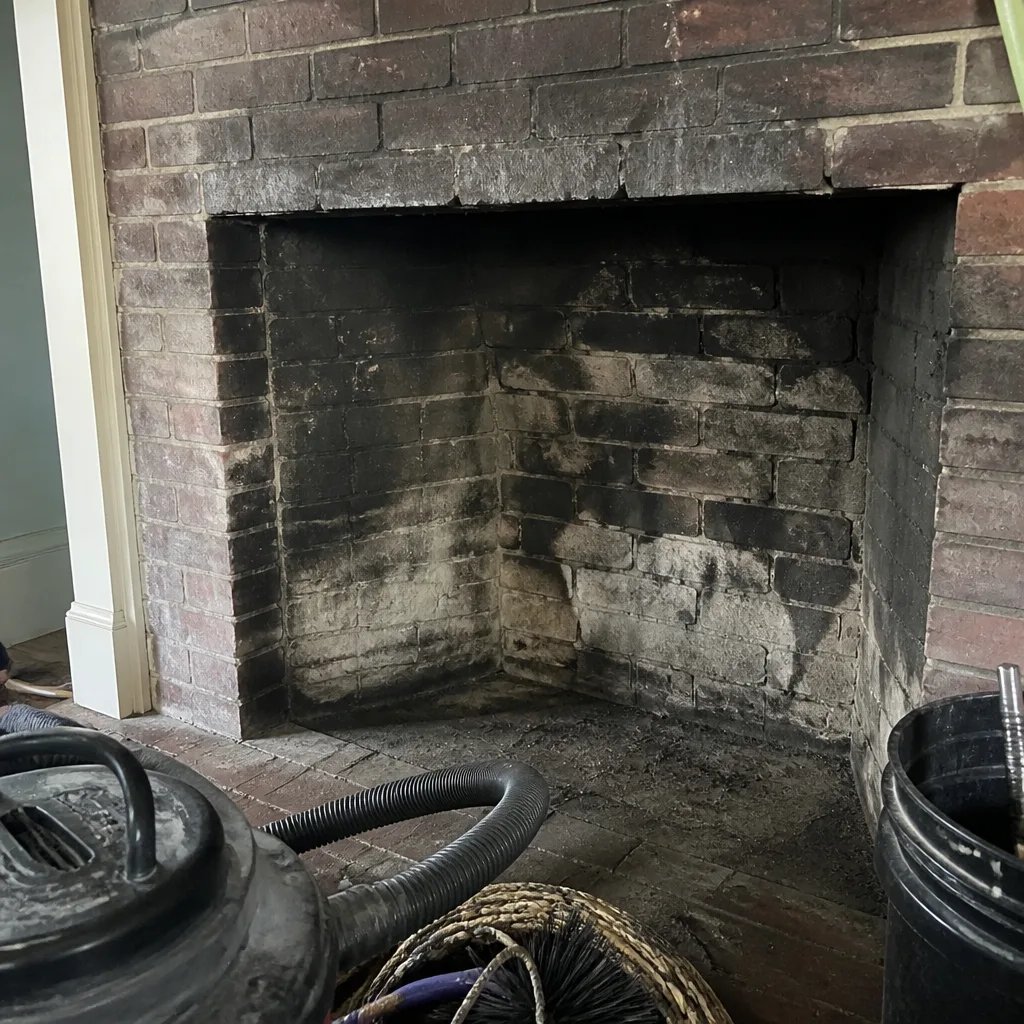 Before
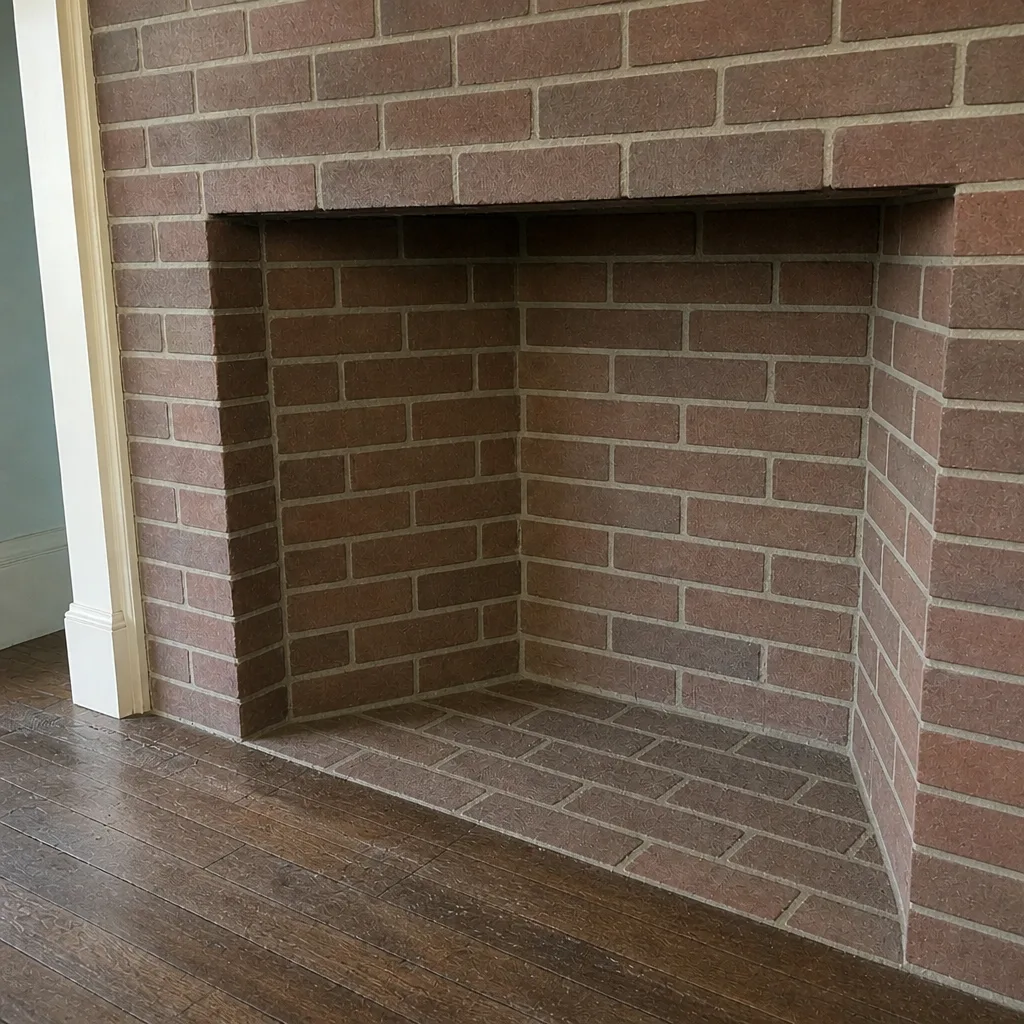 After
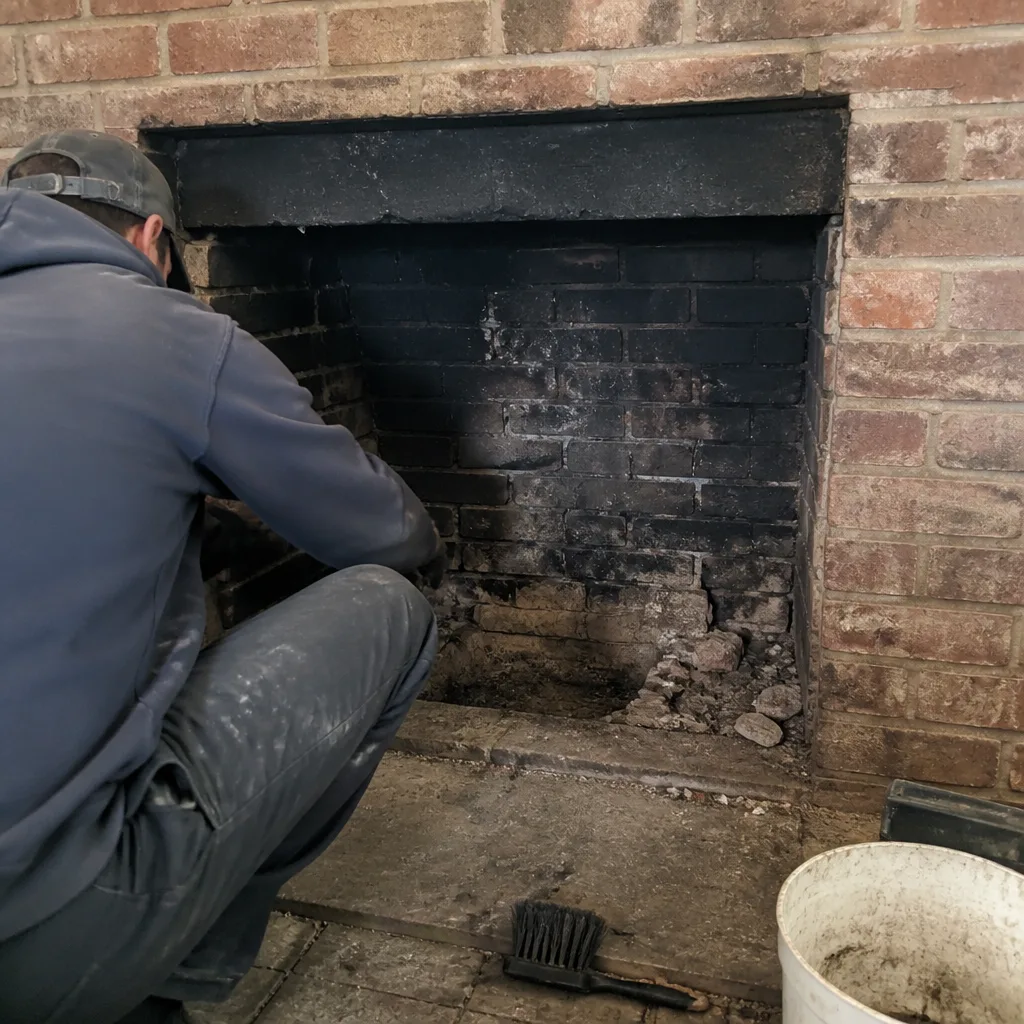 Before
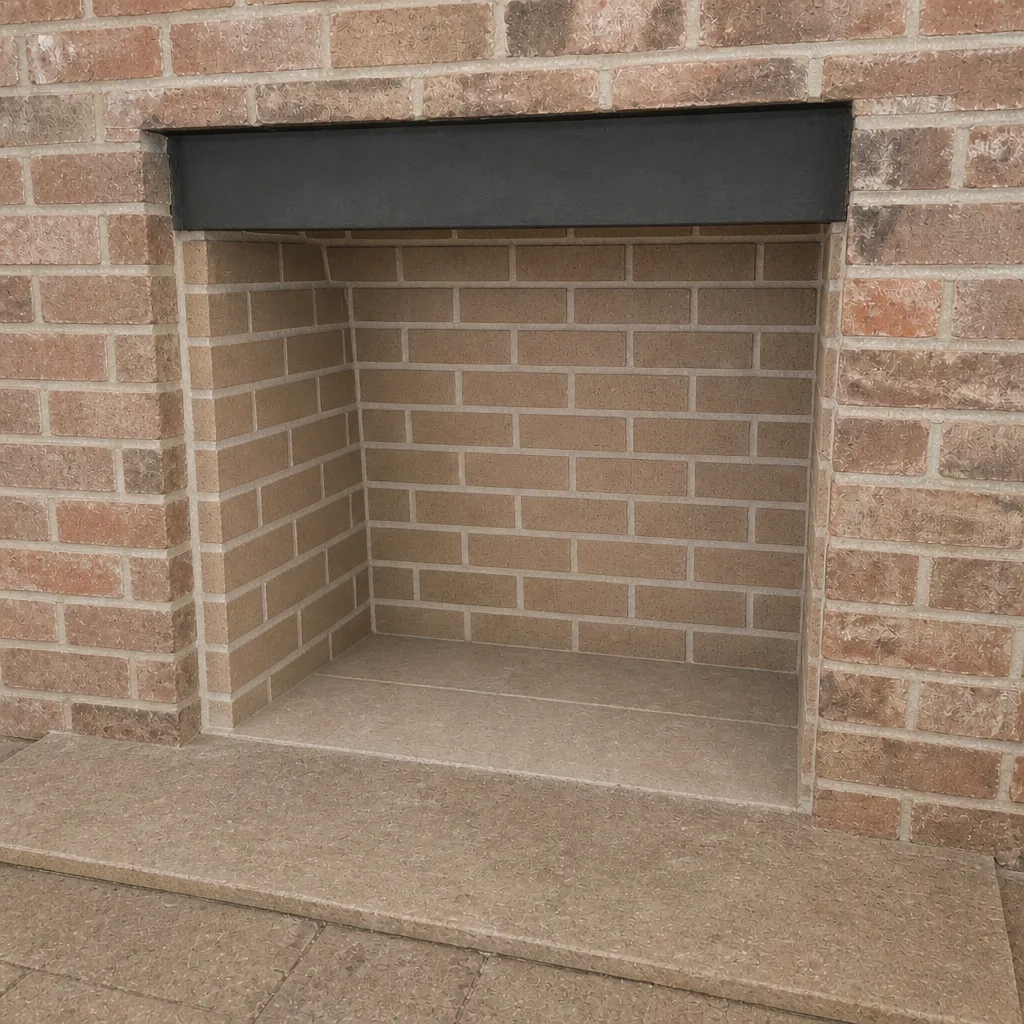 After
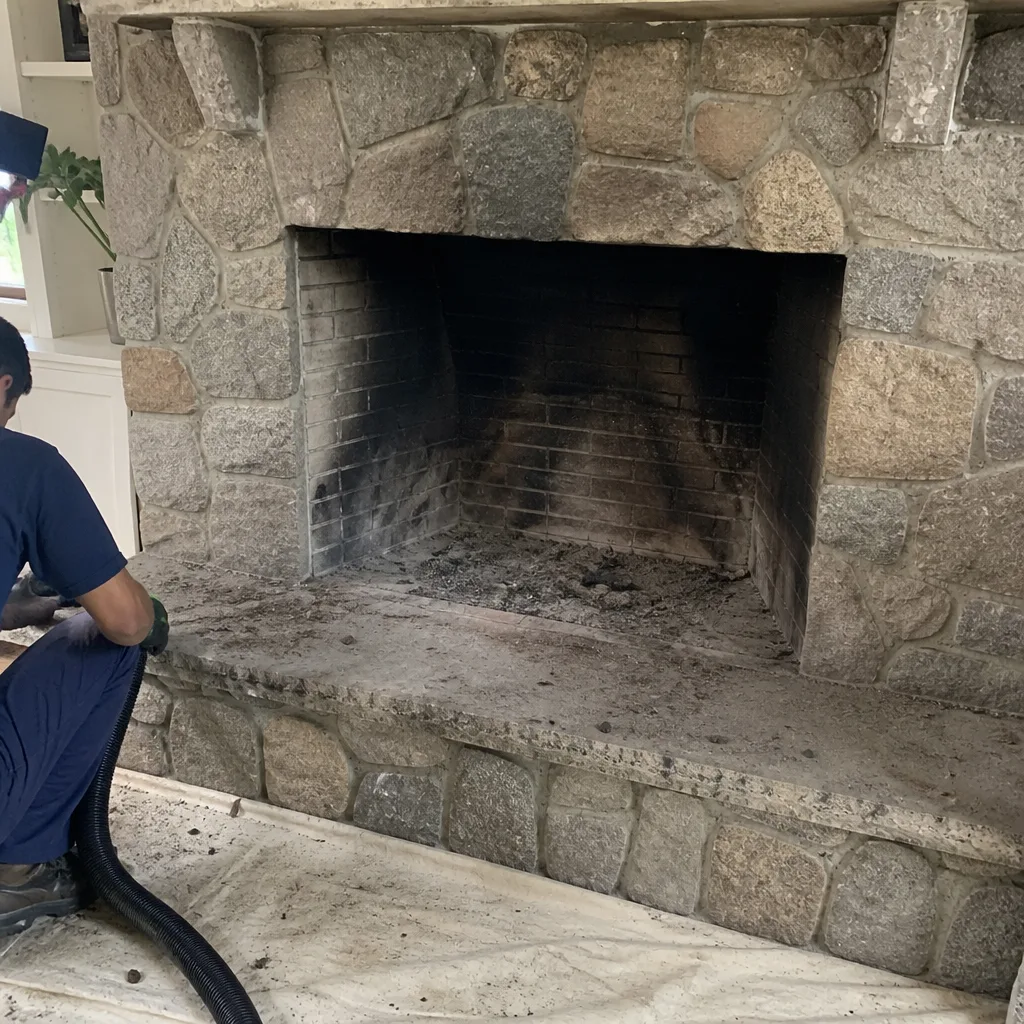 Before
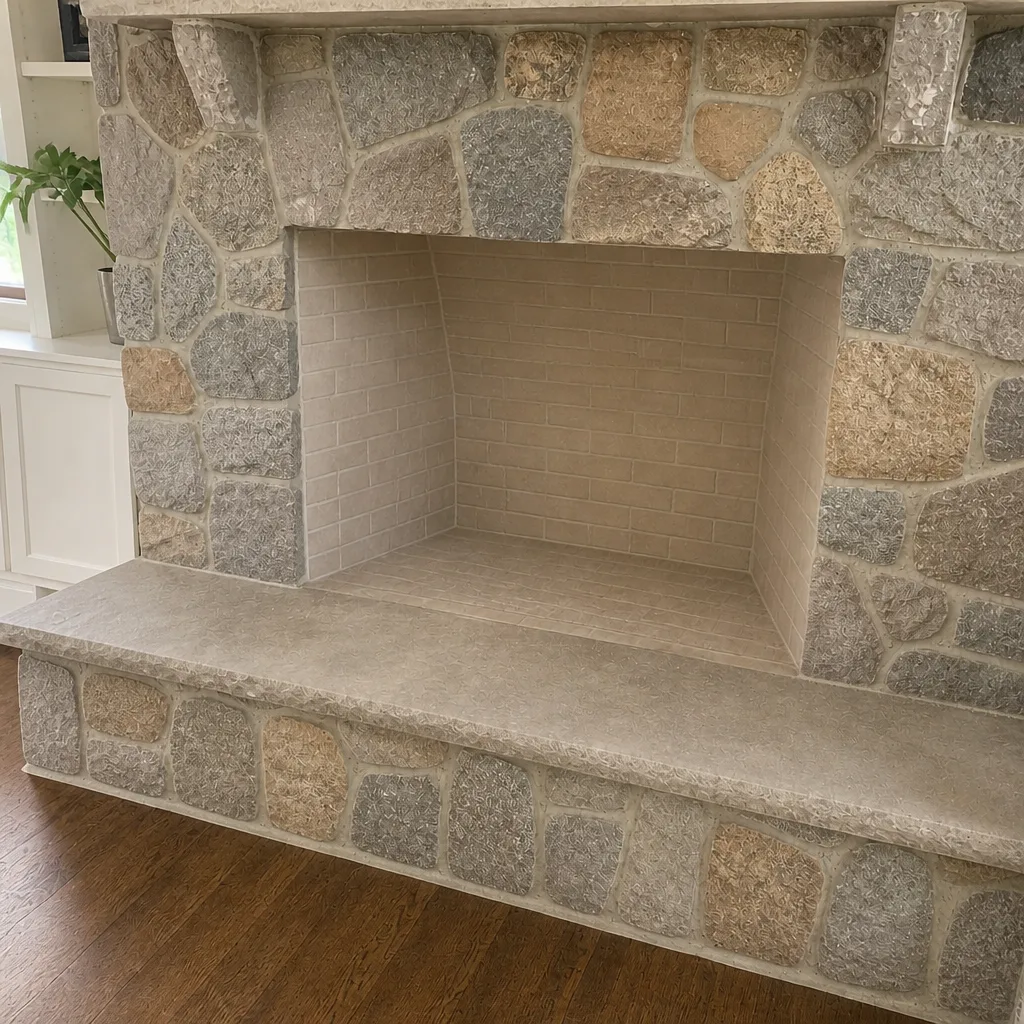 After
When to Call a Professional
Some situations call for a professional visit rather than a DIY look up the flue. If you’ve noticed smoke rolling back into the room when you light a fire, that’s a draft problem worth diagnosing. If you can see cracked or crumbling masonry at the roofline or inside the firebox, get it assessed before the next burning season. If you’ve had a chimney fire, even a small one, the flue needs a professional inspection afterward. A failed home-sale inspection is another clear trigger. So is any odor of creosote or smoke indoors when no fire is burning. And if it’s simply been more than a year since the last sweep, book one. Chimney Sweep Suffolk offers free estimates in Suffolk; call (866) 361-9861. We answer 24/7, with fast dispatch from 7am to 7pm, Sunday through Friday.
Frequently Asked Questions
Most chimney sweeps in Suffolk fall into a fairly narrow range per job, and the final price is set by a written estimate after the technician sees your setup. The estimate is free, and it should be flat-priced and agreed before the visit. Cheap coupons usually buy a brush and nothing else, so ask what the price includes before you compare numbers. Call (866) 361-9861 for an exact quote; estimates are free.
Only if a proper inspection shows your existing flue can’t safely vent what you’re burning, and you should see the evidence before you agree to anything. Many liners recommended as full replacements can actually be addressed with restoration work like a HeatShield application, which addresses deteriorating mortar joints without requiring new liner installation. Ask to see the camera footage or report findings. Call (866) 361-9861 for an assessment and a written recommendation; estimates are free.
For most homes with an actively used fireplace, once a year is the standard, and that annual visit is also when the inspection happens. In Suffolk’s humid climate, the yearly visit is where masonry and crown issues get caught while they’re still small. If you burn heavily or burn unseasoned wood, the creosote builds faster and the annual check becomes more important, not less. Call (866) 361-9861 to book a sweep and inspection; estimates are free.
Creosote accumulates in the flue, and heavy creosote deposits are a chimney fire risk because the residue is combustible. Separately, skipping the visit means problems in the masonry, damper, or liner go unnoticed for another season, and those tend to get more expensive the longer they sit. A chimney fire or a carbon monoxide issue is the serious end of the risk, which is why the sweep and inspection belong together each year. Call (866) 361-9861 to book; estimates are free.
With a specialist, yes, and that’s the reason to hire one. Sweep, inspection, and repair in one scope means the person who finds a problem is the person who can fix it, with no referral gap and no second opinion to sort out. Ask any contractor you interview who does the repair if a problem turns up. Call (866) 361-9861 to book Chimney Sweep Suffolk; estimates are free.
A proper report covers the flue, liner, damper, smoke chamber, crown, flashing, and firebox individually, states which level of inspection was performed, notes any defects with photos or footage, and separates what needs attention now from what can safely wait. If anything wasn’t assessed, the report should say so. Verbal-only findings leave you with no record, which is why we put everything in writing. Call (866) 361-9861 to book an inspection; estimates are free.
The Bottom Line
Hiring a chimney contractor in Suffolk is a diagnostic hiring decision, not a price comparison. The sweep itself is routine; the value is in whether the person holding the brush can identify a cracked flue tile, a failed damper seal, or a deteriorating mortar joint before it becomes an expensive repair. Ask for the CSIA credential, ask the diagnostic questions, verify both kinds of insurance, demand written findings, and treat vague quotes and unsupported repair recommendations as the warning signs they are. Do that and you’ll hire someone who can find a problem and fix it, which is the whole reason to hire a specialist in the first place.
Chimney Sweep Suffolk handles sweeping, inspection, and repair with trade-grade materials and brands like DuraFlex and HeatShield, and we diagnose before we recommend. Call (866) 361-9861 for a free estimate. We answer 24/7, with fast dispatch from 7am to 7pm, Sunday through Friday. A call outside dispatch hours is booked into the next opening, Sunday through Friday, 7am to 7pm.
Written by the team at Chimney Sweep Suffolk.