
Last updated November 15, 2026
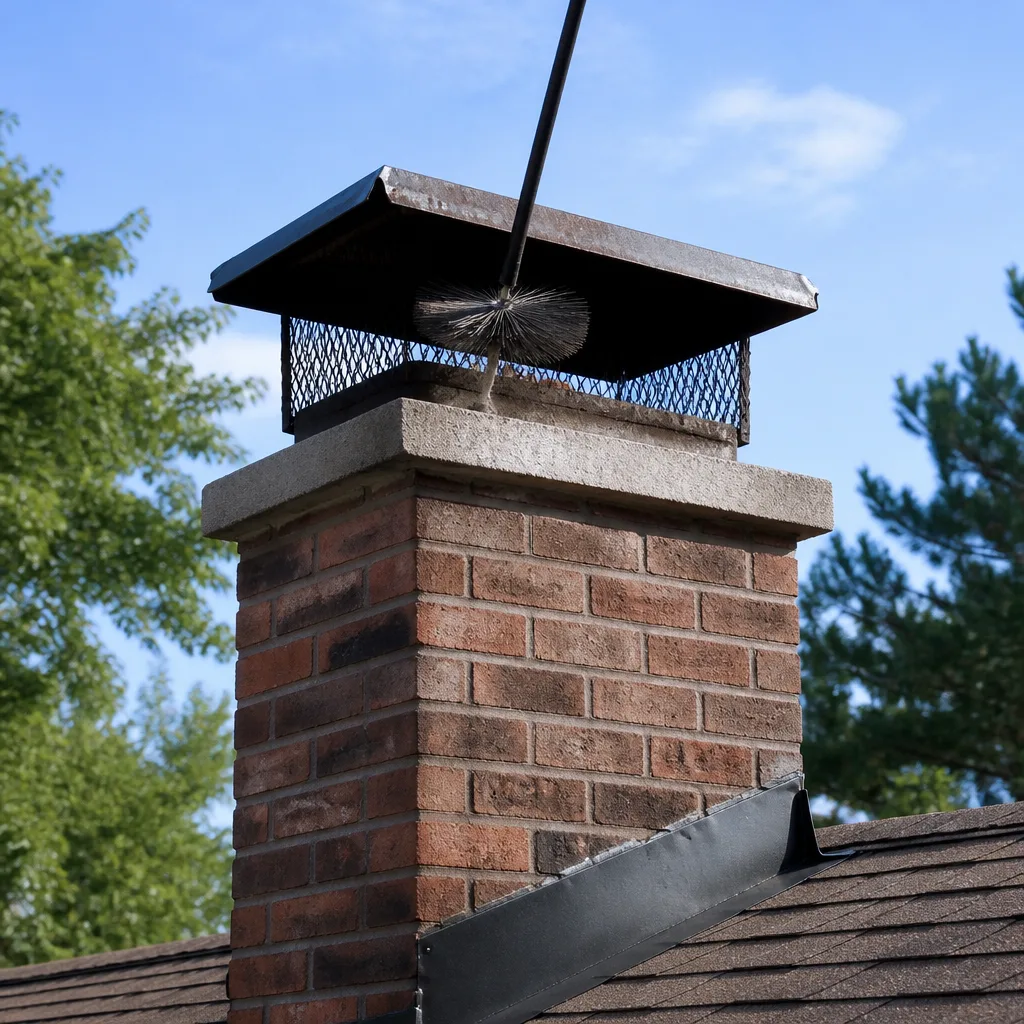 Sweep & inspection
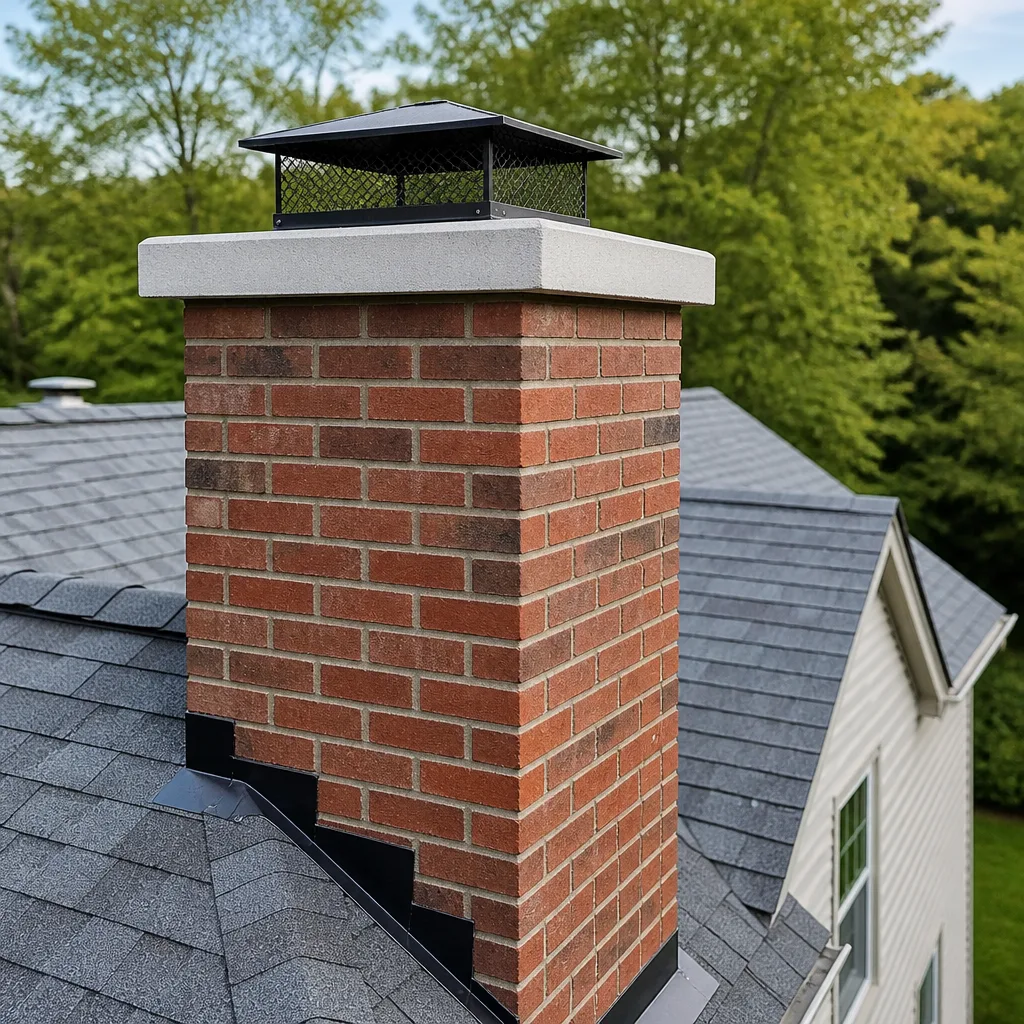 Caps & crowns
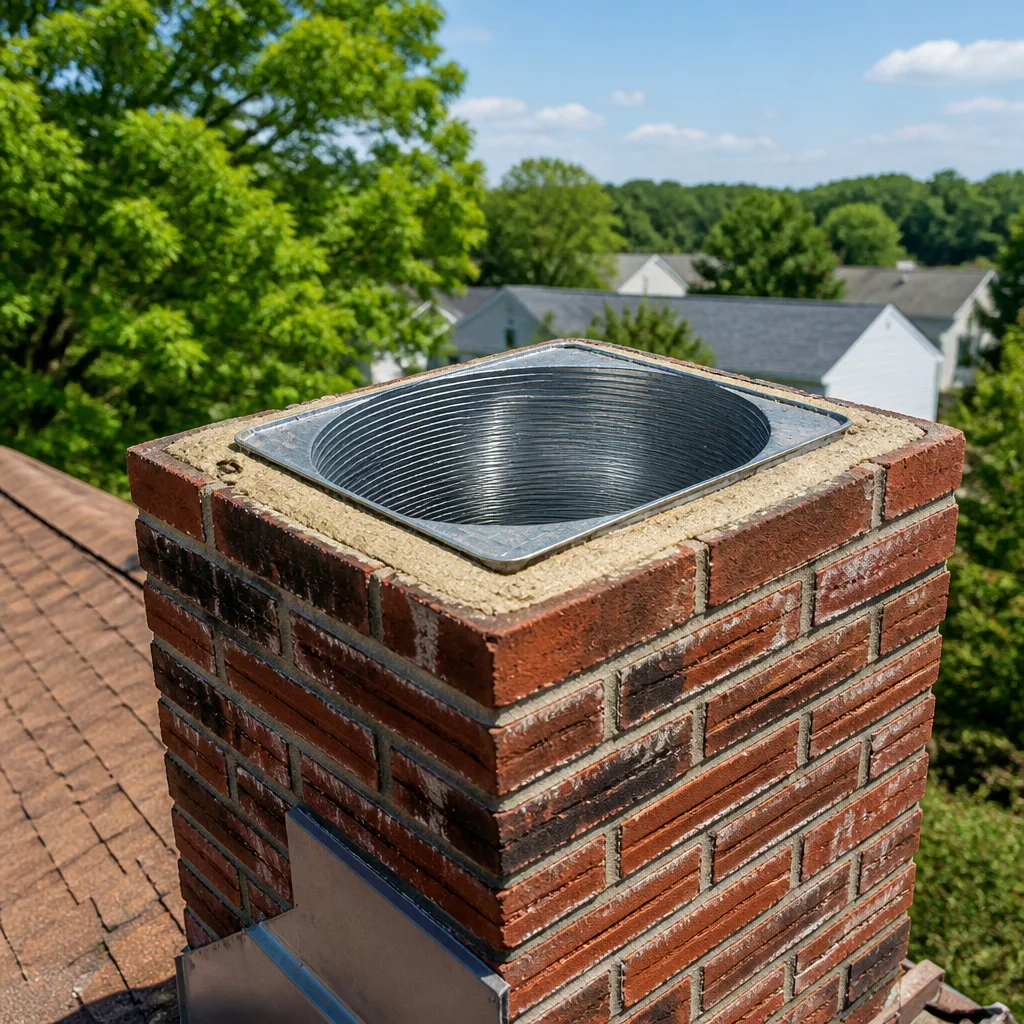 Flue relining
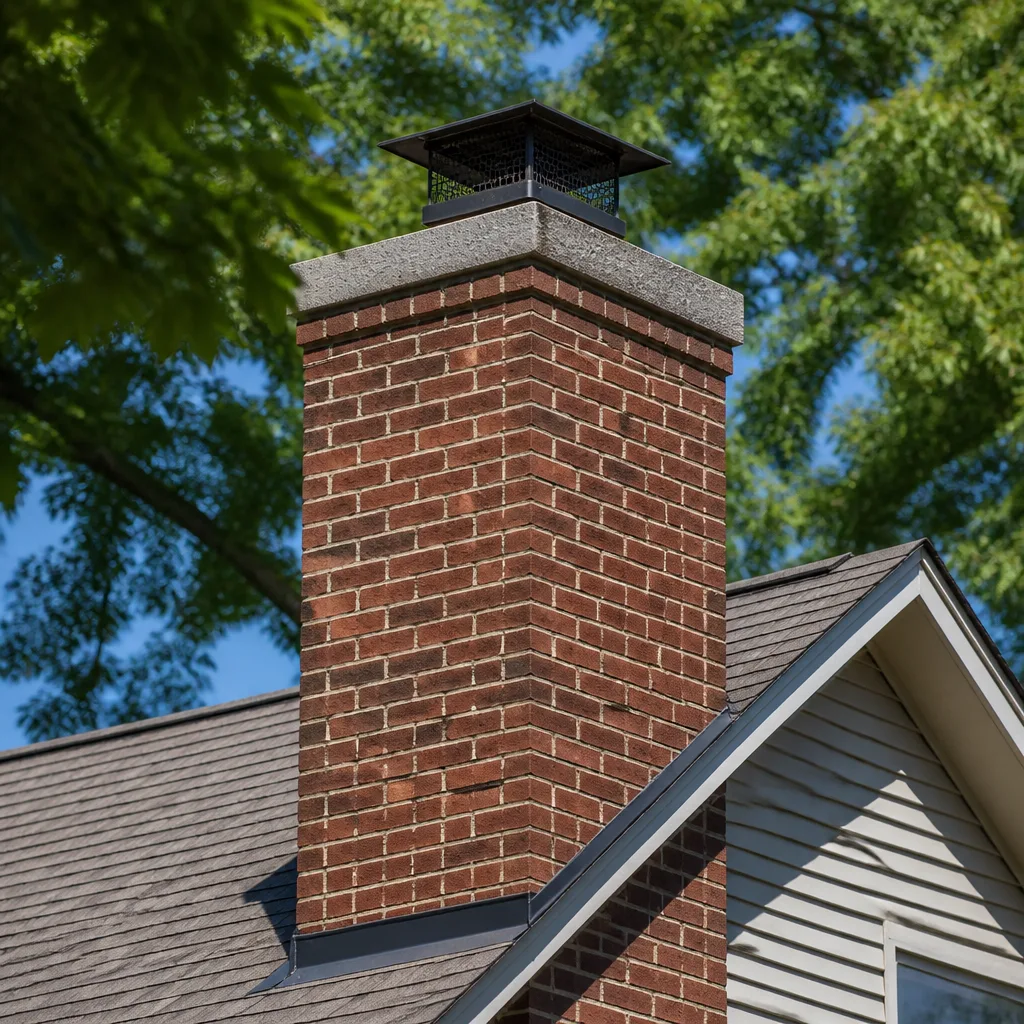 Masonry repair
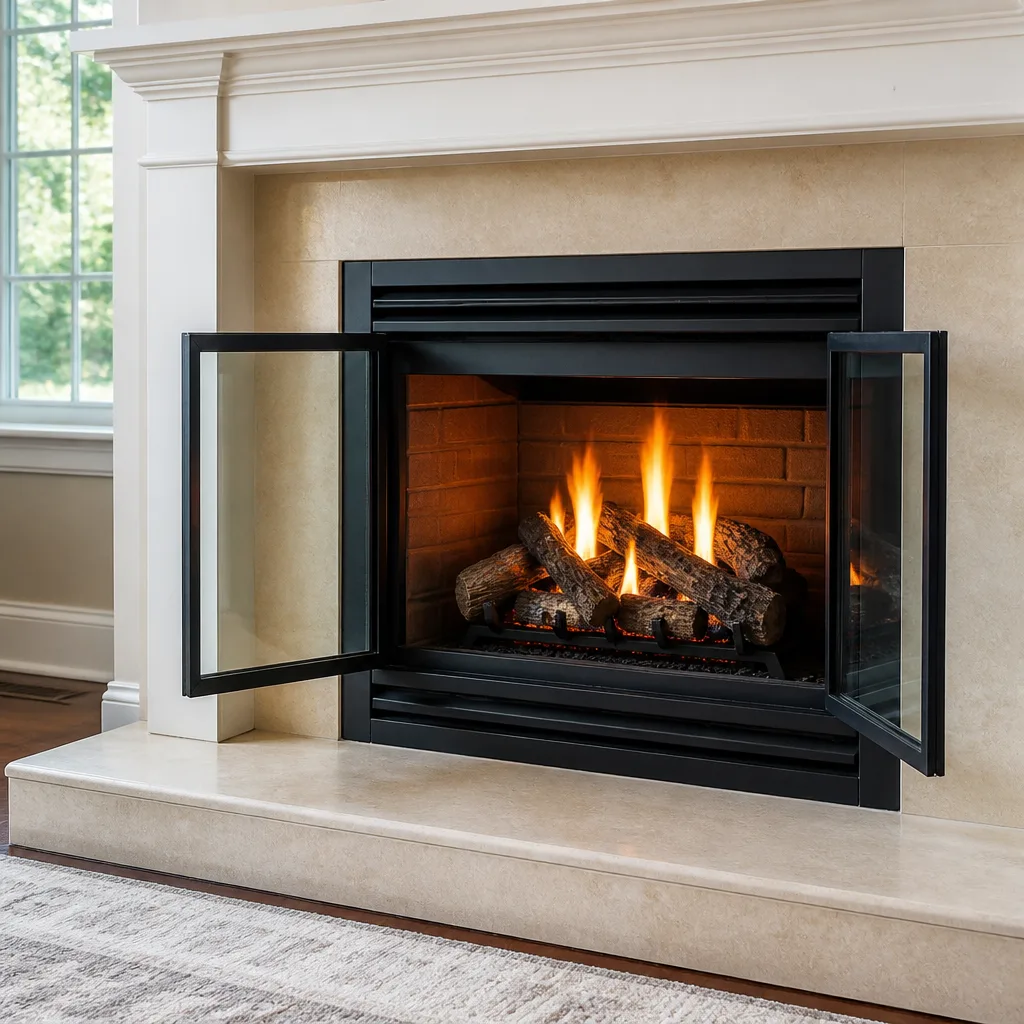 Gas fireplace service
Level 1 sweep and inspection to the NFPA 211 annual standard - flue, crown, cap, and flashing checked and photographed
Chimney sweep logs do not sweep chimneys. They loosen some creosote - which then falls where a brush and vacuum still have to collect it.
Seasonal Chimney Cleaning Care for Suffolk: Year-Round Homeowner’s Guide
Most homeowners around Suffolk book their chimney sweep in October, right before the first fire of the season. That timing feels responsible, but it’s actually the least efficient sequence. A flue that sat through a Suffolk summer has been collecting moisture, pollen, and nesting debris since spring, and by the time you sweep it in fall, some of that moisture damage has already had months to set. Chimney care here isn’t a single autumn chore. It’s a four-part cycle, and each season does something different to your masonry, your liner, and your damper. This guide walks through what each season actually does to a chimney in Suffolk, what to check when, and how a simple seasonal log makes your annual professional visit sharper and faster.
Quick Answer
In Suffolk, chimney care should follow a four-season rhythm: a spring debris and animal check after nesting season, a late-summer inspection in August or early September to catch moisture damage before heating season, an operational check in fall before you light the first fire, and a winter routine of draft and damper checks. A professional sweep and inspection once a year, ideally timed to your own use and the season’s stresses, keeps the whole system sound. Call (866) 361-9861 to book a free estimate and set your cycle up properly.
Styles & brands we work with
- Sweep & inspection
- Caps & crowns
- Flue relining
- Masonry repair
- Gas fireplace service
Table of Contents
- Why Suffolk’s Humid Summers Are the Real Chimney Season
- The Late-Summer Inspection: Your Most Important Visit
- Fall: Preparing for the First Fire
- Winter Operational Checks You Can Do Yourself
- Spring: Debris, Animals, and Crown Inspection
- How to Build a Four-Season Chimney Log
- How Often Should You Actually Schedule a Sweep?
Why Suffolk’s Humid Summers Are the Real Chimney Season
The most damaging months for a chimney in Suffolk are usually the ones with no fire in them. Summer here brings sustained humidity that soaks into masonry and stays there. Clay tile liners and the mortar joints around them are porous. They absorb moisture from the air, and they absorb it faster after a few seasons of normal wear. The trouble is what that moisture does once it’s inside. It softens mortar, it feeds the slow spalling of tile surfaces, and it sets up the freeze-thaw damage that shows up months later.
Steel components don’t escape either. Dampers, damper frames, and any steel hardware in the firebox are sitting in that same humid air all summer, often with a thin film of acidic residue left from last season’s smoke. That combination is a corrosion environment. By the time fall arrives, a damper that worked fine in March can be stiff, sticking, or starting to pit.
Add spring pollen and the leaf and twig debris that blows into an open flue, and you have a flue that spent the whole warm season holding moisture against its own surfaces. Sweeping that in October cleans the symptom. It doesn’t undo the exposure. That’s the case for treating late summer as the real start of chimney season in Suffolk, and for thinking of the whole year as a cycle rather than one appointment.
- Clay tile liners: absorb humidity, soften at the mortar joints, and spall over repeated wet-dry cycles.
- Mortar joints: the first thing to weaken when moisture sits in the masonry; gaps here are how heat reaches framing.
- Steel dampers and hardware: corrode slowly all summer in humid air and acidic residue.
- Crowns and flashing: small cracks let water in, and summer is when they widen.
The Late-Summer Inspection: Your Most Important Visit
If you only do one professional visit a year, late summer is the one that pays off in Suffolk. Book it in August or the first half of September, before heating season starts and before the busy fall rush. The point of that timing is diagnostic. An inspection done at the end of the humid season sees moisture damage while it’s still fresh, before the first fire bakes it in and before the first cold snap turns trapped water into freeze-thaw pressure.
A proper inspection is a structured look, not a glance up the flue. It covers the firebox, the smoke chamber, the damper, the flue itself, the crown, and the flashing at the roof line. Where a camera is used, you should see what the technician sees. That’s the standard we work to: we inspect before we recommend, and nothing gets flagged that you can’t look at yourself.
What late summer tends to catch, and what it prevents:
- Softened mortar joints that can be addressed with a liner restoration system like HeatShield before they fail outright, often avoiding a full liner replacement.
- Hairline crown cracks that let water into the masonry all winter and turn into real spalling by spring.
- Early damper corrosion that a cleaning and light service will resolve, versus a seized damper you discover on the first cold night.
- Liner gaps or offset flue damage in older homes, where a flexible DuraFlex system may be the right fit for a flue a rigid liner can’t navigate.
- Animal and nest debris from the spring and summer, cleared before it becomes a draft and smoke problem.
An August or early September inspection is also a decision point. Sometimes the honest answer is that a component can safely wait a season. We say so when that’s the case. Call (866) 361-9861 to book a late-summer inspection and get a free estimate on anything that needs work.
Fall: Preparing for the First Fire
By fall, the diagnostic work is done and the job shifts to readiness. If your late-summer inspection flagged anything, this is when it gets handled, ahead of the first fire and ahead of the October booking crunch. A fall list is short but worth doing in order:
- Clear the firebox and ash pit. Old ash holds moisture and odor. A clean, dry firebox starts the season right.
- Test the damper by hand. It should open and close fully without sticking. If it drags, mention it at your service visit rather than forcing it.
- Look at the firebox for new cracking. Compare it to what you noted in spring. New cracks since spring are a reason to call.
- Check the cap and spark screen. A loose or blocked cap is a common cause of draft trouble, and it’s a simple fix when caught early.
- Confirm your wood is ready. Poorly seasoned wood puts more creosote and moisture into the flue. That’s a fuel issue, not a chimney issue, but it affects the chimney all season.
Fall is also when many Suffolk homeowners remember the chimney at all, which is why the calendar fills up. If you did the late-summer inspection, fall is a light checklist. If you didn’t, book a chimney sweep now and treat that visit as your diagnostic. Either way, the goal is the same: light the first fire in a system you’ve actually looked at, not one you’ve assumed is fine.
One note on timing in the trade. A sweep and inspection booked in fall is fine. The advantage of the four-season approach is that fall stops being the only checkpoint. It becomes the execution season for decisions made earlier, which is exactly what you want.
Winter Operational Checks You Can Do Yourself
Winter is the season to operate the chimney carefully and watch for changes. There are useful checks you can do yourself here, none of which involve opening the system or reaching into the flue.
- Draft test: Before a fire, hold a lit match or a smoke source near the open damper. Smoke should be pulled up the flue, not drifting into the room. If it drifts back, that’s smoke rollback, and it’s a signal to stop and call.
- Smoke chamber observation: With the damper open and before lighting, look up into the smoke chamber with a flashlight. You’re checking for heavy soot buildup or visible cracking, not cleaning it. The smoke chamber is a high-heat zone, and cleaning or repairing it is a professional job.
- Damper function: Open and close it fully each time you use the fireplace. A damper that sticks or won’t seal is worth a service call before it fails mid-season.
- Watch the fire behavior: A fire that smokes back, burns sluggishly, or won’t draft well is telling you something changed in the flue. Note when it happens and call.
- Listen and smell: Unusual smells, or a strong creosote odor when the fire is out, are worth flagging.
What you should not do yourself is clean the flue, remove a bird or animal from the flue, or reach into the smoke chamber or firebox to scrape creosote. Creosote is highly flammable, and the smoke chamber and flue are where chimney fires start. A trained professional with the right tools is the only safe way to deal with those. In our experience, the homeowner checks above are the ones that catch problems early, and they make the professional visit more diagnostic because you can tell us what changed and when. If a draft or damper problem shows up, call (866) 361-9861. We answer 24/7. Fast dispatch from 7am to 7pm, Sunday through Friday.
Spring: Debris, Animals, and Crown Inspection
Spring is the season for clearing out what winter and nesting season left behind. Birds and small animals look for sheltered cavities in spring, and an uncapped or loosely screened flue is exactly that. Nest material blocks draft, holds moisture, and is a fire risk. A spring check that clears debris, confirms the cap and screen are intact, and looks at the crown is short work that prevents a whole chain of summer problems.
The other spring job is the crown. Winter freeze-thaw cycles work on the crown and the mortar at the top of the chimney. Freeze-thaw is the mechanism: water gets into a small crack, freezes, expands, and widens the crack, then thaws and repeats. By spring, a hairline crack from fall can be a real opening. Inspecting the crown and the flashing in spring, while the damage is still small, is far cheaper than repairing it in fall.
Spring in Suffolk also brings pollen, and along with it leaf and twig debris that finds its way into an open flue. Debris in the flue is a draft problem all summer and a blockage risk by fall. A spring debris clearance, combined with the late-summer inspection, means the flue goes into heating season clean and dry.
There’s also the matter of what the moisture did over winter. Spring is a good time for a routine chimney repair check on the crown, cap, and flashing if the late-summer inspection flagged anything. Catching a crown crack in spring means it gets fixed before it soaks the masonry all summer.
Spring and fall are the two natural visitor seasons for a chimney specialist. If you’re setting up a cycle, a light spring check and a full late-summer sweep and inspection is a strong rhythm for a Suffolk home.
How to Build a Four-Season Chimney Log
A simple log makes your annual professional visit noticeably more diagnostic. The idea is to note, season by season, anything that changed, so that when a technician arrives they have a timeline instead of a single snapshot. Keep it short. A notebook or a phone note is enough.
- Spring entry: Note anything unusual when you first look at the chimney after winter. Cracks, staining, loose flashing, the condition of the cap and screen, and whether you saw or heard birds or animals near the flue.
- Spring clearing: Record what was cleared, and by whom. If you checked the firebox or cap yourself, note what you saw. If a professional cleared debris, note the date.
- Summer watch: A one-line entry is enough. Note any damp smell near the firebox, any staining on the chimney breast indoors, and the condition of the crown and flashing visible from the ground.
- Late-summer inspection: Record the date, what the inspection found, and any photos or camera images you were shown. Note anything flagged as a “watch” item versus a “fix now” item.
- Fall first fire: Note the date of the first fire and how it behaved. Did it draw well? Any smoke rollback or sluggish burn?
- Winter operation: Note any draft changes, smoke rollback, damper issues, unusual smells, or fire behavior that changed. Note which fire and when.
- Year-end note: Before your next inspection, review the log and bring it to the visit. The technician can use it to focus the inspection where the log says to look.
The log is a habit, not paperwork. When you call and say “the fire smoked back twice in February and the damper sticks since December,” the technician knows exactly where to look. That’s the difference between a generic sweep and a diagnostic visit. Our technicians have up to 12 years of experience, and they’ll use what you tell them.
How Often Should You Actually Schedule a Sweep?
For most Suffolk homeowners with a wood-burning fireplace, insert, or stove, a professional sweep once a year is the working rule, timed to your own use and the season. Homes that burn heavily, or that burn a lot of poorly seasoned wood, often need more frequent cleaning. Homes that burn infrequently still need the annual inspection, because moisture and structural issues happen with or without a fire, especially through a Suffolk summer.
The question homeowners really ask is whether the timing matters. It does. A sweep done in March clears soot before the humid season, but the late-summer inspection is where moisture and structural issues surface. The most efficient rhythm for a Suffolk home is a full sweep and inspection in late summer, with a light spring check for debris and crowns, plus whatever winter operational checks you handle yourself. If you only do one, do the late-summer visit.
What the timing changes, practically:
- Late summer (August – early September): best for catching moisture damage, before heating season and before the fall booking rush.
- Fall: fine for a sweep and inspection, but you’re in the busiest season and you’ve missed the diagnostic window on summer moisture.
- Spring: good for debris, animal, and crown checks, and for getting ahead of summer moisture by confirming the crown and flashing are sound.
- Heavy-use homes: more than one cleaning can make sense; the annual inspection is the anchor.
Timing also matters if you’re selling a home in Suffolk. A failed home-sale inspection is one of the most common reasons homeowners call us, and it’s much easier to deal with in spring or late summer than during an active sale. Call (866) 361-9861 for a free estimate and we’ll help you set a schedule that fits your use.
Common Mistakes to Avoid
- Saving the chimney for October. By then, a flue full of summer moisture and pollen has been sitting for months. In Suffolk’s humid climate, late-summer timing catches the problems October visits have to fix instead.
- Treating a sweep as the whole job. A sweep clears soot; it doesn’t diagnose a soft mortar joint, a crown crack, or a pitted damper. The inspection is what catches those, and it’s a separate, equally important step.
- Assuming a generalist can handle it. A contractor who picks up chimney calls on the side doesn’t carry the trade-grade components a genuine repair needs. Chimneys need specialists, not hardware-store substitutes.
- Ignoring spring animal entry. An uncapped or loosely screened flue in spring is a shelter. Nest material blocks draft and adds fire risk, and it’s easy to catch in a spring check.
- Skipping the winter checks. Smoke rollback, a sticking damper, or a sluggish draw are all catchable during winter operation. Noting them for the next visit turns a generic sweep into a diagnostic one.
- Treating a home-sale inspection as a crisis. Most of what a failed inspection finds can be fixed. The mistake is waiting until the sale is active to call.
- Letting a crown crack sit through summer. A small crack lets water into the masonry all humid season. Spring and late summer are both good times to catch it before it compounds.
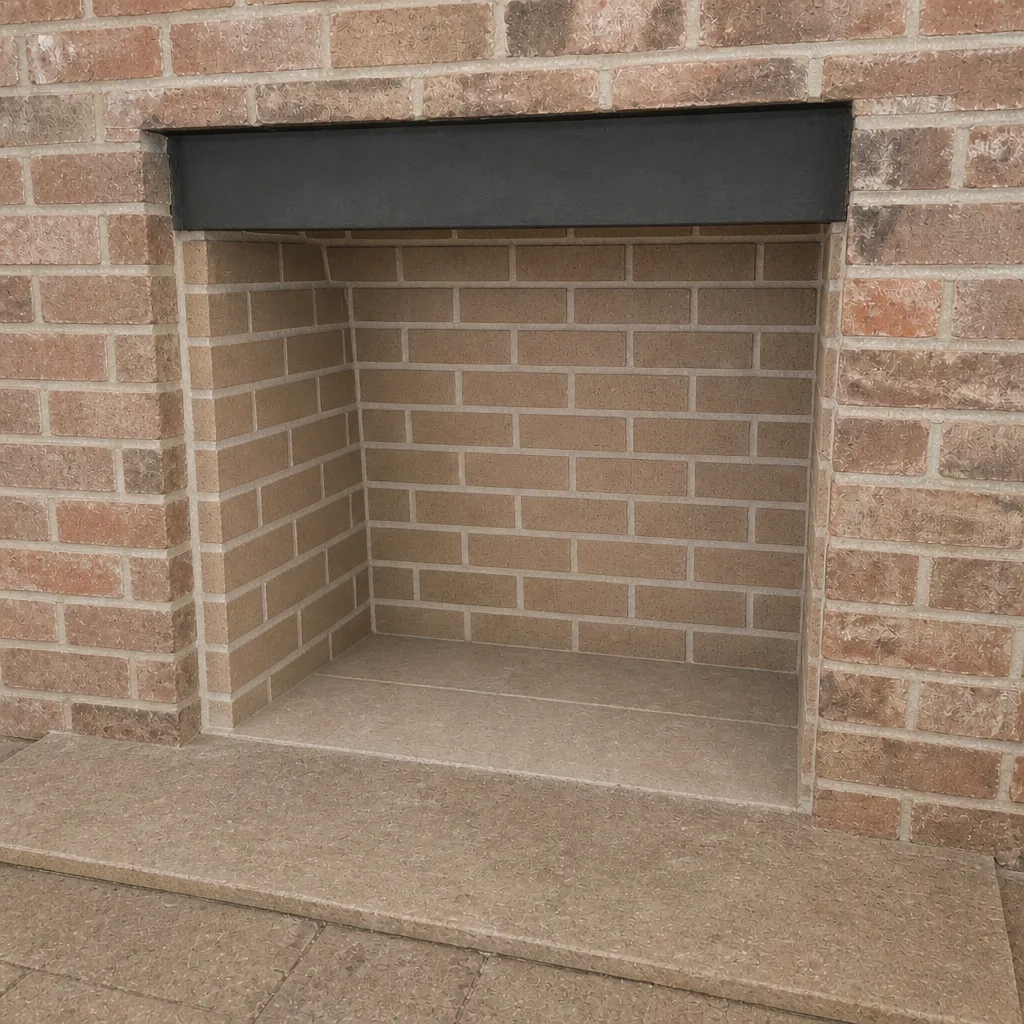
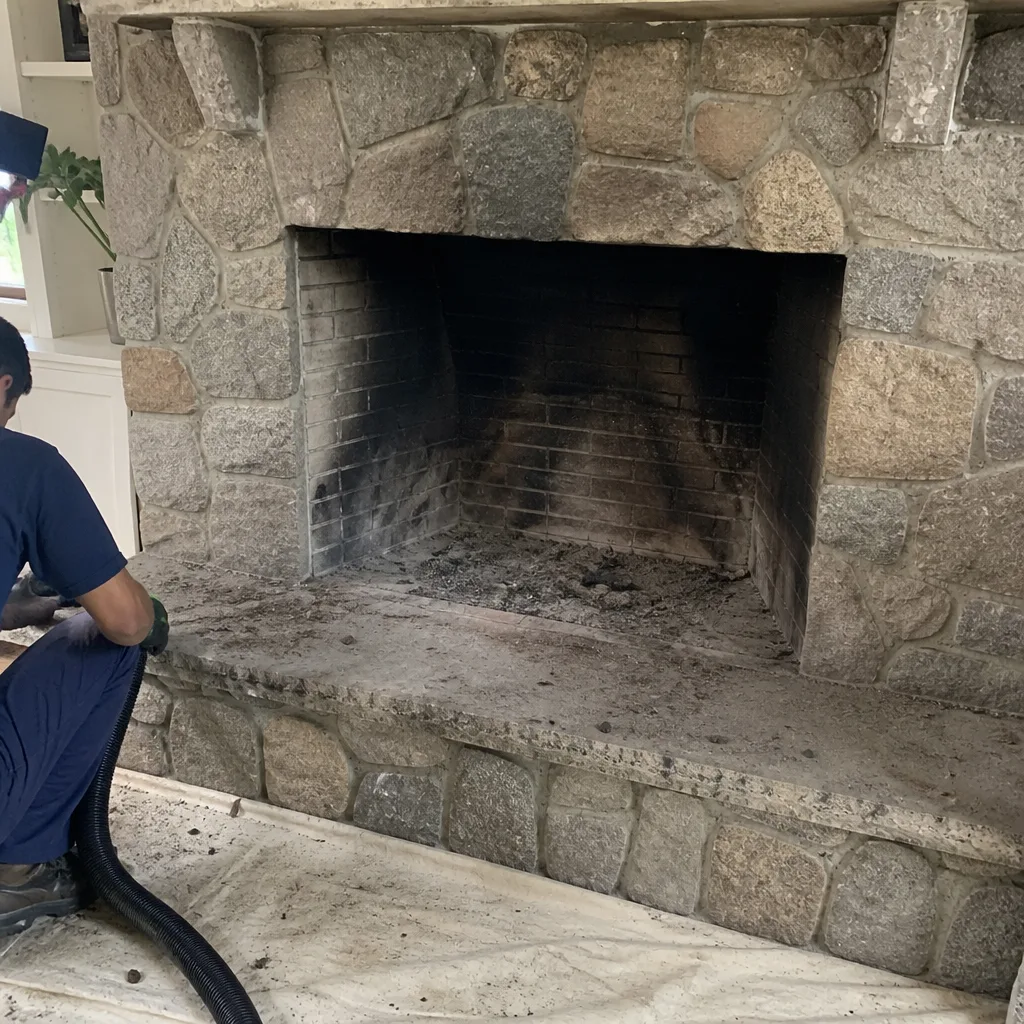
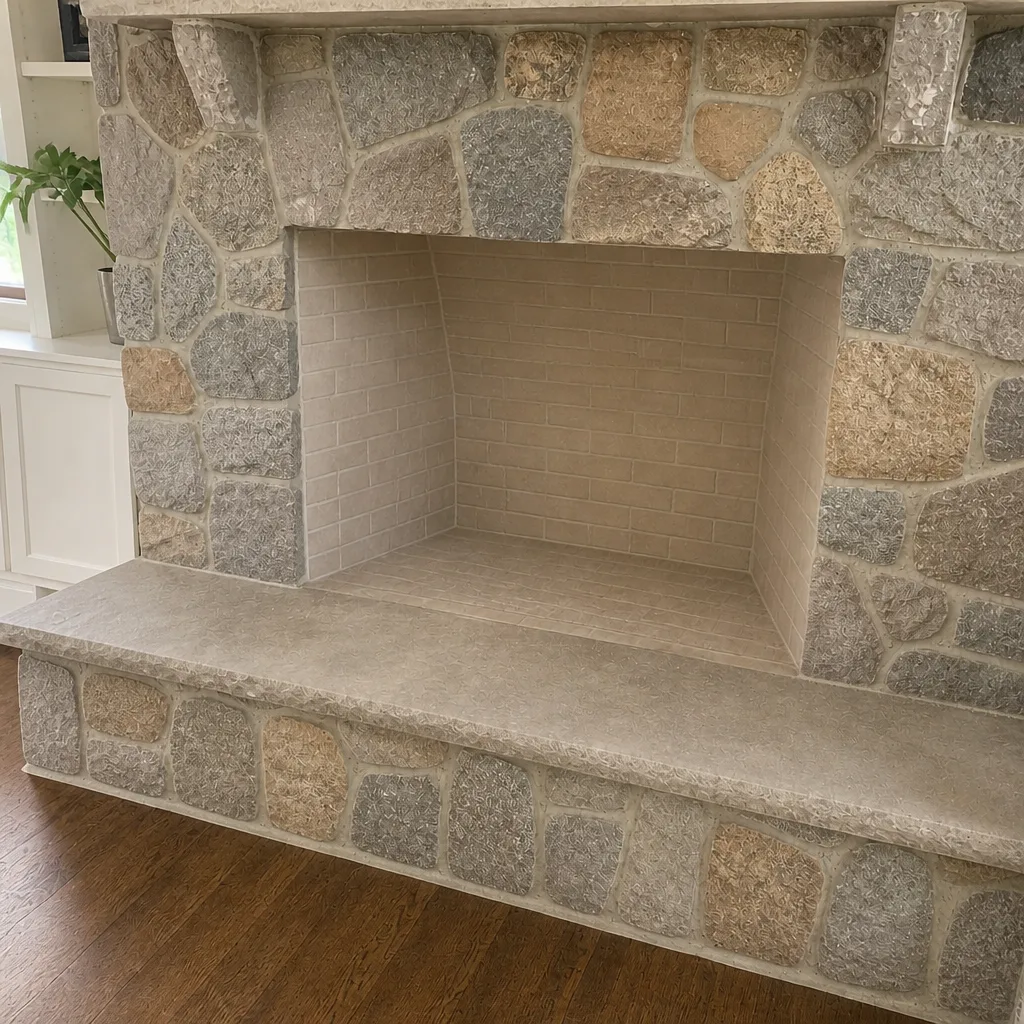
See the difference
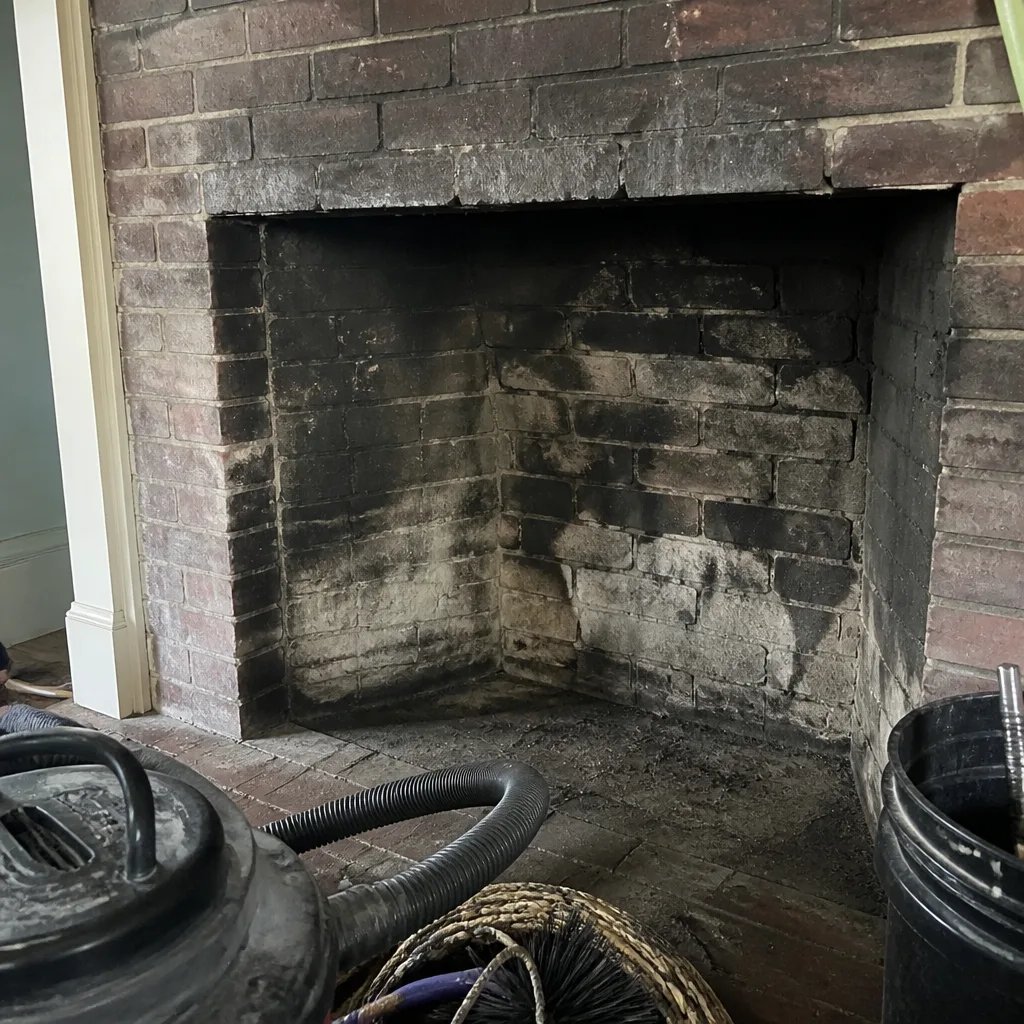 Before
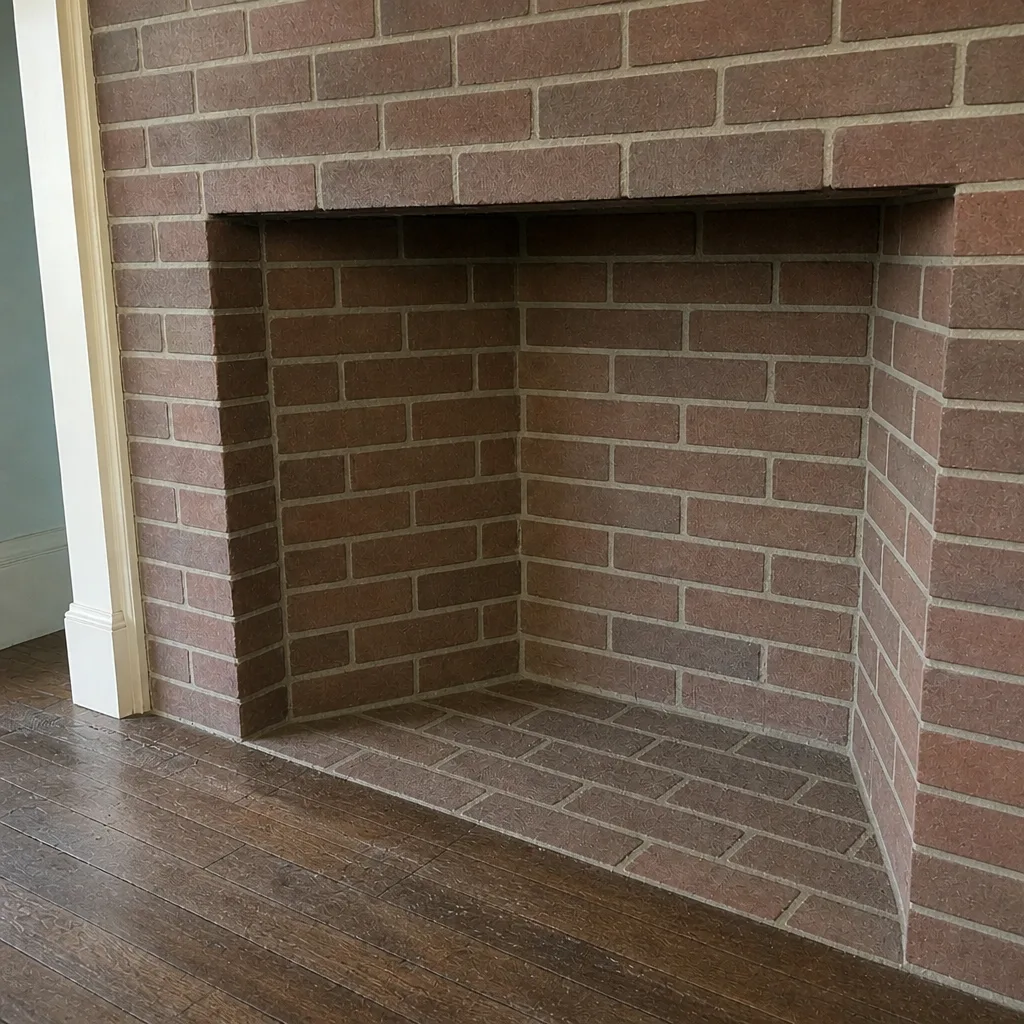 After
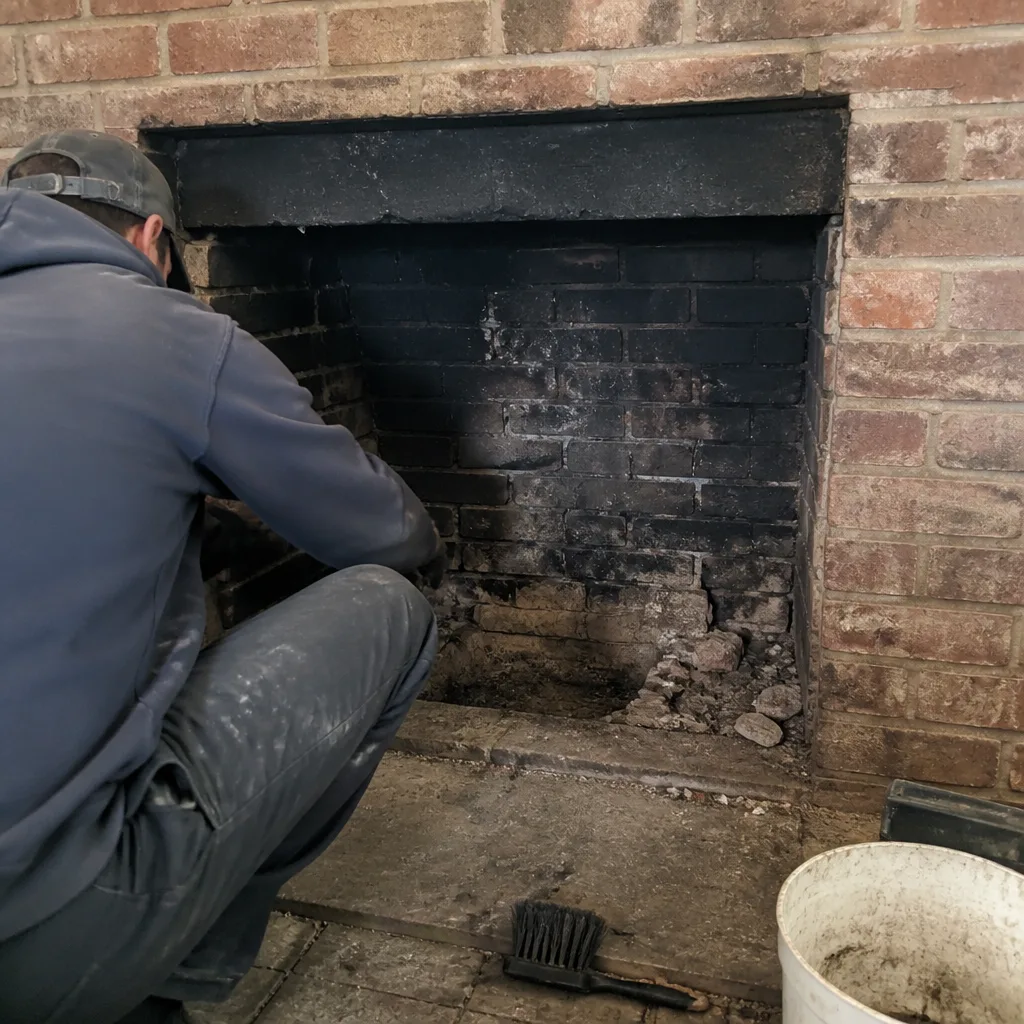 Before
 After
 Before
 After
When to Call a Professional
Some issues are worth a call right away. Smoke rolling back into the room, a damper that won’t open or close, a strong creosote smell with no fire burning, visible cracking in the firebox or smoke chamber, or water staining on the chimney breast indoors are all reasons to stop and have a specialist look. A home-sale inspection that flags the liner or masonry is another. If you’re not sure whether something is urgent, describe it and we’ll tell you honestly, including when it can safely wait a season. Chimney Sweep Suffolk offers free estimates in Suffolk. Call (866) 361-9861. We answer 24/7. Fast dispatch from 7am to 7pm, Sunday through Friday.
Frequently Asked Questions
Late summer, in August or early September, is the best time in Suffolk. Our humid summers let moisture soak into masonry and liners, so an inspection at the end of the humid season catches the damage while it’s still fresh, before heating season and before the fall rush. A spring check for debris and crowns is the natural partner to it. Call (866) 361-9861 to book a late-summer visit.
Pricing depends on the job, and the written estimate sets the final price. The right sequence is a sweep and inspection first, so you know what, if anything, needs attention and aren’t quoted for work you may not need. Call (866) 361-9861 for a free estimate.
Not always. Softened mortar joints and some liner deterioration can be addressed with a liner restoration system like HeatShield, which can avoid a full replacement. When a full liner is the right answer, a flexible system like DuraFlex can navigate offset or aged flue configurations a rigid liner can’t. The only way to know which applies is an inspection. Call (866) 361-9861 and we’ll show you what we find.
Once a year for most homes with a wood-burning fireplace, insert, or stove, and more often if you burn heavily or burn poorly seasoned wood. The annual inspection matters regardless of use, because moisture and structural issues happen whether or not you light a fire. Call (866) 361-9861 to set a schedule.
Creosote builds up in the flue, and a blocked or restricted flue is a chimney-fire risk and a draft problem. In Suffolk, skipping years also lets summer moisture work on mortar and liners unchecked, so small issues compound. The cost of a sweep is small next to a liner repair. Call (866) 361-9861 for a free estimate.
Yes, and you should. A draft test, a flashlight look into the smoke chamber, and a manual damper check are all safe and useful. What you shouldn’t do is clean the flue or reach into the smoke chamber yourself; that’s where chimney fires start and a trained professional should handle it. Call (866) 361-9861 if a check shows something wrong. Visit our Suffolk page for local service details, or start with Chimney Sweep Suffolk to see the full three-service scope.
The Bottom Line
Chimney care in Suffolk is a four-season cycle, not a single fall appointment. Summer humidity is the real stress on masonry and liners, which makes the late-summer inspection the most important visit of the year. Spring handles debris, animals, and crown checks after freeze-thaw. Fall is execution, preparing a sound system for the first fire. Winter is careful operation and your own draft, smoke chamber, and damper checks, with a log so the next visit is sharper. One professional sweep and inspection a year, plus a simple seasonal log, keeps a Suffolk chimney in good shape. Call (866) 361-9861 for a free estimate.
Written by the team at Chimney Sweep Suffolk.