
Last updated November 15, 2026
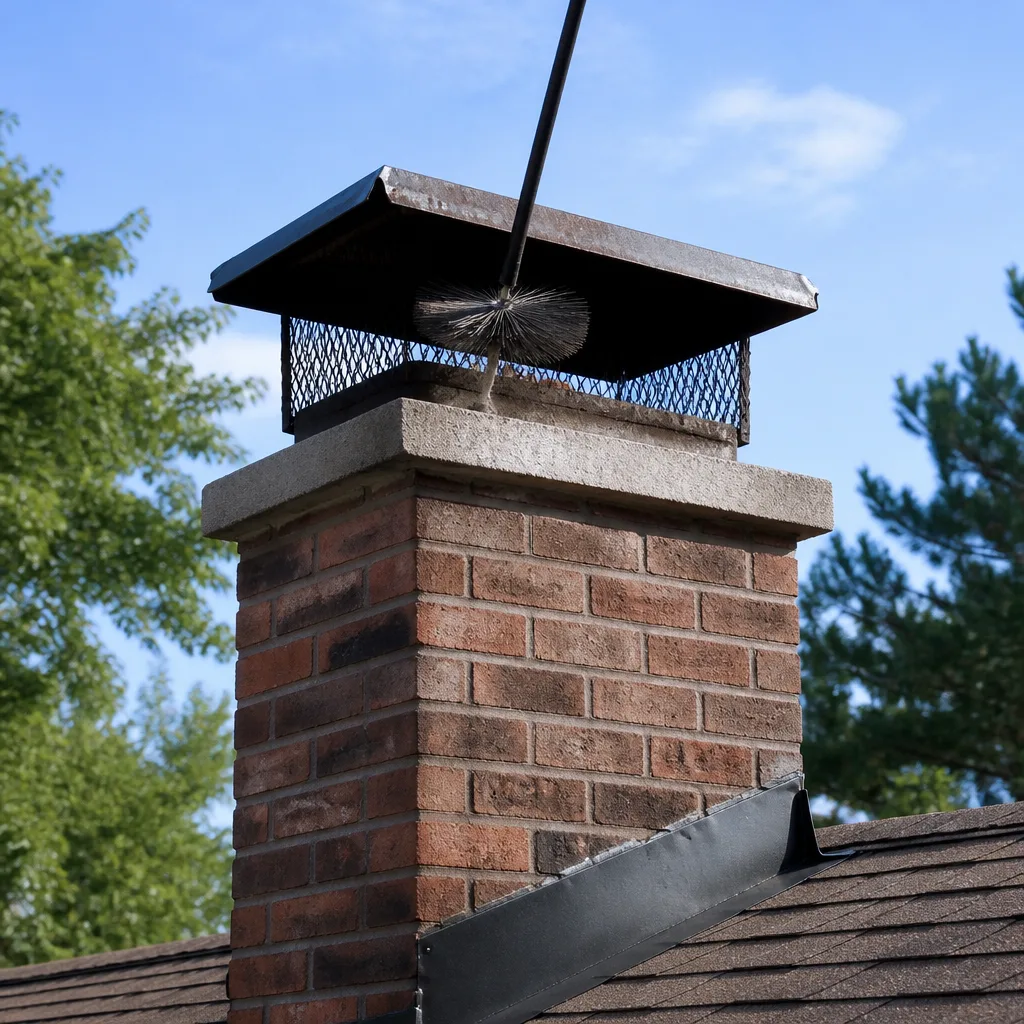 Sweep & inspection
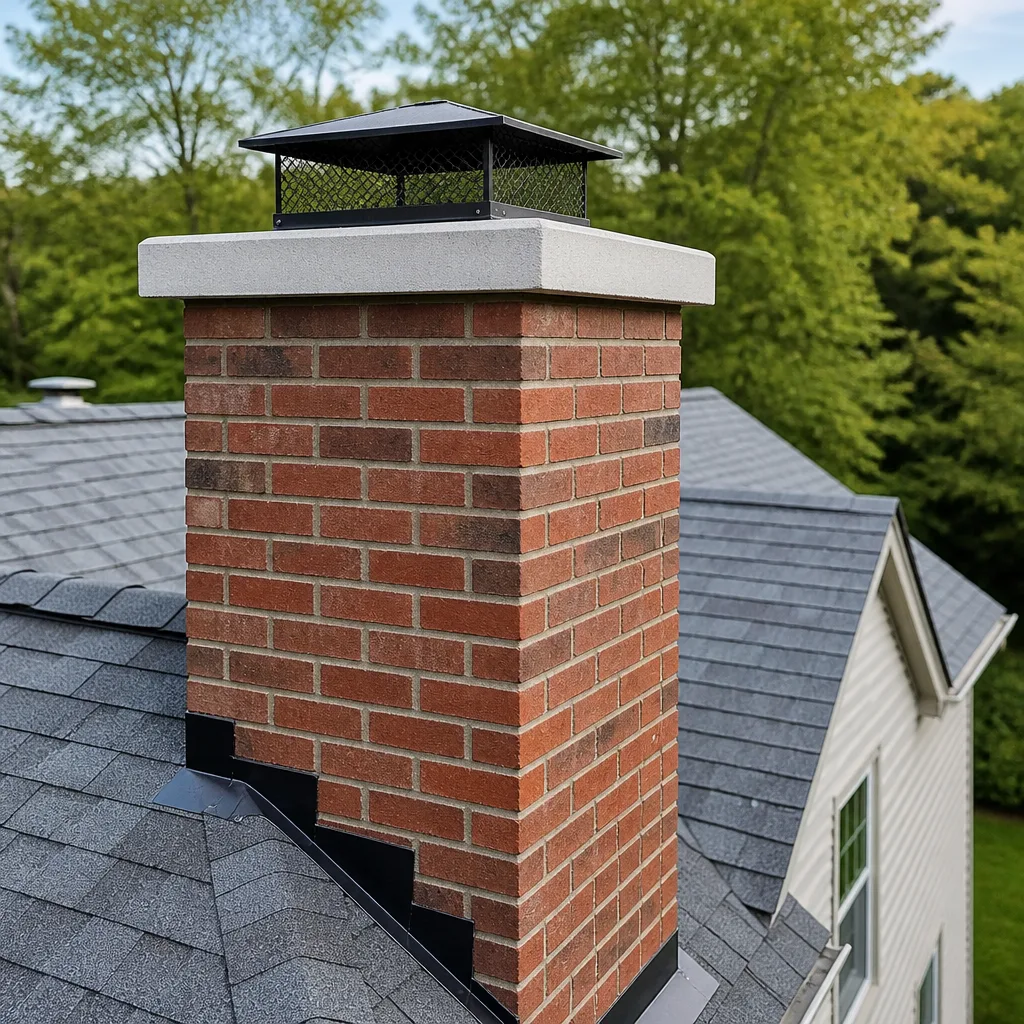 Caps & crowns
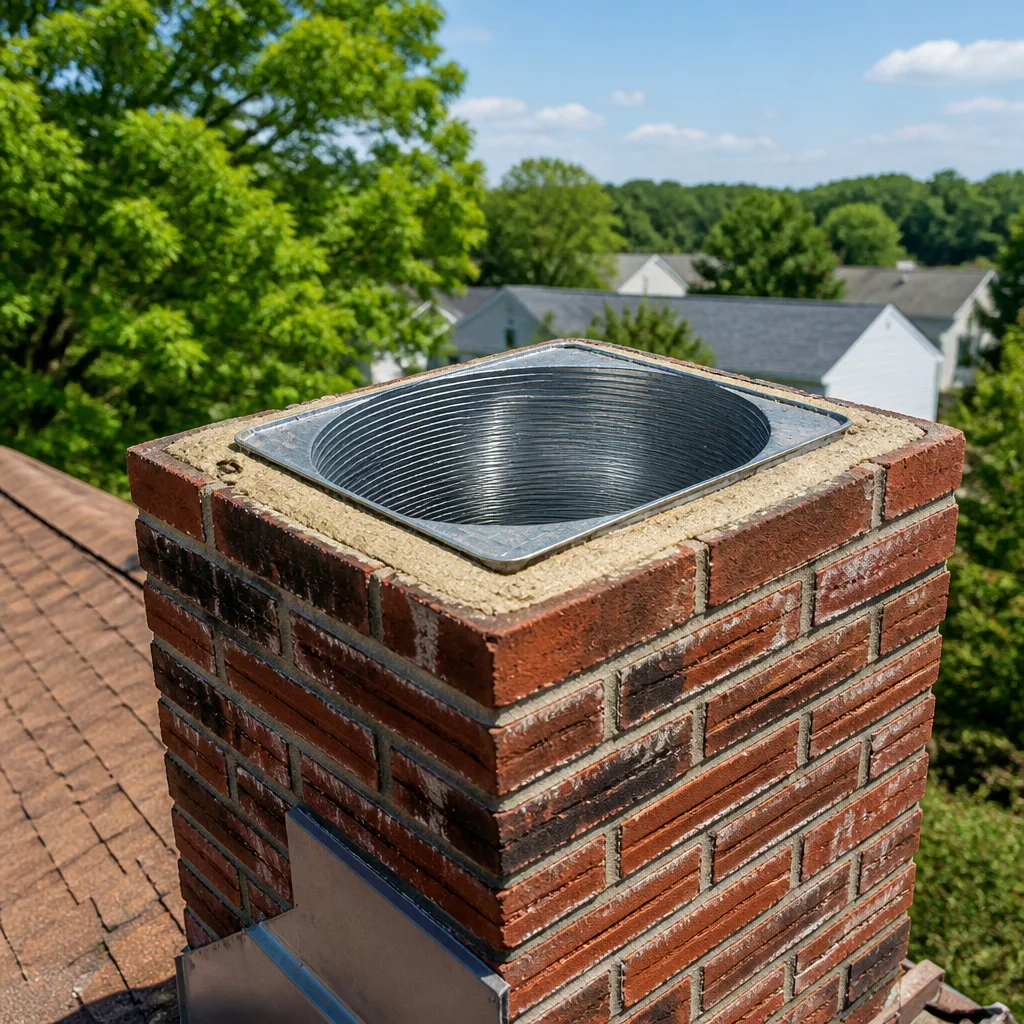 Flue relining
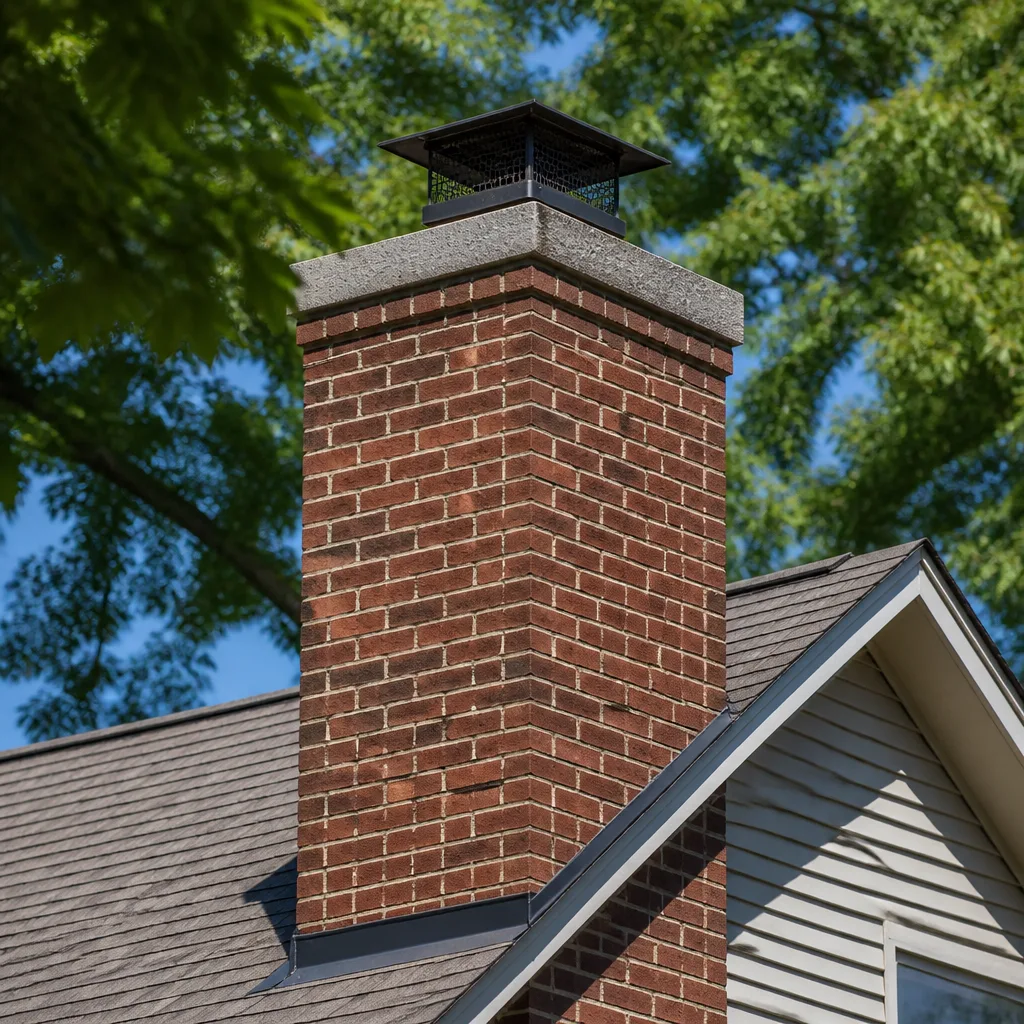 Masonry repair
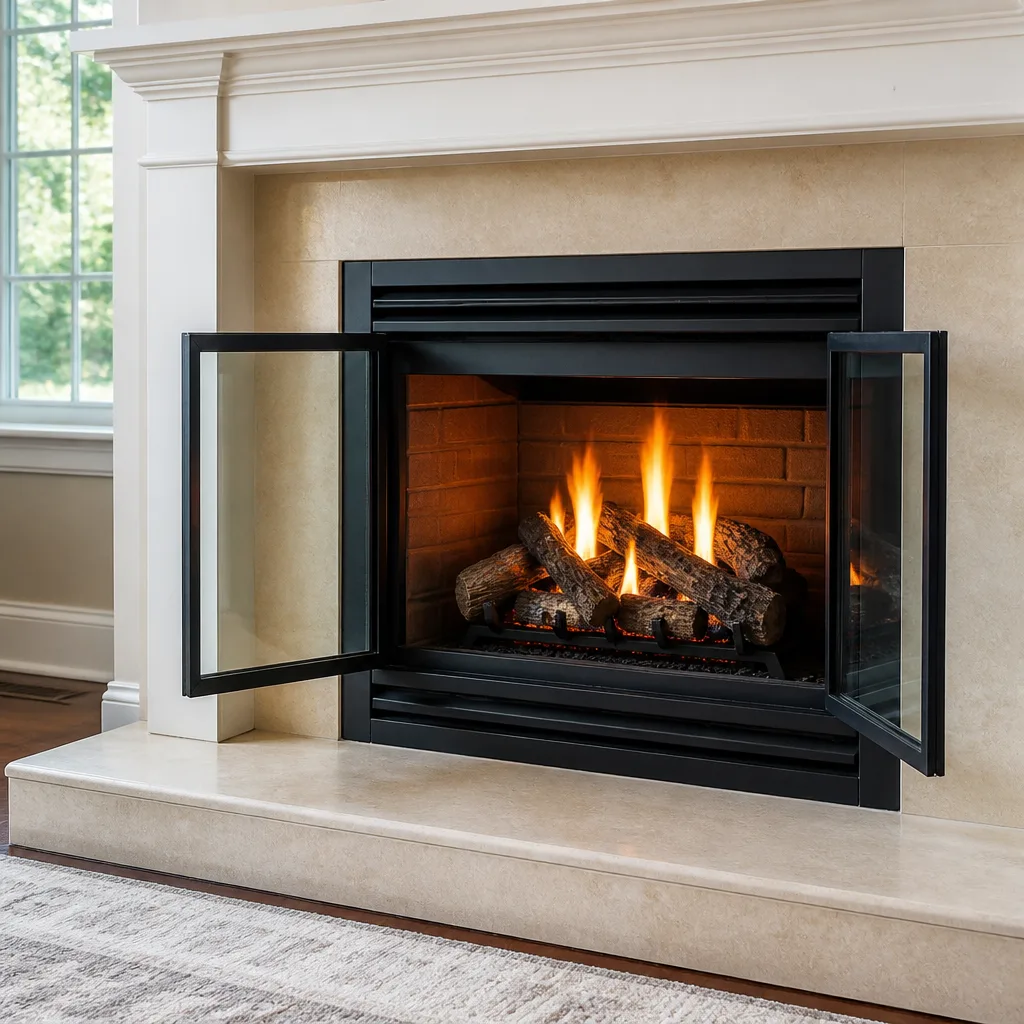 Gas fireplace service
Level 1 sweep and inspection to the NFPA 211 annual standard - flue, crown, cap, and flashing checked and photographed
Chimney sweep logs do not sweep chimneys. They loosen some creosote - which then falls where a brush and vacuum still have to collect it.
Chimney Sweep Maintenance Schedule: What to Do and When
The advice you’ve probably heard is “sweep once a year.” That’s close to right for a lot of homes, but it’s the same advice whether you light four fires a season or heat your house with wood from October to April. It can leave a heavy user under-served and an occasional user paying for work they don’t need. The National Fire Protection Association’s annual inspection recommendation was written to cover that whole range, not to flatten it. This guide lays out a schedule calibrated to how much you burn, what you burn, and what your flue is made of, with the seasonal checkpoints that matter in Suffolk’s climate.
Quick Answer
Get your chimney swept and inspected annually as a baseline, then adjust: occasional users (1-5 fires a season) can often stretch to a sweep every second year with an annual Level 1 inspection, regular weekend burners (10-20 fires) should sweep every year, and homes where wood is a primary heat source (50+ fires) usually need the flue cleaned more than once a season plus a Level 2 inspection. In Suffolk, schedule the pre-season cap and crown check in September and the post-season moisture check in March after freeze-thaw cycles.
Styles & brands we work with
- Sweep & inspection
- Caps & crowns
- Flue relining
- Masonry repair
- Gas fireplace service
Table of Contents
- Why Usage Tiers Beat a Blanket Once-a-Year Rule
- The Seasonal Maintenance Calendar for Suffolk
- Level 1, Level 2, and Level 3 Inspections Explained
- Fuel-Specific Maintenance: Hardwood, Softwood, and Manufactured Logs
- How Your Flue’s Construction Changes the Schedule
- The Between-Service Homeowner Checklist
- Keeping Records That Hold Up at a Home Sale
Why Usage Tiers Beat a Blanket Once-a-Year Rule
A fireplace that sees four fires a season and a stove that runs every cold night are not the same maintenance item, even though they use the same chimney. The difference is creosote. Every wood fire deposits some, and the rate depends on how much you burn, how hot the fire runs, and what goes up the flue. A homeowner burning a few decorative fires accumulates a thin glaze over years. A homeowner burning daily can build a measurable layer in a single heating season. Treating both on the same schedule is how problems get missed, and it’s also how people end up paying for a sweep they didn’t need.
We sort homes into three tiers before recommending a sweep interval:
- Occasional user (1-5 fires a season): Annual Level 1 inspection, sweep as needed based on what the inspection finds. Many of these homes go two seasons between sweeps.
- Regular burner (10-20 fires a season): Annual sweep and Level 1 inspection. This is the classic once-a-year homeowner, and the standard advice fits them well.
- Primary heat source (50+ fires a season): Sweep at mid-season and again at the end, with a Level 2 inspection once a year. Creosote builds fast enough here that a single annual cleaning can leave glaze behind.
There’s a fourth factor that cuts across all three: what you burn. We cover that below, because a softwood-only burner can climb a tier without changing their habits. If your home in Suffolk sits in the primary heat source tier, the chimney sweep visit is the one appointment we’d never suggest stretching.
The Seasonal Maintenance Calendar for Suffolk
Suffolk’s climate gives us two maintenance windows that matter, and they fall on either side of the burning season. September is when we want to catch exterior problems before the first cold snap. March is when freeze-thaw damage shows itself, once the last hard frost has passed and the masonry has had a cycle or two to move.
September: Pre-Season Cap and Crown Inspection
Before you light the first fire, the exterior of the chimney should get a look. The cap keeps rain, birds, and squirrels out of the flue, and the crown – the concrete slab on top of the masonry – is what sheds water away from the structure. A hairline crack in the crown in September is a small repair. The same crack after a winter of water getting in and freezing is a much bigger one. Chimney caps take a beating from wind-driven rain and summer storms, so we check the mesh, the fasteners, and the crown’s slope.
March: Post-Season Moisture Check
Freeze-thaw cycles are the quiet destroyer of masonry chimneys. Water gets into a small crack, freezes, expands, and widens it. Repeat that a few dozen times over a Suffolk winter and brick spalling starts. In March we look for efflorescence (the white staining that signals moisture moving through masonry), spalled brick faces, and mortar joints that have opened up. Catching these in spring gives you the whole off-season to get repairs done before fall.
- September: inspect cap, crown, and flashing; sweep if the inspection calls for it.
- Mid-season (primary heat users): sweep to clear heavy creosote buildup.
- End of season: final sweep once you’ve stopped burning.
- March: moisture check on masonry, mortar joints, and the crown.
Level 1, Level 2, and Level 3 Inspections Explained
Most homeowners have never heard that chimney inspections come in three levels, and that’s understandable – it’s trade vocabulary. But it matters, because the level determines what the inspector can actually see, and you should know which one you’re paying for. The levels are defined in NFPA 211, the standard that covers chimneys, fireplaces, vents, and solid fuel appliances.
Level 1 Inspection
This is the routine annual check. It covers readily accessible portions of the chimney, the firebox, the damper, and the visible flue, without special tools. A Level 1 is what comes with an annual sweep for a home with no known problems and no changes to the system. If you’ve been in the house a while and nothing has changed, this is your baseline.
Level 2 Inspection
A Level 2 goes further: it includes everything in a Level 1 plus access to concealed areas, typically with a camera run through the flue. It’s required when there’s been a change to the system – a new appliance, a fuel switch, a liner installation – or after a chimney fire, a building fire, an earthquake, or a severe weather event. It’s also the standard inspection for a home sale. If you’re buying a house in Suffolk with a wood-burning appliance, insist on a Level 2.
Level 3 Inspection
A Level 3 is diagnostic and invasive. It applies when a Level 1 or Level 2 has identified a problem that requires access to concealed areas – behind masonry, inside a wall – to assess properly. In practice, we rarely go to Level 3 unless there’s a specific suspected defect. When a Level 3 is warranted, we explain why in plain terms before any demolition happens.
Getting the level right is the whole game. A Level 1 done well will find the problems a Level 1 can find. Asking it to do more is where missed defects come from.
Fuel-Specific Maintenance: Hardwood, Softwood, and Manufactured Logs
What you put in the firebox changes how fast creosote accumulates, and therefore how often the flue needs cleaning. This is the variable most schedules ignore, and it’s the one that most often causes a homeowner to be surprised at their sweep interval.
Seasoned Hardwood
Properly seasoned hardwood – split, stacked, and dried to a low moisture content – burns hot and clean, and produces the least creosote per cord. A homeowner burning seasoned oak or hickory in the regular-burner tier can usually hold a once-a-year sweep. “Seasoned” is doing real work in that sentence; wood that’s been split for a few months but still holds moisture burns cooler and dirtier, and we see the difference on the flue walls.
Softwood
Softwoods burn faster and hotter at the start but deposit more creosote because of their resin content and the way they burn. A homeowner burning a lot of pine or fir can move up a tier without changing anything about their habits. If softwood is your main fuel, expect to sweep more often than the once-a-year advice suggests.
Manufactured Logs
Manufactured logs burn consistently, which is nice, but their formulation varies. Some are clean-burning; others leave a sticky residue that’s harder to remove than normal creosote. If you burn primarily manufactured logs, mention it when you book an inspection so we can look for that specific deposit pattern. Don’t assume a manufactured log means a lower maintenance schedule – it means a different one.
The practical rule: if you change your fuel, change your schedule. A flue that was clean on seasoned hardwood can build glaze in a season on green softwood. We’ve seen enough flues in Suffolk to know that the fuel question comes first, before the calendar.
How Your Flue’s Construction Changes the Schedule
The material of your flue affects how often it needs attention, and it affects what kind of attention. A masonry flue with clay tile liners – common in older homes – is more vulnerable to moisture and mortar joint deterioration than a modern stainless liner. The mortar joints between tiles erode over time, and when they do, the flue stops being a reliable barrier. HeatShield, one of the products we work with, is designed to address that specific problem – restoring deteriorated flue liner joints without a full liner replacement. It’s a middle path that sweep-only operators can’t offer, and it’s worth knowing about if your home is older.
For flues that do need a full liner, flexible stainless systems like DuraFlex are a good fit for older configurations – offsets, transitions, and irregular flue paths that a rigid liner can’t navigate. The right liner depends on the flue, not on a stock answer, which is why an inspection comes before any recommendation.
- Masonry with clay tile: watch the mortar joints; HeatShield restoration may apply.
- Older flue with offsets: DuraFlex flexible liner can navigate the path.
- Insulated stainless liner: usually more forgiving, still needs an annual sweep.
- Prefabricated metal fireplace: follow the manufacturer’s clearances and inspection interval.
If you don’t know what you have, that’s fine. An inspection tells you. It’s what we do in Suffolk before recommending anything.
The Between-Service Homeowner Checklist
You don’t need to get on the roof to catch most early problems. A few visual checks between service visits will tell you when to call sooner than your scheduled appointment. None of them involve reaching into the flue or opening anything you shouldn’t.
- Damper operation. Open and close the damper a few times before the season starts. It should move without excessive force and seat fully. A damper that sticks or won’t close all the way is a draft problem waiting to happen.
- Visible blockage at the top. From the ground, look at the top of the chimney with binoculars. You should see the cap and open flue, not a dark mass, a bird’s nest, or a screen packed with debris.
- Cap integrity. Check that the cap is still attached and the mesh is intact. A missing cap is an open invitation for wildlife and water.
- Crown condition. From the ground, note any obvious cracks or missing chunks in the concrete on top.
- Interior staining. Look at the walls and ceiling near the chimney for soot staining or water marks. These signal a flue or flashing problem you need to know about.
- Draft check. Before the first fire of the season, light a small piece of newspaper in the firebox and watch the smoke. If it rolls back into the room instead of going up, stop and call.
These checks are not a substitute for a professional inspection. They’re a way to notice something early. If you find a problem, don’t start taking the chimney apart – that’s where people get hurt.
Keeping Records That Hold Up at a Home Sale
Maintenance records are the quiet hero of a smooth home sale. When a buyer’s inspector flags the chimney, the first question is when it was last serviced and by whom. If you have dated records from a professional, the conversation usually ends there. If you don’t, it often turns into a Level 2 inspection and a round of negotiations. When we service a home in Suffolk, the customer gets documentation of what was found and what was done – and that paperwork has real value at the closing table.
Keep the records physically and digitally. A folder with the last few years of sweep and inspection certificates is worth more than a verbal memory of “we think it was cleaned a while back.” If you’re getting ready to list, book a chimney repair assessment early so any flagged items can be addressed before they show up on the buyer’s report.
Common Mistakes to Avoid
- Treating all users the same. The once-a-year rule fits regular burners well, but a homeowner burning 50+ fires a season will have more creosote than one annual sweep clears. Match the interval to the usage tier.
- Skipping the March moisture check. Suffolk’s freeze-thaw cycles work on masonry all winter. The problem is cheapest to fix in spring, and easiest to miss if you only think about the chimney in the fall.
- Burning unseasoned wood because the stack looked dry on the outside. Surface dryness isn’t the same as properly seasoned. Wet wood means more creosote and a shorter sweep interval.
- Assuming a clean flue means a sound flue. A sweep removes creosote; an inspection finds structural problems. Both are part of the schedule, and one doesn’t replace the other.
- Getting a Level 1 when a Level 2 is called for. After a chimney fire, a fuel change, or a liner installation, a Level 1 won’t show what you need to see. Know which level you’re booking.
- Letting a home-sale inspection become a discovery. If you’re selling in Suffolk, get the Level 2 before the buyer’s inspector does. It’s cheaper and less stressful than finding out at the negotiating table.
- Treating a handyman sweep as a full inspection. A brush and a flashlight will clear the flue, but diagnosing what’s actually going on takes a trained eye and the right tools.
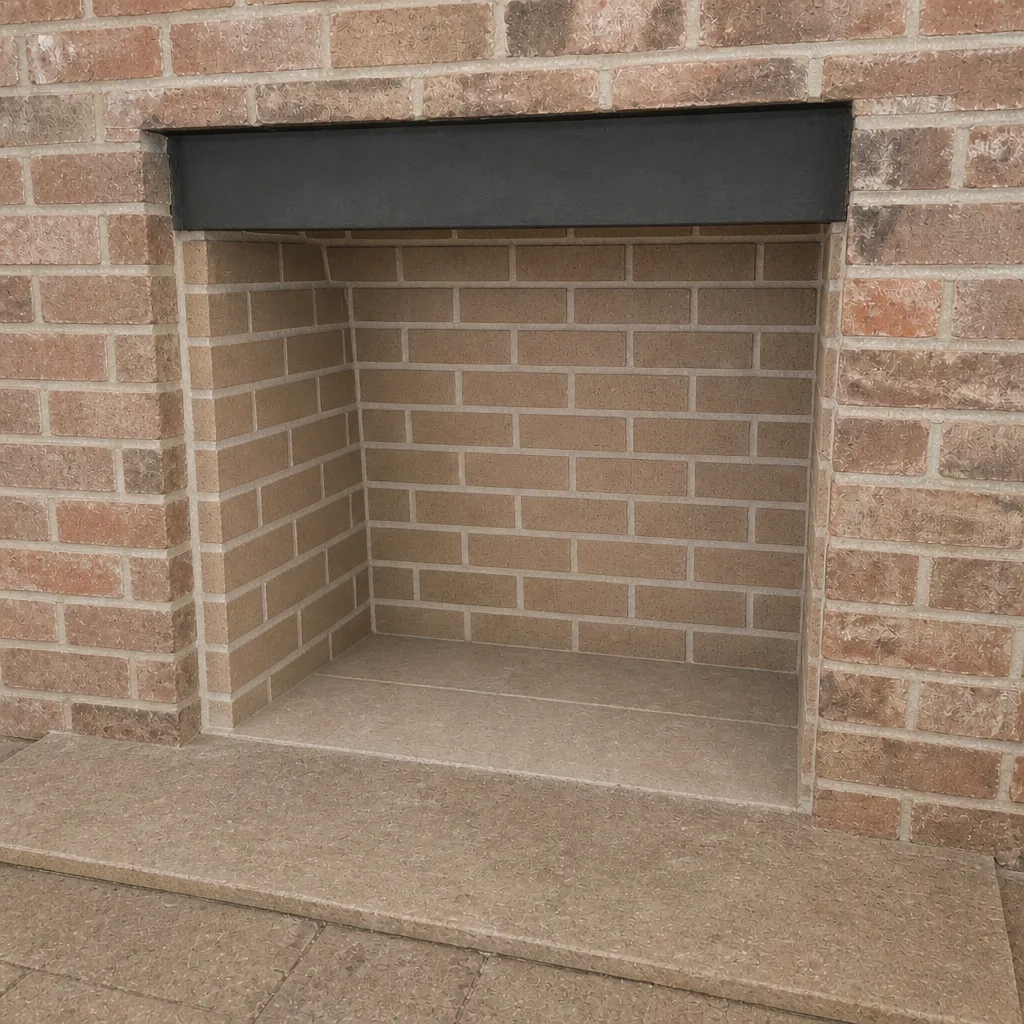
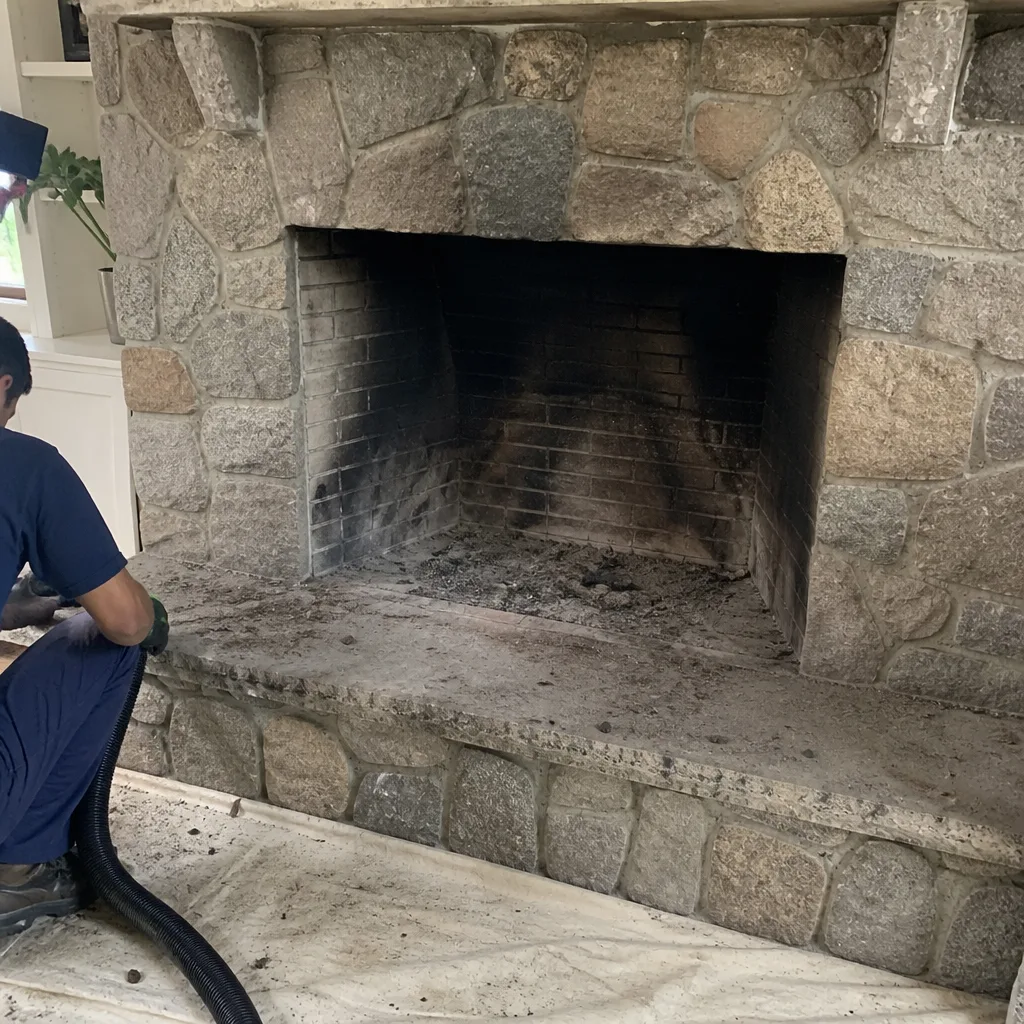
See the difference
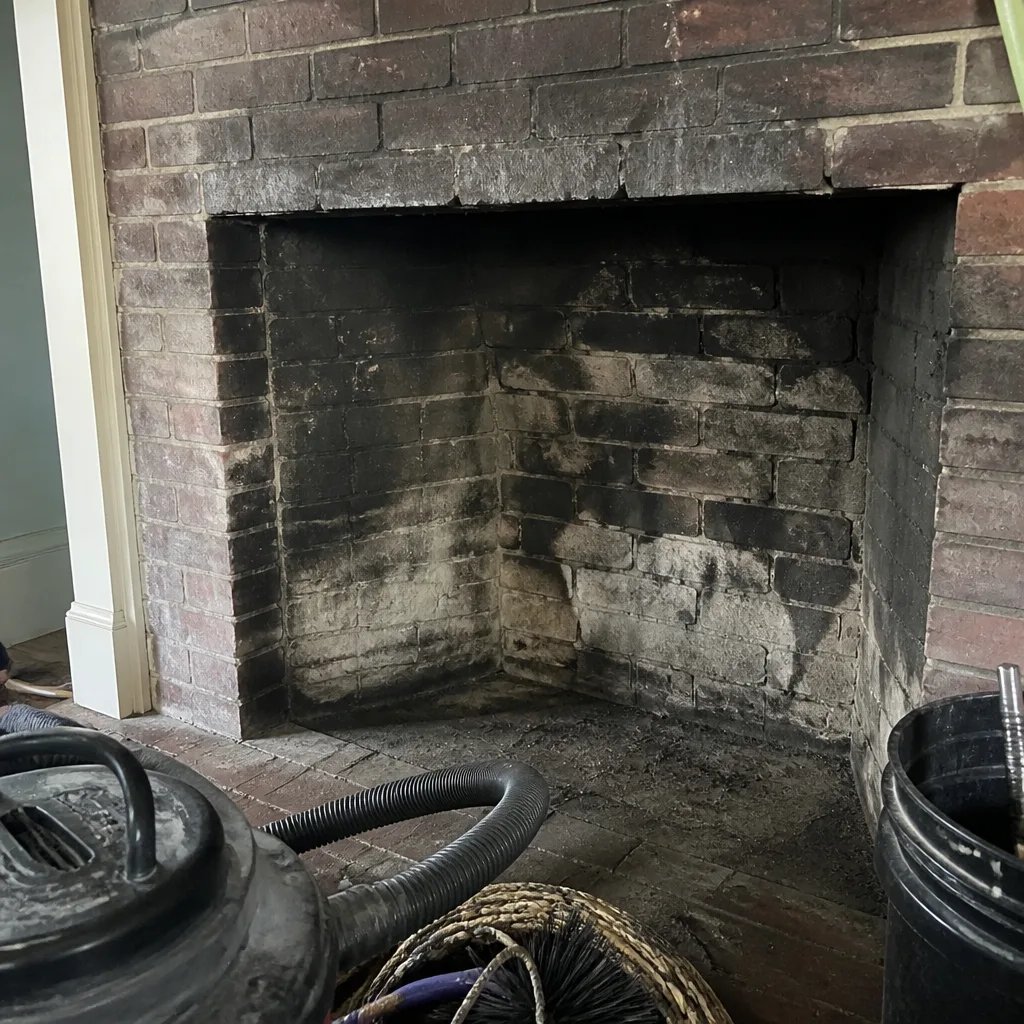 Before
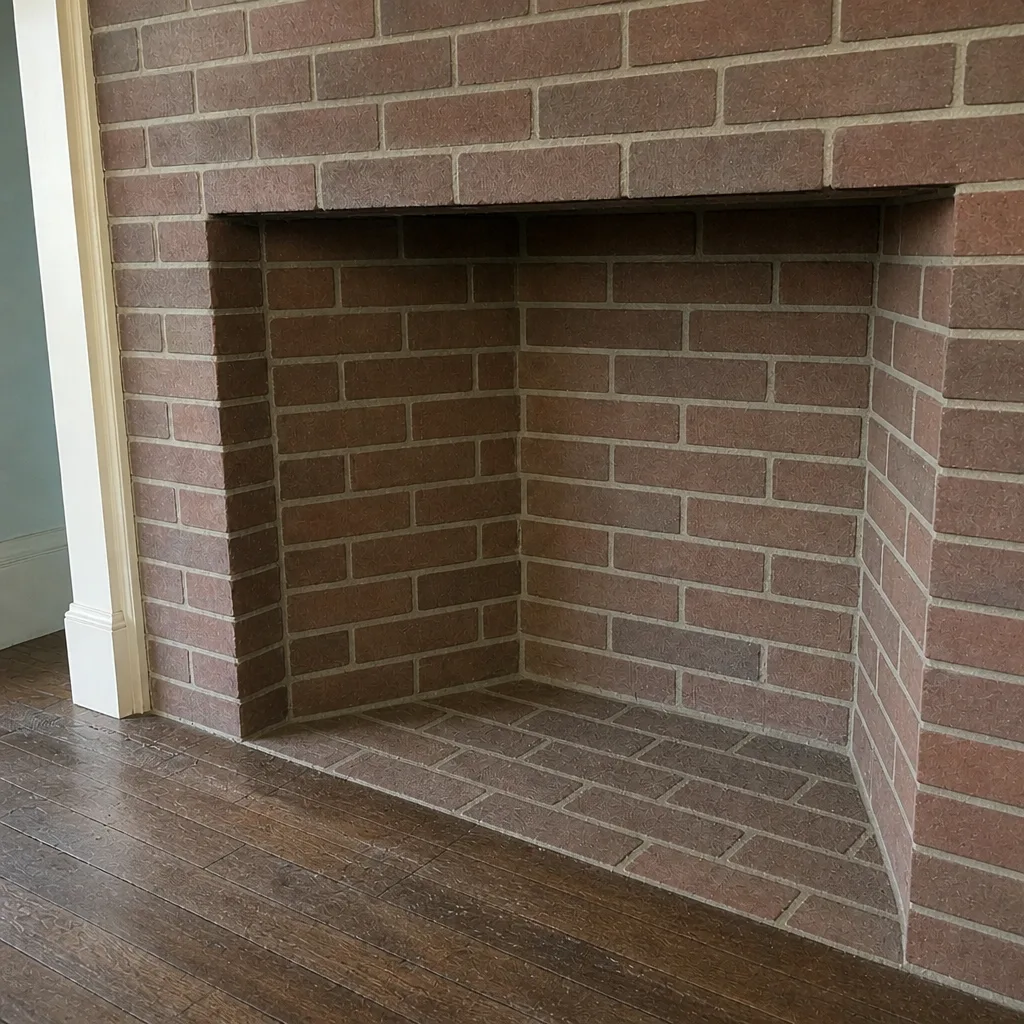 After
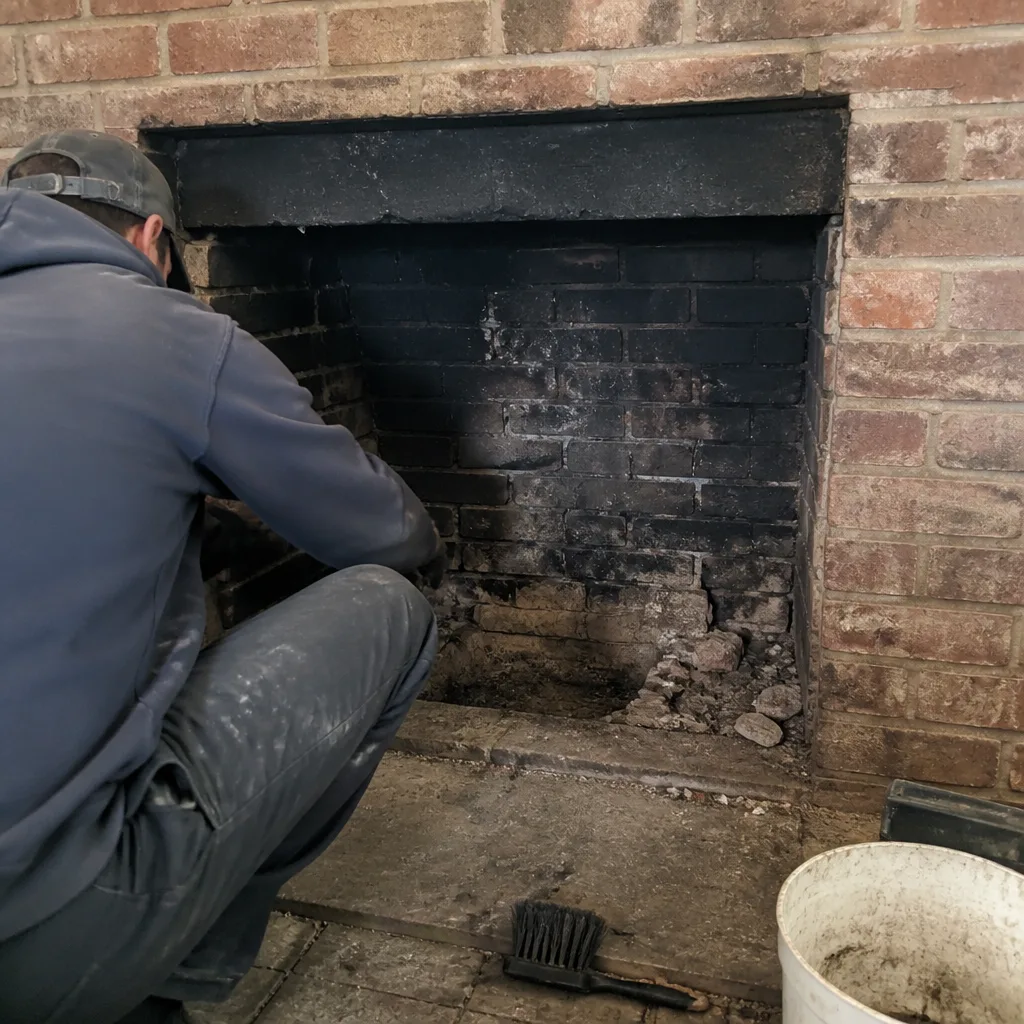 Before
 After
 Before
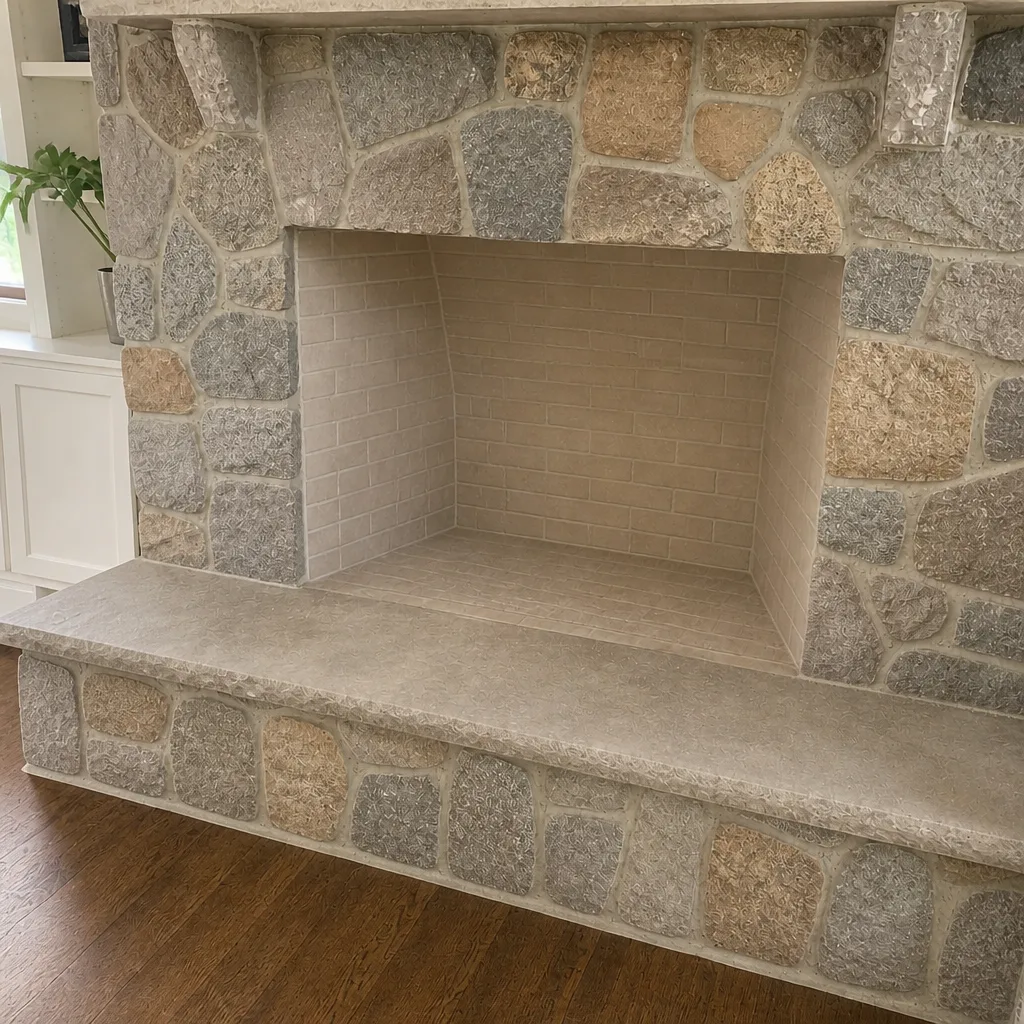 After
When to Call a Professional
Call a professional chimney specialist when you see signs of a problem you can’t verify from the ground, when your usage tier calls for a mid-season sweep, or when you need inspection documentation for a sale. Specific situations that warrant a call: smoke rolling back into the room, a damper that won’t operate, visible soot staining on walls, a cap that’s loose or missing, a chimney fire of any severity, or a fuel change in the appliance. For homes in Suffolk, our technicians have up to 12 years of experience and can assess the full system – sweep, inspection, and repair – in a single visit. If you’re unsure whether you need a sweep or an inspection, book the inspection first.
For an honest assessment, Chimney Sweep Suffolk offers free estimates in Suffolk – call (866) 361-9861.
Frequently Asked Questions
Annual sweeping is the baseline for most homes, but the right interval depends on usage: occasional users can often go two seasons between sweeps, regular weekend burners should sweep yearly, and homes using wood as a primary heat source need more than one cleaning per season. Creosote buildup is the deciding factor, and an inspection tells you where you stand. Call (866) 361-9861 for a free estimate.
A sweep removes creosote and debris from the flue; an inspection assesses the condition of the system – the flue, the firebox, the damper, the cap, and the masonry. They’re different services and they answer different questions. A clean flue can still have structural problems, which is why we recommend an inspection alongside the sweep. Call (866) 361-9861 to book both.
You need a Level 2 if there’s been a change to the system – a new appliance, a fuel switch, a liner installation – or after a chimney fire, a building fire, or a severe weather event. It’s also the standard for a home sale. If none of those apply and nothing has changed, a Level 1 may be sufficient. When in doubt, ask. Call (866) 361-9861 for a free estimate.
Creosote continues to accumulate, moisture continues to work on the masonry, and small problems get time to become larger ones. The costs of skipping aren’t always immediate, but they’re cumulative. There’s also a safety dimension – creosote is flammable, and a heavily loaded flue is a fire risk. It’s one of the few home maintenance items where the risk curve is genuinely steep. Call (866) 361-9861 to get on a schedule.
You can buy a camera, but interpreting what you see is the hard part. A trained inspector knows what normal looks like, what a marginally deteriorated joint looks like, and what needs attention now versus later. We’re happy to show you the footage from your own inspection – you should see what we see. That’s part of the service. Call (866) 361-9861 to book.
Yes. Manufactured logs burn differently from cordwood, and some formulations leave a deposit that’s harder to remove than standard creosote. Tell your inspector what you burn and they’ll adjust the interval and check for the specific deposit pattern. Don’t assume manufactured logs mean a lower-maintenance schedule – they mean a different one. Call (866) 361-9861 for a free estimate.
The Bottom Line
The annual sweep is the floor, not the ceiling. Build your schedule around three things: how much you burn, what you burn, and what your flue is made of. Occasional users can stretch; primary heat users can’t. Seasoned hardwood is the cleanest fuel; softwood and some manufactured logs move your interval up. In Suffolk, the calendar has two fixed points – September for the pre-season cap and crown check, March for the post-season moisture check after freeze-thaw. Get the inspection level right for your situation, keep the records, and you’ll never be surprised by what a sweep or a sale turns up. Chimney Sweep Suffolk covers sweep, inspection, and repair under one roof, with trade-grade materials like DuraFlex, HeatShield, Gelco, Olympia Chimney, Famco, and Copperfield – not generalist substitutes.
Call (866) 361-9861 for a free estimate. We answer 24/7. Fast dispatch from 7am to 7pm, Sunday through Friday.
Written by the team at Chimney Sweep Suffolk.