
Last updated November 15, 2026
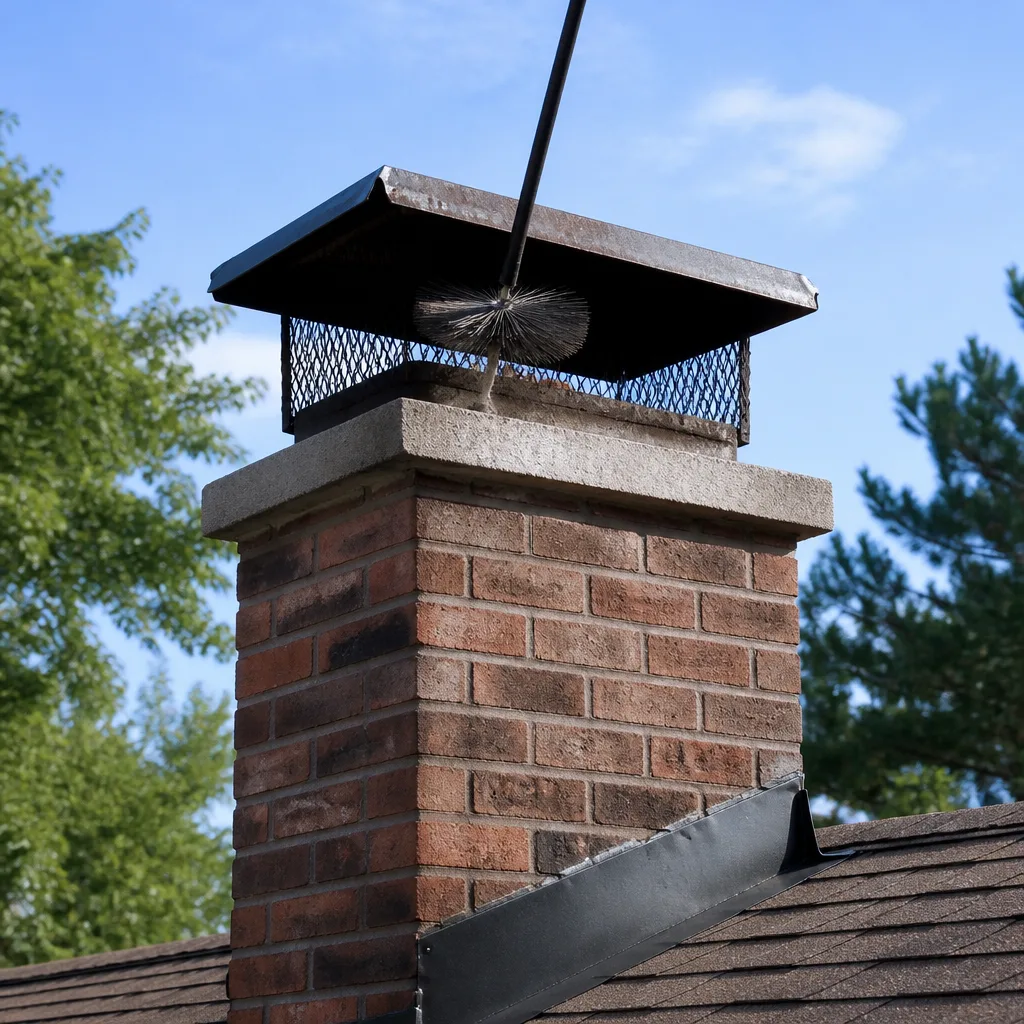 Sweep & inspection
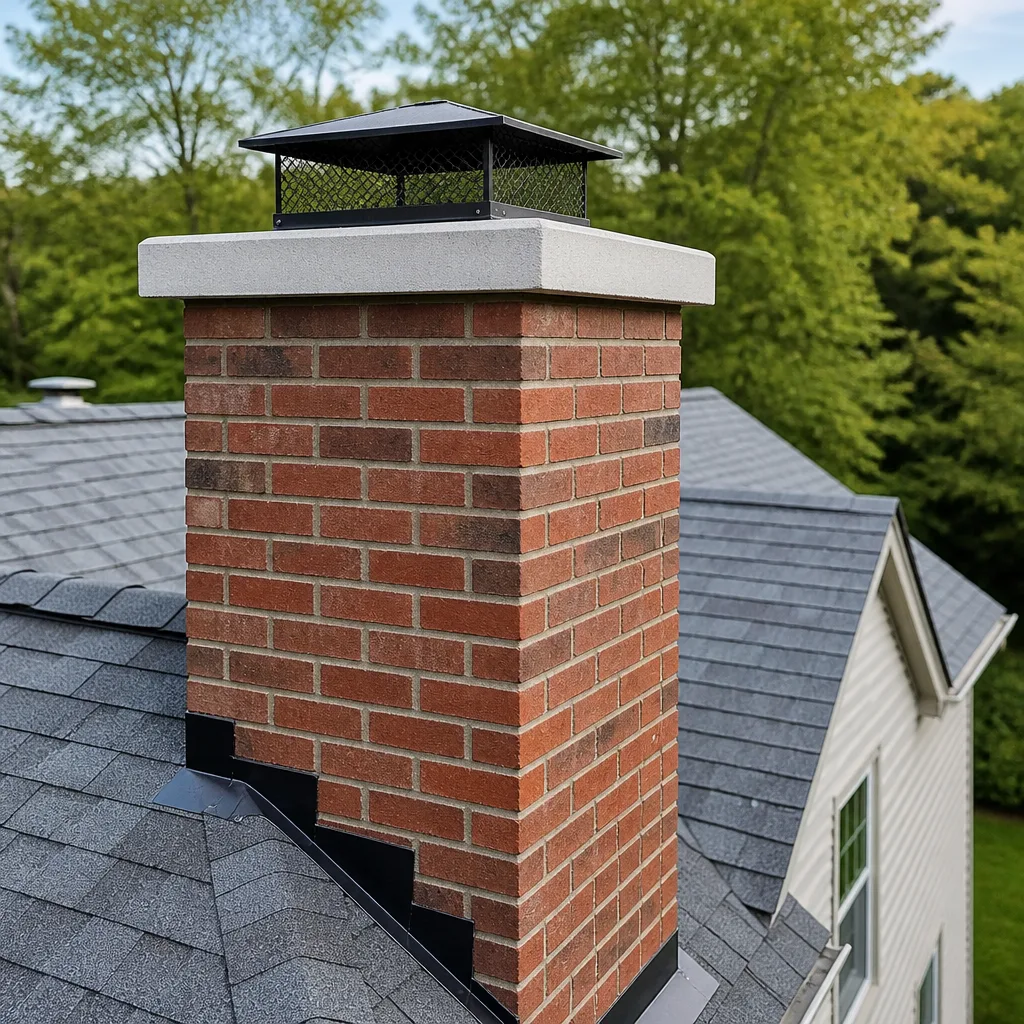 Caps & crowns
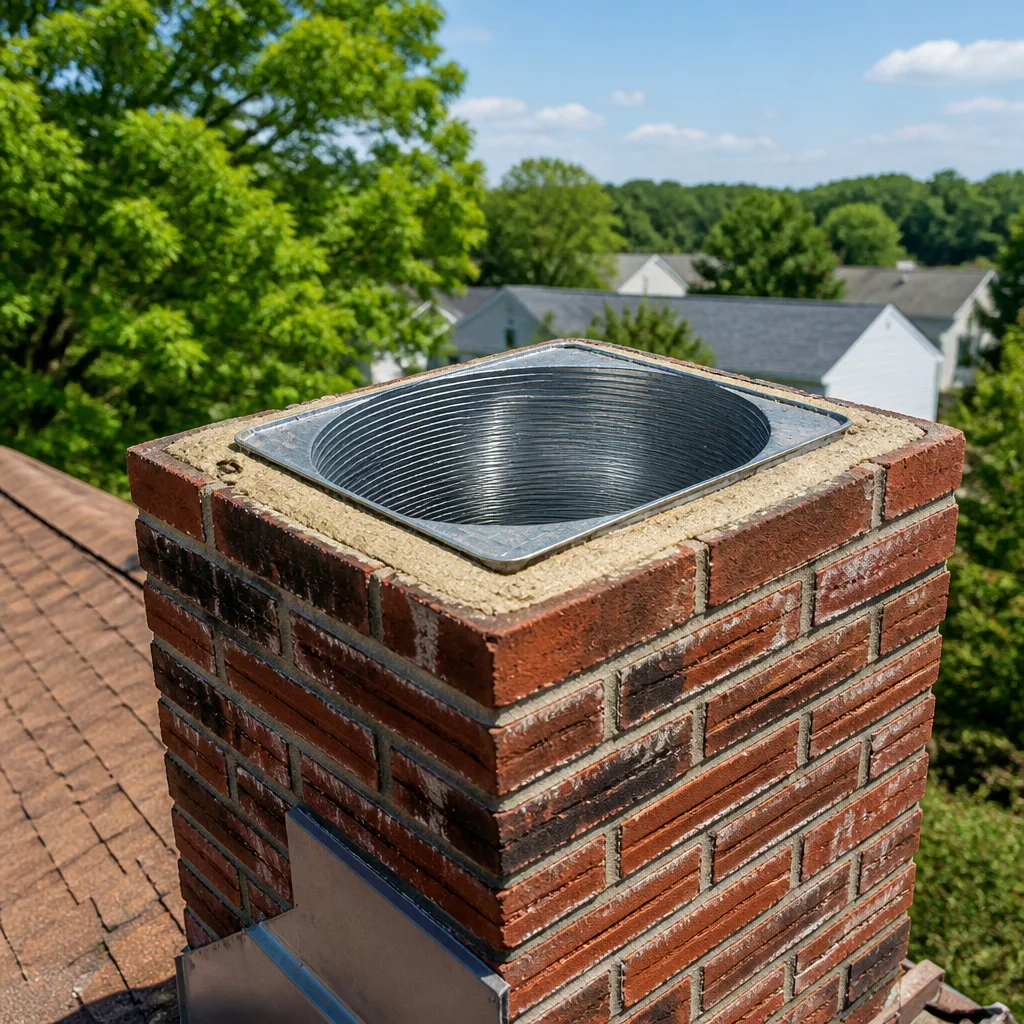 Flue relining
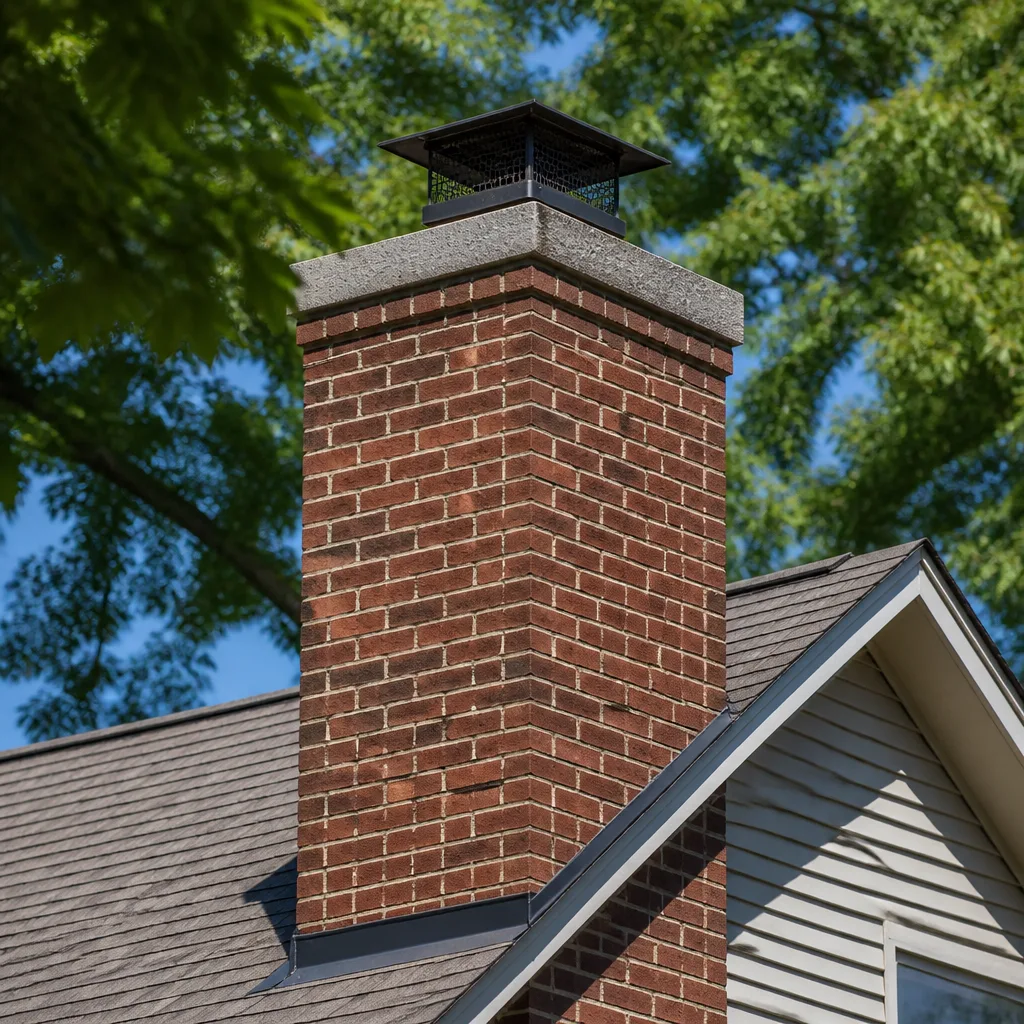 Masonry repair
 Gas fireplace service
Level 1 sweep and inspection to the NFPA 211 annual standard - flue, crown, cap, and flashing checked and photographed
Chimney sweep logs do not sweep chimneys. They loosen some creosote - which then falls where a brush and vacuum still have to collect it.
Chimney Sweep Troubleshooting in Suffolk: Common Problems and How to Fix Them
If your fireplace smokes back into the room, nine out of ten online guides will tell you to crack a window. That’s a workaround, not a diagnosis, and it masks the real problem until it gets expensive. In our experience, nearly every chimney complaint a Suffolk homeowner describes from the living room is a symptom of one of four root causes: draft failure, blockage, structural breach, or appliance mismatch. Each one looks similar from the couch, but each has a completely different fix. This guide maps the symptom you’re seeing to the cause actually driving it, so you know whether you’re dealing with a brush, a repair, or a liner replacement before anyone touches the chimney.
Quick Answer
Most chimney problems in Suffolk come down to one of four root causes: airflow and draft failure, a blockage from creosote or debris, a structural breach like a cracked flue or failed crown, or an appliance that doesn’t match the flue. Diagnose which category you’re in by watching smoke behavior, checking for water intrusion and odor, and getting a camera inspection. A sweep alone won’t fix a pressure problem, and a repair won’t fix a blockage, so the correct diagnosis comes first.
Styles & brands we work with
- Sweep & inspection
- Caps & crowns
- Flue relining
- Masonry repair
- Gas fireplace service
Table of Contents
- The Four Root Causes Behind Every Chimney Problem
- How to Read Your Smoke: A Diagnostic Guide
- Draft Failure and Negative Pressure in Tight Suffolk Homes
- Blockages, Creosote, and Pine Sap
- Structural Breaches: Cracks, Crowns, and Water
- Appliance Mismatch: The Right Stove for the Wrong Flue
- What You Can Monitor vs. What Needs a Pro
- Common Mistakes to Avoid
- When to Call a Professional
The Four Root Causes Behind Every Chimney Problem
Chimney troubleshooting gets a lot simpler once you stop thinking about symptoms and start thinking about causes. Every symptom we hear from Suffolk homeowners, from smoke rollback to a dead fire to a smell on a humid day, traces back to one of four categories. Knowing which one you’re facing tells you what kind of service call you actually need.
The four categories are:
- Draft failure. The chimney can’t pull air up and out. This is an airflow and pressure problem, not a cleaning problem.
- Blockage. Something is physically in the way, usually creosote buildup, a bird nest, or fallen debris.
- Structural breach. The flue, crown, or masonry has cracked or separated, letting smoke, water, or gases escape in the wrong direction.
- Appliance mismatch. The stove, insert, or fireplace isn’t sized or connected correctly for the flue it’s venting into.
Here’s why the distinction matters so much. A sweep fixes a blockage. It does nothing for draft failure. A liner replacement fixes a structural breach in the flue, but if the real problem is negative pressure from a tightly sealed house, you’ll spend money on a liner and still get smoke in the room. We’ve seen homeowners pay for a cleaning three times over for a problem that a pressure diagnosis would have identified once.
This is why we inspect before we recommend. Our three services, cleaning, inspection, and repair, exist as separate disciplines because each one answers a different question. A chimney sweep answers “is there buildup?” An inspection answers “is anything broken or mismatched?” And repair answers “how do we fix the cause?” Sorting your symptom into one of the four categories above is the first step, and the rest of this guide helps you do exactly that in a Suffolk context.
How to Read Your Smoke: A Diagnostic Guide
Smoke is the best diagnostic tool you have, and you can read it from the living room before anyone touches the chimney. The way smoke behaves tells you which of the four root causes you’re most likely facing. Pay attention to timing, volume, and direction, not just whether smoke is present.
Watch for these three patterns:
- Slow roll-back. Smoke curls lazily out of the firebox and into the room, usually building gradually as the fire grows. This points toward a draft or pressure problem. The fire is competing with something for air, often the house itself.
- Sharp backdraft. Smoke reverses suddenly and forcefully, often right when you open the door or on a cold start. A sharp backdraft usually means the flue is cold, blocked, or undersized, and the pressure is pushing air down the chimney instead of pulling it up.
- Intermittent puffing. The fire burns fine, then puffs smoke at irregular intervals. This often indicates a partial blockage, a flue that’s too short for the appliance, or wind effects at the chimney top.
Where the smoke goes matters too. Smoke that drifts toward one side of the room or only appears when a kitchen or bathroom exhaust fan runs is a classic negative pressure signature. Smoke that pours out the moment you light the fire, especially after a cold snap, usually points to a cold flue or a blockage. Smoke that smells sharp and looks denser than usual often means creosote is burning off or the flue is restricted.
One local wrinkle: in Suffolk, we see intermittent smoke patterns more often in homes near tree lines, where wind swirls over the roof and pushes air back down the flue. If your smoke puffing only happens on breezy days, note that for whoever inspects the chimney. It’s a useful clue that narrows the diagnosis before a ladder ever comes off the truck.
Draft Failure and Negative Pressure in Tight Suffolk Homes
Draft failure is the most misunderstood chimney problem, and it’s the one a sweep will never fix. If your house is tightly sealed, newly insulated, or recently weatherized, it may not have enough makeup air to feed the fire. The chimney pulls air up, but the house won’t let air in to replace it, so the fire starves and smoke comes back down. Opening a window works because it gives the fire the air it was missing. That’s the workaround every guide mentions, and it’s also why the problem keeps coming back.
Newer construction and recent energy upgrades across Suffolk make this more common than you’d expect. A house that was drafty twenty years ago may now be tight enough that a wood stove and a kitchen exhaust fan can’t run at the same time without reversing the flue. Symptom patterns to watch for:
- Smoke appears only when a bathroom or kitchen fan is running.
- The fire dies down when you close a door or window.
- Draft is fine on mild days and fails on cold ones.
- You smell smoke in upstairs rooms rather than at the firebox.
What actually fixes a negative-pressure problem isn’t a brush. It’s a proper flue assessment that confirms the chimney’s height, cross-sectional area, and appliance demand are matched to the house. Sometimes the solution is a taller liner to increase draft. Sometimes it’s an outside air kit that feeds the fire directly. Sometimes it’s correcting a flue that’s too large or too small for the insert. DuraFlex flexible liner systems can be used to correct a flue that’s oversized for its appliance, and Olympia Chimney components are often the right fit when the fix is a matched venting system. The point is that the diagnosis comes first. We don’t sell a fix we can’t justify with measurement, and that’s the standard we recommend you demand of anyone who troubleshoots a chimney in Suffolk.
Blockages, Creosote, and Pine Sap
Blockage is the most straightforward of the four categories to diagnose and fix. Something is in the flue, and the fire can’t push smoke past it. That something is usually creosote, animal nesting, or debris, though in Suffolk the local climate plays a role in how fast it builds up.
Suffolk’s high humidity works against any wood-burning homeowner. Damp wood burns cooler, cooler smoke condenses faster, and condensed smoke becomes creosote. Add in the pine and other resinous trees common around the region, and you get sap-heavy smoke that glazes the flue faster than dry hardwood does. If you’re burning pine or wood that hasn’t dried properly, expect buildup to happen sooner than the general rule of thumb suggests.
Blockage symptoms:
- Smoke rolls back almost immediately after lighting.
- The fire struggles to catch and burns low.
- You hear scratching or flapping from the chimney.
- A strong smoky or tar-like smell comes from the fireplace even when it’s not in use.
Here’s the thing most homeowners miss: creosote isn’t just a blockage. It’s a fuel. A heavy creosote load in the flue can ignite, and that’s a chimney fire. This is the reason we treat heavy buildup as a safety issue and not just a cleaning task. We don’t tell homeowners to scrub their own flues, either, because the brushes and techniques that clear glazed creosote are not the same as what a homeowner can reach, and the danger of a flue fire is not something to gamble on. When buildup reaches a certain stage, a professional sweep with camera inspection is the right call, and it’s the only way to know the flue is actually clear top to bottom. If you’re seeing any of the symptoms above, or you can’t remember the last cleaning, book a chimney sweep before you burn again.
Structural Breaches: Cracks, Crowns, and Water
Structural breaches are the quiet category. A draft problem shows up fast and a blockage makes smoke, but a cracked flue or a failed crown can go unnoticed until water damage or a home-sale inspection forces the issue. Suffolk’s older brick homes, many of them built with original clay liner, are especially prone to this failure mode because clay tile sections crack at the joints as they expand and contract through humid summers and cold snaps.
The parts most likely to fail are:
- Clay flue tiles. Tile joints crack under thermal cycling, letting smoke and carbon monoxide migrate into the masonry.
- The crown. The concrete cap on top of the chimney cracks and lets water run down the inside of the flue.
- Mortar joints. Moisture erodes the mortar inside the flue, which weakens the liner.
- The flashing. Where the chimney meets the roof, failed flashing sends water into the house.
A structural breach often looks like nothing from the living room, which is why we rely on a camera inspection to see it. When the issue is deteriorating mortar joints rather than a fully failed liner, HeatShield is the product we reach for. It restores the integrity of the flue from the inside without a full liner replacement, which makes it the right middle-tier answer for a lot of Suffolk homes that would otherwise be facing a bigger job. When the tile is cracked through or the liner is beyond repair, a full liner is the honest recommendation. We don’t push the bigger job when the smaller one is correct, and we don’t pretend a patch is a fix when it isn’t.
Water intrusion is the tell. Brown stains on the ceiling near the chimney, a musty smell from the firebox in summer, or crumbling mortar on the chimney exterior all suggest a breach that’s letting water in. Catching that early is the difference between a repair and a masonry project. This is the work that falls under chimney repair, and it’s why we keep inspection separate from cleaning: a sweep won’t tell you the crown is cracked, but an inspection will.
Appliance Mismatch: The Right Stove for the Wrong Flue
Appliance mismatch is the fourth category, and it’s the one most often created by well-intentioned upgrades. A new insert, wood stove, or fireplace installed without matching it to the flue’s size, height, and venting capacity can produce draft failure and backdraft symptoms that look exactly like a dirty chimney. Homeowners install a stove, the fire smokes, and they assume the chimney needs cleaning. Often it doesn’t. The appliance and the flue just don’t agree with each other.
Signs you’re dealing with a mismatch:
- The problem started after a new insert or stove was installed.
- Smoke appears only at higher burn rates or when you open the door to load.
- The old fireplace worked fine with the same chimney.
- The fire burns poorly regardless of how clean the flue is.
Some mismatches are fixable with a venting correction. A flue that’s too large for a modern insert, for example, cools the smoke too quickly and loses draft; a properly sized flexible liner brings the flue down to the right cross-section and restores performance. That’s where DuraFlex liner systems come in, and it’s also where we lean on Famco and Gelco components to match the appliance, not just the pipe. An offset or aged flue that a rigid liner can’t navigate is exactly the case a flexible system is designed for.
Other mismatches are a stop-and-rethink situation. A stove rated for one vent configuration in a flue built for something else is a safety problem, not just a performance one. We’d rather tell you the appliance needs to change than sell you a venting workaround that defeats the appliance’s design. If your smoke problems started after an upgrade, say so upfront. It saves everyone time and points the inspection directly at the likely cause.
What You Can Monitor vs. What Needs a Pro
Not every chimney issue requires an immediate call. Some conditions are fine to keep an eye on between regular service visits; others need a professional assessment right away. The difference usually comes down to whether the issue can get worse quietly and whether it carries a safety risk.
Safe to monitor between service calls:
- A mild smoky odor when the fireplace is unused. This often clears after a cleaning and usually isn’t urgent.
- Minor cosmetic wear on the chimney exterior, like a small section of spalling mortar.
- Occasional faint smoke on very cold starts, if it clears once the flue warms up.
Call for professional assessment promptly:
- Any visible crack in the firebox, flue, or chimney cap.
- Active water intrusion: stains spreading, drips, or a damp firebox.
- Persistent smoke rollback that doesn’t stop when the fire is established.
- A smell of smoke in rooms that shouldn’t have it, or signs of soot outside the firebox.
- Any suspicion of a chimney fire, including a sudden roaring sound, a dense smoke plume, or a popping noise from the flue.
The safety caveat is worth stating plainly. Carbon monoxide has no smell, and a breached flue can carry it into the house without any visible smoke. If you have a carbon monoxide alarm set off near the chimney, treat it as urgent and get out, then call for help. We don’t tell homeowners to inspect their own flues for cracks; the inspection takes a camera and the training to read what it shows. Our technicians have up to 12 years of experience reading exactly this kind of evidence, and the pattern they see most often is a homeowner who waited on a small leak until it became a big repair. Monitoring is for minor, cosmetic issues. Cracks, water, and smoke where it doesn’t belong are a call.
Common Mistakes to Avoid
- Treating smoke rollback as a draft-tuning issue. Homeowners reach for the damper or crack a window when smoke rolls back, but in a tight Suffolk house that masks negative pressure. The pressure problem remains and comes back the moment the window closes.
- Burning unseasoned wood to save money. Wet wood in Suffolk’s humid climate produces more creosote faster than dry wood. If you can hear moisture hiss from the ends, it isn’t ready to burn.
- Skipping an inspection because the sweep “looked fine.” A clean flue says nothing about cracked tiles, a failed crown, or a mismatched insert. Cleaning and inspection answer different questions; do both.
- Hiring a generalist for a chimney problem. A handyman with a brush can sweep a flue but can’t diagnose a structural breach or a pressure problem. We’re chimney specialists, not generalists, and the difference shows up in the diagnosis.
- Assuming a flame arrestor or cap solves water intrusion. A cap helps, but if the crown is cracked, water is already getting in from above. Fix the crown, then cap the flue.
- Ignoring a smell in summer. A musty or smoky smell from the firebox in warm, humid months often means moisture is entering. Left alone, it accelerates mortar erosion.
- Trusting any contractor who quotes a liner before looking. If someone recommends a full liner without a camera inspection and a clear explanation of what the camera found, get a second opinion. We show the evidence; you should expect the same from anyone.
When to Call a Professional
Call a professional if you see a visible crack anywhere in the chimney or firebox, if smoke repeatedly enters the room, if water is getting in, or if a carbon monoxide alarm has gone off near the chimney. Call if your smoke problems started after a new stove or insert was installed, or if you can’t remember the last time the flue was cleaned and you’re burning regularly. Call if a home-sale inspection flagged the chimney, too. These are not the kinds of problems to troubleshoot from a ladder with a flashlight. Chimney Sweep Suffolk offers free estimates in Suffolk. Call (866) 361-9861. We answer 24/7. Fast dispatch from 7am to 7pm, Sunday through Friday. Or learn more about how we work on the Chimney Sweep Suffolk main page.
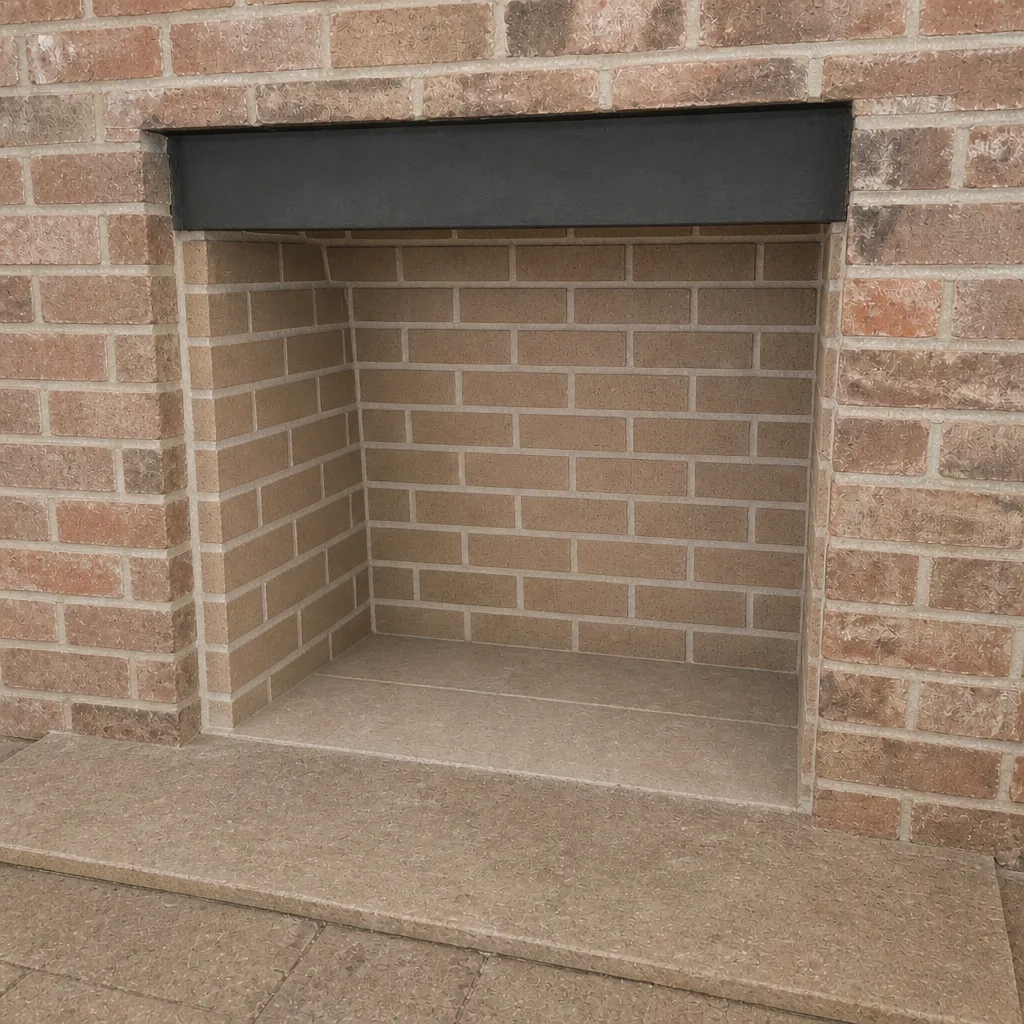
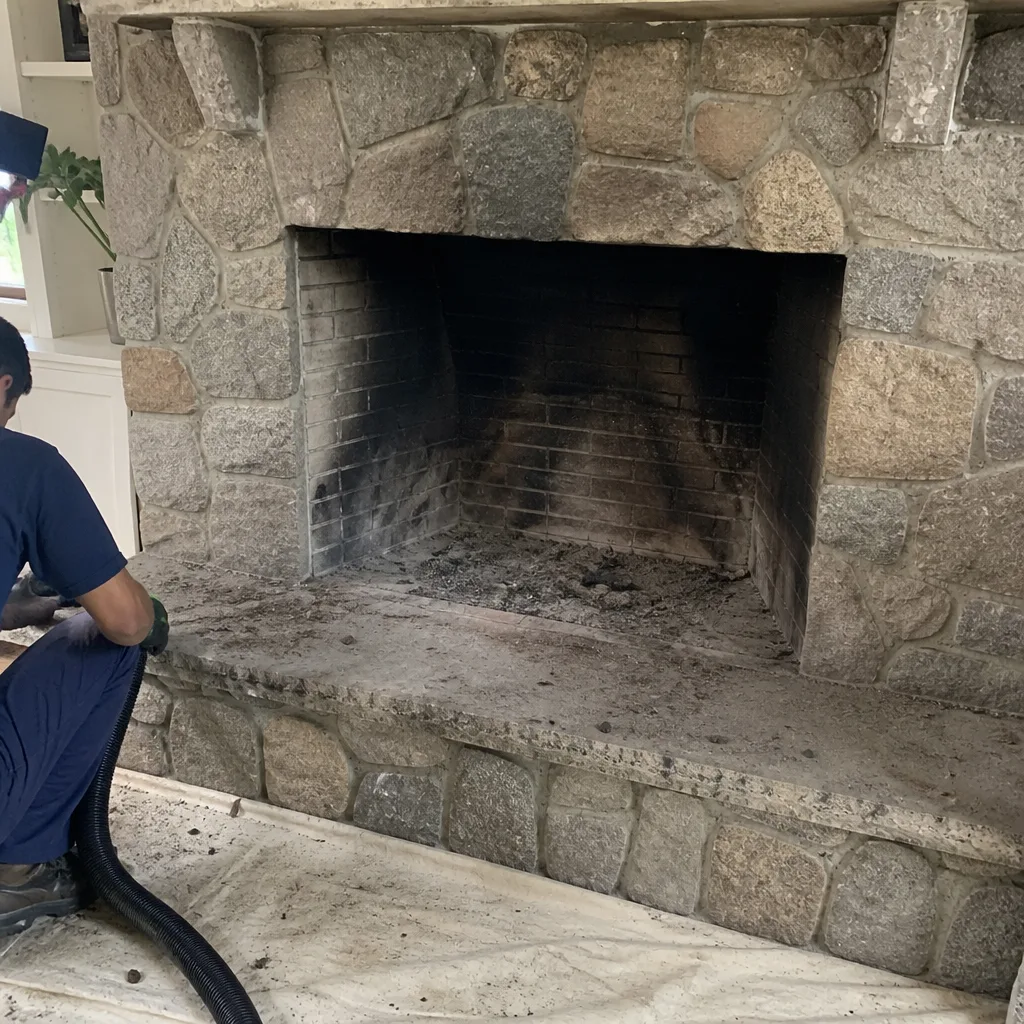
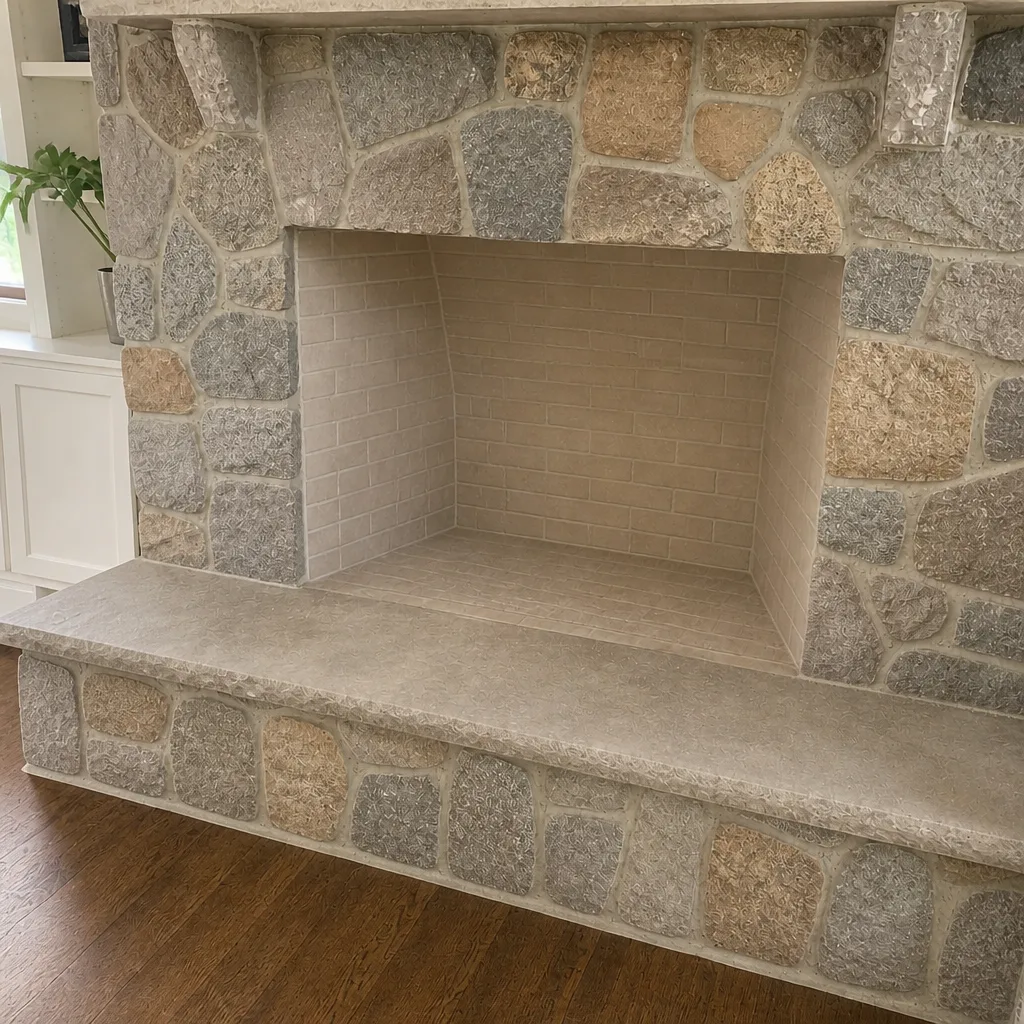
See the difference
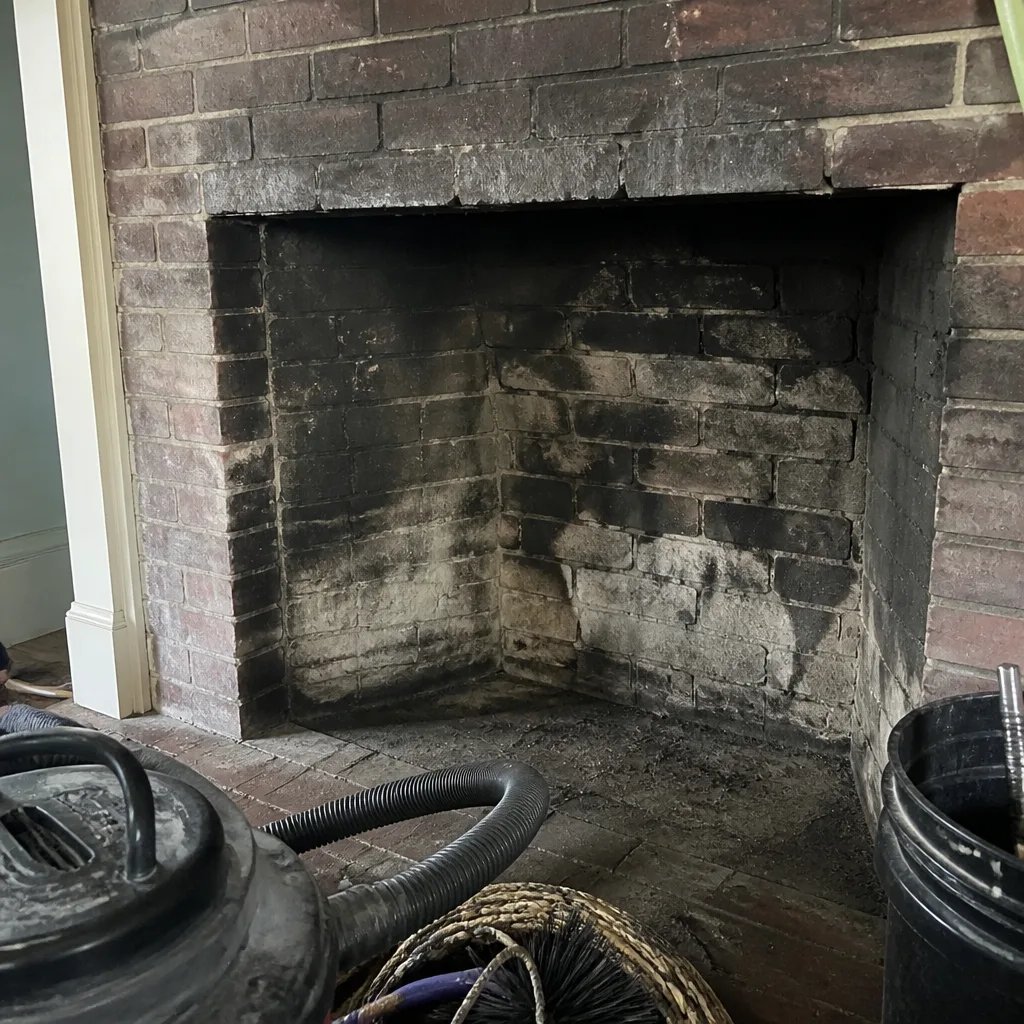 Before
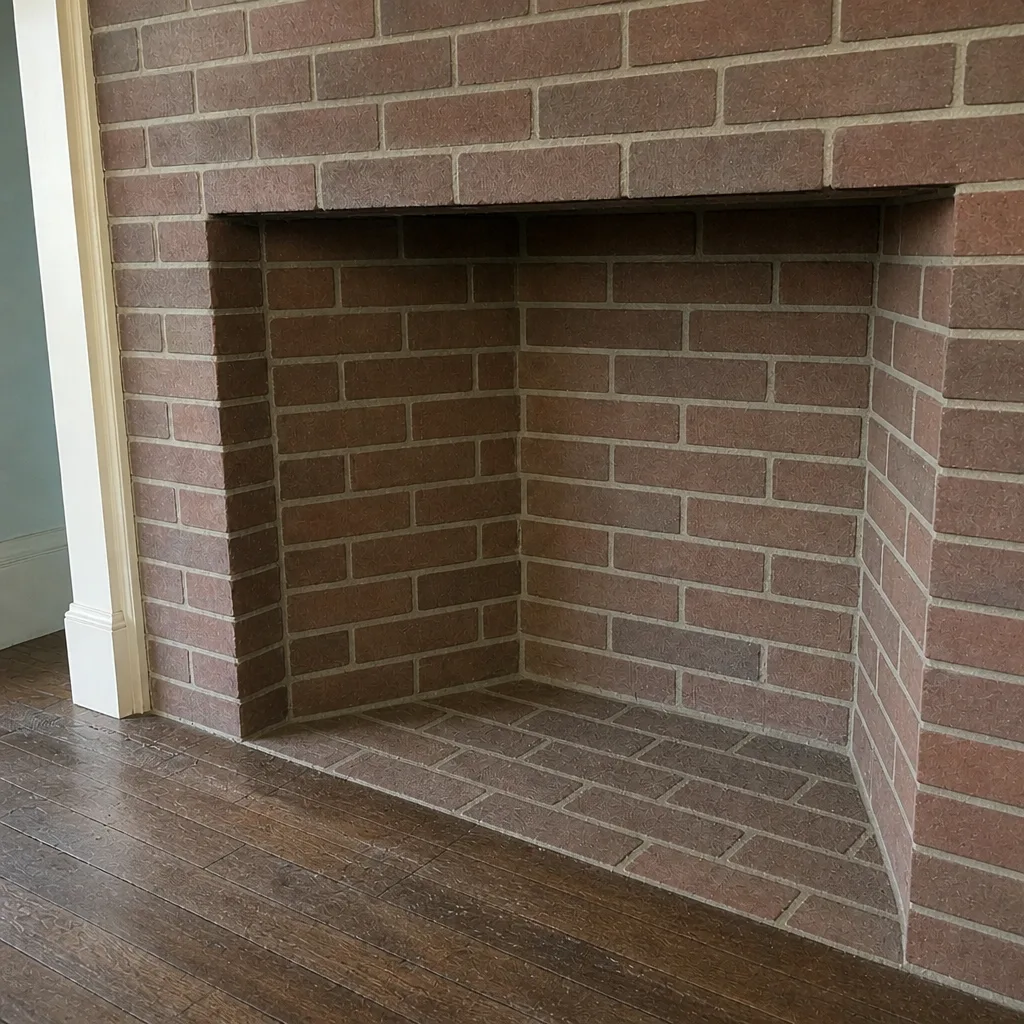 After
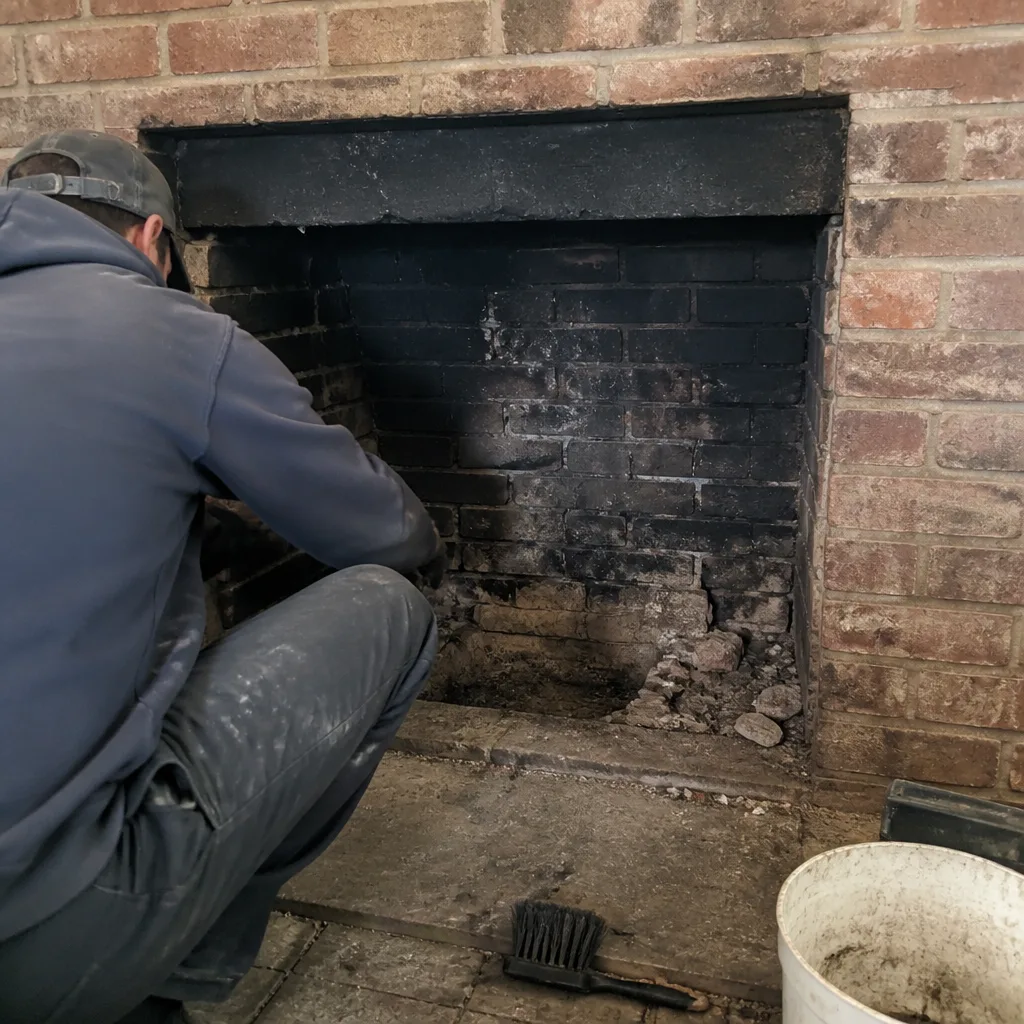 Before
 After
 Before
 After
Frequently Asked Questions
The most common are creosote buildup accelerated by humid air and resinous wood, draft failure in tightly sealed homes, cracked clay liners in older brick houses, and water intrusion from failed crowns and flashing. Each falls into one of the four root causes above, and the fix depends entirely on which one you’re facing. Call (866) 361-9861 for an assessment.
If the flue is truly clean, the cause is almost always draft failure or appliance mismatch, not blockage. A tight house can starve the fire of makeup air, or a flue can be the wrong size for the stove venting into it. Neither is fixed by cleaning. A camera inspection and a pressure check identify which it is. Call (866) 361-9861 to book one.
Once a year for most homes with an active fireplace, and more often if you burn frequently or burn pine and other resinous wood. The local humidity and wood choice drive buildup faster than the national rule of thumb assumes. A yearly sweep plus inspection is the safest baseline. Call (866) 361-9861 for an exact quote; estimates are free.
Only a camera inspection can answer that. Deteriorating mortar joints can often be restored with HeatShield rather than a full liner, while a cracked-through tile or a failed liner needs replacement. We don’t recommend either without showing you what the camera found. Call (866) 361-9861 to schedule the inspection.
Opening a window confirms you have a pressure problem, but it doesn’t fix it. The underlying cause, usually negative pressure from a tightly sealed house or an undersized flue, remains. A proper diagnosis identifies the fix, which might be a liner correction or an outside air kit. Call (866) 361-9861 to talk it through.
Yes. High humidity slows wood drying and speeds creosote formation when damp wood is burned, and it drives moisture into masonry, eroding mortar joints and cracking crowns over time. It also makes summer odors more noticeable. Keeping the flue inspected and dry is the best defense. Call (866) 361-9861 for a free estimate on an inspection.
The Bottom Line
Every chimney complaint a Suffolk homeowner describes from the living room comes down to one of four root causes: draft failure, blockage, structural breach, or appliance mismatch. The key to troubleshooting is identifying which category you’re in before anyone touches the chimney, because each one has a different fix. Smoke behavior tells you a lot, and the difference between a mild odor you can monitor and a visible crack you can’t is the difference between routine maintenance and a safety issue. We inspect before we recommend, and we show the evidence. If you’re ready to know what’s actually going on with your chimney, call (866) 361-9861 for a free estimate. Suffolk homeowners can reach us today.
Written by the team at Chimney Sweep Suffolk.